

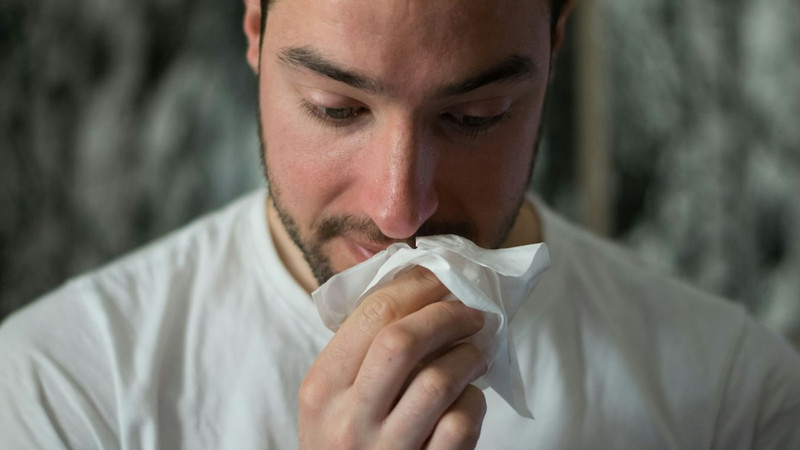
That Cold You Recovered From May Have Left a Mark on Your Immune System
Getting over a virus is just the beginning — researchers are learning that some infections may quietly reshape your immune defenses long after you feel fine.
You felt terrible for a week, then you got better. As far as you were concerned, that was the end of the story. But scientists are uncovering evidence that certain viral infections may leave behind changes to your immune system that linger — sometimes for months, sometimes longer. Here is what the emerging research suggests and what you can do about it.
The Immune System Has a Memory — and Not Always a Good One
Your immune system is designed to remember past threats. That is how vaccines work, and it is part of why you don't get the same cold twice from the exact same virus. But memory is a double-edged sword.
Research published in journals including Nature Immunology and Cell has explored a phenomenon called "immune imprinting" or "original antigenic sin" — the idea that early viral exposures can shape, and sometimes limit, how your immune system responds to new but related threats. In some cases, the immune system may keep defaulting to its old response rather than building a better, updated one.
What Researchers Are Finding About Lasting Immune Changes
Beyond imprinting, some studies have found that viral infections can alter key immune cells in ways that persist well past the acute illness. Research on severe viral infections, including COVID-19, has found evidence of prolonged changes in T cells and B cells — the immune system's frontline fighters — in some patients, even those who experienced mild cases.
A study published in Nature Immunology found that in some people recovering from COVID-19, certain immune cell populations showed signs of exhaustion or altered function weeks to months after infection. It is important to note that most of this research has focused on more severe or novel infections, and scientists are still working to understand which viruses cause the most lasting effects and in whom.
Research published in the Journal of Experimental Medicine has also pointed to the role of inflammation in this process. Some viral infections can trigger a prolonged low-grade inflammatory state, which may quietly affect how well the immune system handles future challenges. This area of research is active and evolving, and many questions remain unanswered.
This Does Not Mean Every Sniffle Leaves Permanent Damage
It is worth being clear: most routine viral infections, like a common cold, do not appear to cause dramatic or permanent immune harm in otherwise healthy people. The human immune system is remarkably resilient, and for most adults it bounces back well.
The more concerning findings are concentrated in the context of severe infections, infections in people with underlying health conditions, or cases where someone has had repeated infections over a short period. Researchers are still identifying who is most vulnerable to lasting immune changes and why.
Why This Matters More as You Get Older
The immune system naturally changes with age — a process scientists call immunosenescence. As you get older, the immune system becomes somewhat less flexible and efficient. This means that any disruption caused by a viral infection may take longer to resolve, and the immune system may have a harder time recalibrating afterward.
For adults over 40 and especially over 60, this makes supporting immune health between infections just as important as managing illness when it strikes. The good news is that many of the strategies that support a resilient immune system are well within reach.
What the Evidence Supports for Keeping Your Immune System Strong
While no single habit can guarantee perfect immune function, a consistent body of research points to several lifestyle factors that help the immune system stay balanced and responsive:
- Sleep: Studies consistently show that poor or short sleep impairs immune response. Adults generally need seven to nine hours a night. Research from institutions including Carnegie Mellon University has found that people who sleep less than six hours are more susceptible to viral infections.
- Physical activity: Regular moderate exercise — think brisk walks, cycling, or swimming — is linked to better immune surveillance and lower levels of chronic inflammation. Extreme overtraining, on the other hand, can temporarily suppress immune function.
- Nutrition: Vitamins D and C, zinc, and omega-3 fatty acids have all been studied for their roles in immune health. Deficiency in vitamin D in particular has been associated with increased susceptibility to respiratory infections. Talk to your doctor before starting any supplement regimen.
- Stress management: Chronic psychological stress is one of the most well-documented suppressors of immune function. Practices like mindfulness, time in nature, and social connection have research backing for reducing stress hormones that can dampen immune response.
- Staying current on vaccines: Vaccines work precisely because they help your immune system build a targeted, organized memory response — which may be especially important if natural infection leaves some forms of immune memory less than optimal.
Talk to Your Doctor If Something Feels Off After an Illness
If you have recovered from a viral infection but still feel run down, get sick more often than usual, or have symptoms you cannot explain, those are worth discussing with your doctor. Persistent fatigue, frequent infections, or slow recovery times after illness can sometimes signal that something in your immune system deserves a closer look.
Do not try to self-diagnose or self-treat based on early research findings. The science in this area is genuinely exciting but still developing. Your doctor can help you figure out whether any testing or specific steps make sense for your situation.
The Bottom Line
Recovering from a viral infection is a real accomplishment — but emerging research suggests the story does not always end when your symptoms do. Some infections may leave behind subtle changes in how your immune system works, particularly after severe illness or in older adults. The most practical response is not alarm, but attention: prioritize sleep, stay active, eat well, manage stress, and keep your vaccinations up to date. And if something feels off after a major illness, do not brush it off — talk to your doctor.
