

Not All Keto Diets Are Equal: The Fat You Choose May Fuel Inflammation
Going keto doesn't automatically mean going healthy — the type of fat you eat may make all the difference.
You went keto to feel better, lose weight, and protect your health. But what if the version of keto you're eating is quietly working against you? Emerging research suggests the type of fat you load your plate with may determine whether your ketogenic diet calms inflammation — or stokes it.
What the Research Found
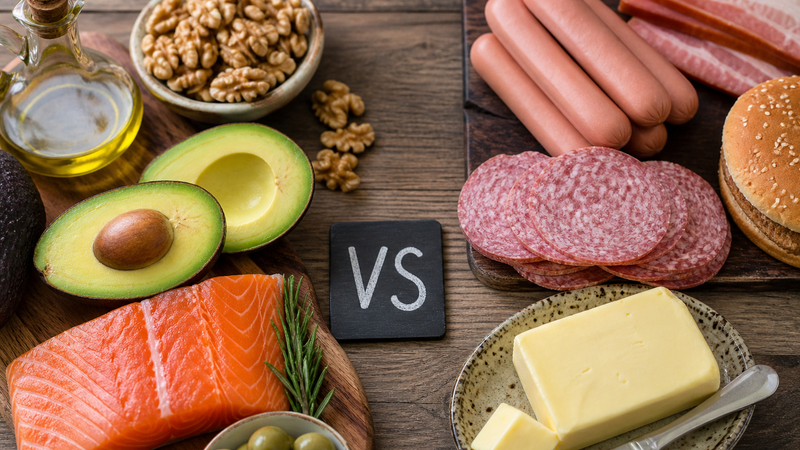
A growing body of research published in journals including Frontiers in Nutrition has examined how different ketogenic diets affect inflammatory markers in the body. The key finding: ketogenic diets built around saturated fats — think butter, processed meats, and lard — may raise levels of pro-inflammatory compounds, while those centered on unsaturated fats — think olive oil, avocados, and fatty fish — may have the opposite effect.
It's important to note that much of this research includes relatively small human studies and animal models. Scientists are careful to say the evidence is promising but not yet definitive. Still, the pattern across studies is consistent enough to be worth paying attention to.
Why Does Fat Type Matter?
All fats are not the same at the cellular level. Saturated fats, found mainly in animal products and tropical oils, have been linked in multiple studies to activation of inflammatory pathways in the body. Unsaturated fats — especially omega-3 fatty acids found in fish, walnuts, and flaxseed — have been associated with anti-inflammatory effects.
When a diet is 70 to 80 percent fat by calories, as a classic ketogenic diet is, the type of fat you're eating matters far more than it would on a standard diet. You're essentially flooding your cells with whatever fat you're choosing most.
What Is Inflammation, and Why Should You Care?
Chronic, low-grade inflammation is not the kind you feel as obvious pain or swelling. It's a slow-burning process that researchers have linked to a long list of serious conditions, including heart disease, type 2 diabetes, and certain cancers.
Keeping inflammation in check is one of the central goals of healthy aging. That's why the composition of your diet — not just the macronutrient breakdown — matters so much over time.
The Keto Diets That May Work in Your Favor
Researchers have pointed to what some call a "Mediterranean-style" ketogenic diet as a potentially better model. This version keeps carbohydrates low but shifts the fat sources toward olive oil, fatty fish like salmon and sardines, nuts, seeds, and avocados.
These foods supply monounsaturated and polyunsaturated fats, including anti-inflammatory omega-3s. Early studies suggest this approach may lower inflammatory markers rather than raise them, though larger long-term trials are still needed to confirm those benefits.
What This Means If You're Following Keto
If you're currently on a ketogenic diet or considering one, this research doesn't mean you need to abandon your approach. It does suggest that where your fat comes from deserves just as much attention as how much fat you're eating.
A few practical shifts worth discussing with your doctor or a registered dietitian:
- Use olive oil as your primary cooking fat instead of butter or lard
- Eat fatty fish like salmon, mackerel, or sardines two or more times a week
- Add avocado, walnuts, and flaxseed to your regular rotation
- Limit processed meats like bacon and deli meats, which are high in saturated fat and sodium
- Choose grass-fed or leaner cuts if you eat red meat regularly
These are general healthy-eating principles, but they carry extra weight on a diet where fat is the dominant fuel source.
A Note on Limitations
The science on ketogenic diets and inflammation is still evolving. Many existing studies are small, short in duration, or conducted in specific populations such as people with epilepsy or metabolic disease. Results may not apply equally to everyone. Individual responses to diet vary based on genetics, gut microbiome, activity level, and overall health status.
Before making significant changes to your diet — especially if you have a chronic health condition or take medication — talk with your doctor or a qualified nutrition professional.
The Bottom Line
Going keto is not a one-size-fits-all move. The type of fat you build your diet around may be the difference between a diet that reduces inflammation and one that quietly fuels it. If you're eating high-fat, make sure the fat is working for you — load up on olive oil, fatty fish, and avocados, and ease up on the processed meats and saturated fats. Your body's inflammatory response may thank you for it.
