

More Fiber, Fewer Problems: What Your Body Does in Days
Most Americans fall far short of their daily fiber needs — and their bodies are paying the price. Here's what the science says happens when you start closing that gap.
You've probably heard that fiber is good for you. But do you know what it actually does inside your body — and how fast it starts working? The answer might surprise you. Changes can begin within days, not months.
Most of Us Are Falling Way Short
The Dietary Guidelines for Americans recommend 25 grams of fiber per day for women and 38 grams for men. According to the U.S. Food and Drug Administration, most Americans get only about 15 grams a day — roughly half of what their bodies need.
That gap matters. Fiber isn't just about staying regular. It plays a role in blood sugar control, heart health, weight management, and the health of the trillions of bacteria living in your gut.
What Happens in the First Few Days
Within the first couple of days of increasing fiber intake, most people notice changes in digestion. Things start moving more smoothly — literally. Dietary fiber adds bulk to stool and helps it move through the intestines faster, which can reduce constipation and bloating.
One word of caution: going from very low to very high fiber too quickly can cause temporary gas and discomfort. Nutrition experts generally recommend adding fiber gradually and drinking more water alongside it to give your gut time to adjust.
Your Blood Sugar Responds Quickly, Too
Soluble fiber — the kind found in oats, beans, apples, and flaxseeds — dissolves in water and forms a gel-like substance in your digestive tract. That gel slows the absorption of sugar into your bloodstream, which helps blunt the spikes that happen after meals.
Research published in the American Journal of Clinical Nutrition has linked higher fiber intake to better blood sugar control and a lower risk of type 2 diabetes over time. This is especially relevant for adults over 40, when insulin sensitivity often begins to decline.
Your Gut Bacteria Get a Boost
Here's where it gets fascinating. Much of the fiber you eat isn't digested by your body — it's fermented by bacteria in your colon. That fermentation process feeds the beneficial bacteria that make up your gut microbiome.
A healthier microbiome is linked to better immune function, reduced inflammation, and even improved mood, according to research reviewed by the Harvard T.H. Chan School of Public Health. Scientists are still working out exactly how these connections work, but the evidence that fiber feeds a healthier gut is well established.
Longer-Term Benefits Are Even More Impressive
Over weeks and months, consistently higher fiber intake is associated with meaningful health gains. The American Heart Association notes that soluble fiber can help lower LDL cholesterol — often called "bad" cholesterol — by binding to it in the digestive tract and helping carry it out of the body.
Large observational studies have also linked higher fiber diets to lower rates of cardiovascular disease, colorectal cancer, and overall mortality. These are population-level associations, not guarantees for any individual — but they paint a consistent picture across decades of research.
Simple Ways to Get More Fiber Starting Today
You don't need a dramatic diet overhaul. Small swaps add up fast.
- Swap white bread for 100% whole grain bread
- Add a handful of berries or a sliced pear to breakfast
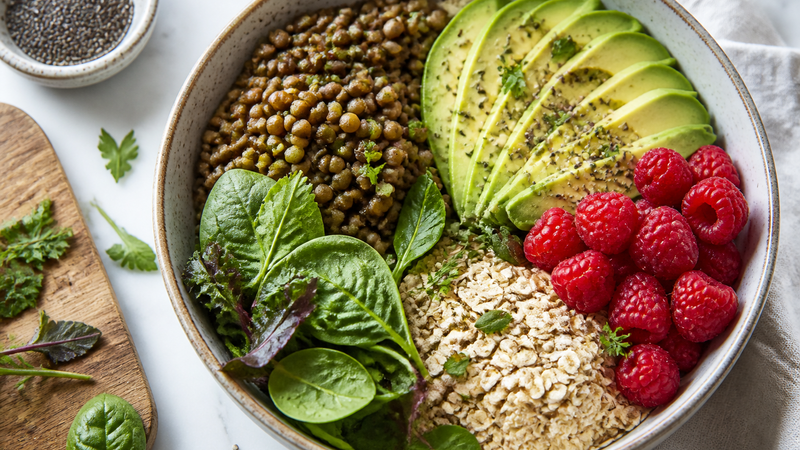
- Stir canned beans or lentils into soups, salads, or pasta
- Snack on raw vegetables with hummus instead of crackers
- Choose oatmeal over sugary cereal in the morning
- Leave the skin on fruits and vegetables when possible
Aim to add one or two of these at a time rather than changing everything at once. And remember to drink plenty of water — fiber needs fluid to do its job properly.
The Bottom Line
Fiber is one of the most well-studied, consistently beneficial things you can add to your diet — and your body starts responding faster than you might expect. If you're nowhere near 25 to 38 grams a day, even modest improvements can make a real difference. Start with one extra serving of fruits, vegetables, or legumes today, and build from there. If you have digestive conditions or specific health concerns, talk with your doctor before making major changes to your diet.
