

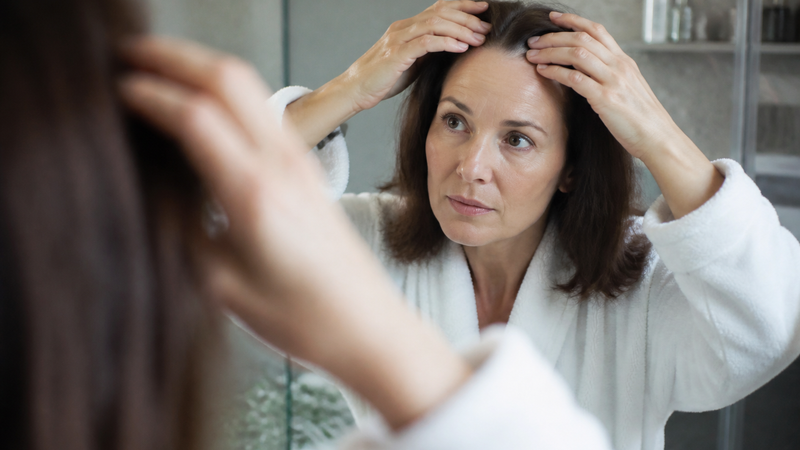
GLP-1 Drugs and Hair Loss: What Women Need to Know Now
GLP-1 medications are changing lives — but dermatologists are now flagging a side effect that many women weren't warned about.
You've heard the headlines about GLP-1 drugs like semaglutide (Ozempic, Wegovy) and tirzepatide (Mounjaro, Zepbound) helping people lose significant weight. What you may not have heard is what some women are noticing months into treatment: more hair in the shower drain, scalp tenderness, and changes to their nails. Here's what the latest data actually shows — and what you can do about it.
The Hair Loss Connection
Hair shedding after rapid weight loss is not new to medicine. Doctors have long known that significant calorie restriction or fast weight loss can trigger a condition called telogen effluvium — a temporary form of hair loss in which more hairs than usual shift into the resting (shedding) phase of the growth cycle.
The stress that rapid weight loss places on the body appears to be the main driver, rather than the GLP-1 drug itself. This distinction matters, but it doesn't make the experience any less real or frustrating for the women going through it.
Reports submitted to the FDA's Adverse Event Reporting System (FAERS) have included hair loss among complaints associated with semaglutide and tirzepatide use. Dermatologists writing in the Journal of the American Academy of Dermatology have also begun publishing case reports and analyses noting an uptick in patients on GLP-1 drugs presenting with diffuse hair thinning. Because FAERS data captures voluntary reports rather than confirmed cause-and-effect relationships, it is not proof that the drug directly causes the hair loss — but it is a signal worth tracking.
What About Scalp Inflammation?
Some women on GLP-1 medications have reported scalp sensitivity, itching, and tenderness alongside hair shedding. Dermatologists have noted that telogen effluvium itself can be associated with scalp discomfort. Additionally, rapid nutritional changes during calorie restriction — particularly lower intake of protein, iron, zinc, and biotin — may affect scalp health.
There is not yet robust published clinical trial data specifically isolating scalp inflammation as a direct drug effect of GLP-1 medications. Most of what is known comes from case reports and adverse event databases, which are early signals rather than definitive conclusions. Research in this area is ongoing.
Nail Changes: An Emerging Signal
Nail changes — including brittleness, slower growth, and ridging — have also appeared in reports from women using GLP-1 drugs. Like hair loss, these changes are consistent with what can happen when the body undergoes rapid weight loss and reduced nutrient intake.
Nails, like hair, are made largely of keratin and are sensitive to nutritional status. When calorie and protein intake drop sharply, nails may show the strain. Again, the current evidence is largely observational, and researchers have not yet established a direct pharmacological link between the GLP-1 drug molecule itself and nail changes.
Who May Be Most at Risk
Women appear to report these dermatological side effects more frequently than men in adverse event databases, though researchers caution that women also make up a larger share of GLP-1 drug users overall, which may partly explain the difference.
Factors that may raise the likelihood of hair and nail changes include losing weight very quickly, starting from a lower body weight, inadequate protein intake during treatment, and pre-existing nutritional deficiencies such as low iron or ferritin levels. Women who have experienced telogen effluvium after pregnancy or crash dieting in the past may also be more susceptible.
What You Can Actually Do
If you are on a GLP-1 medication and noticing hair thinning or nail changes, these are reasonable steps to discuss with your doctor:
- Prioritize protein. Many guidelines for patients on GLP-1 drugs recommend aiming for adequate daily protein intake to help preserve lean muscle — and protein also feeds hair and nail growth. Ask your doctor or a registered dietitian what the right target is for you.
- Check your labs. Ask your doctor to check ferritin (stored iron), zinc, vitamin D, and B vitamins. Deficiencies in these nutrients are common during calorie restriction and are linked to hair shedding.
- Be patient. Telogen effluvium is typically temporary. Most people see shedding slow and hair begin to regrow within three to six months, especially once nutrition is stabilized.
- Talk to a dermatologist. If shedding is significant, a board-certified dermatologist can examine the scalp, rule out other causes like thyroid issues or alopecia areata, and recommend targeted treatments if appropriate.
- Do not stop your medication without talking to your doctor first. Adjusting or discontinuing a GLP-1 drug is a medical decision that should be made with your prescribing physician, weighing the full picture of your health.
The Bottom Line
Hair shedding, scalp sensitivity, and nail changes are being reported by some women using GLP-1 weight loss drugs, and dermatologists are paying attention. The current evidence — drawn largely from adverse event reports and case studies rather than large clinical trials — suggests the likely culprit is rapid weight loss and reduced nutrient intake rather than the drug acting directly on hair follicles. That means the problem is often manageable. If you are on a GLP-1 medication and noticing these changes, bring them up with your doctor. A conversation about protein intake, key nutrients, and a possible lab check could make a real difference.
