

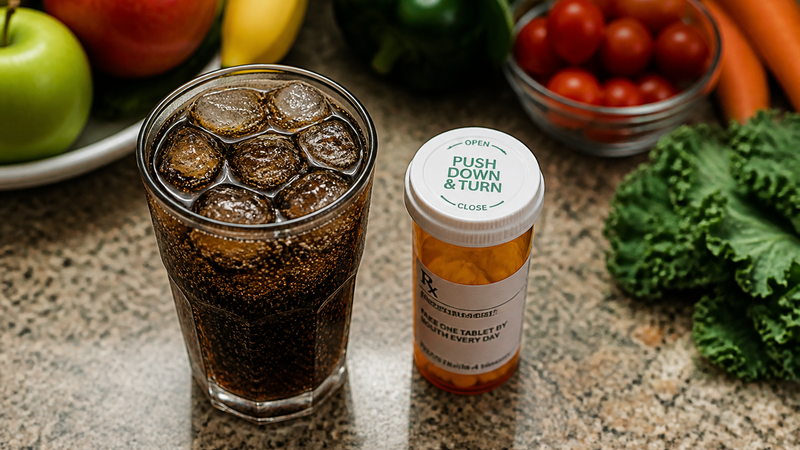
Antibiotics and Sugar: A Combination That Could Hurt Your Gut More Than You Think
Research suggests that what you eat while taking antibiotics may matter just as much as the medication itself — and sugar could be making things worse.
Most people think the stomach troubles that come with antibiotics are just an unavoidable side effect. Pop the pills, get through it, move on. But emerging research suggests your diet during that time — especially how much sugar you're eating — may play a bigger role in your recovery than anyone realized.
What Antibiotics Actually Do to Your Gut
Antibiotics are designed to kill harmful bacteria, but they aren't selective. They wipe out beneficial bacteria in your gut along with the bad. This disruption to your gut microbiome — the community of trillions of microorganisms living in your digestive tract — can cause bloating, diarrhea, and other digestive complaints.
More importantly, a disrupted microbiome can take weeks or even months to fully recover. And during that vulnerable window, what you eat appears to matter a great deal.
Where the Sugar Connection Comes In
Research published in Nature Microbiology examined how diet influences the gut microbiome during and after antibiotic treatment. The findings suggest that a high sugar intake may worsen the antibiotic-related disruption to the gut, making it harder for beneficial bacterial populations to bounce back.
The concern is that sugar feeds certain fast-growing bacteria that can outcompete the beneficial microbes trying to reestablish themselves. In a healthy gut, there's balance. But after antibiotics have cleared the field, that balance is fragile — and sugar may tip it in the wrong direction.
It is important to note that much of the underlying research in this area has involved animal models and smaller human studies. Scientists consider the findings promising and worth paying attention to, but more large-scale human research is still needed before drawing firm conclusions.
Why This Matters More After 40
Gut microbiome diversity naturally declines with age. That means older adults may start from a less resilient baseline even before a course of antibiotics begins. A diet high in added sugar during treatment could make an already challenging recovery even harder.
A less diverse microbiome has been linked in research to increased inflammation, weaker immune response, and a higher risk of conditions ranging from digestive disorders to metabolic disease. That's not a reason to panic — it's a reason to be thoughtful.
What You Can Do Right Now
You don't need to overhaul your entire diet. A few targeted changes during and after a course of antibiotics may help protect your gut and support recovery.
- Cut added sugars while you're on antibiotics. Skip the soda, sweetened coffee drinks, candy, and processed snacks. Read labels — added sugar hides in places like flavored yogurt, granola bars, and bread.
- Eat fiber-rich foods. Vegetables, legumes, and whole grains feed beneficial gut bacteria. Think of fiber as fertilizer for the good guys trying to grow back.
- Add fermented foods. Plain yogurt with live cultures, kefir, sauerkraut, and kimchi contain live bacteria that may help support your microbiome. Talk to your doctor about whether a probiotic supplement makes sense for you.
- Stay hydrated. Water supports digestion and helps your body process both the medication and any die-off from bacteria.
- Give it time. Research suggests gut recovery after antibiotics can take several weeks. Continue eating well even after you finish the prescription.
A Word on Probiotics
You've probably seen probiotic supplements marketed alongside antibiotics. The evidence on their usefulness is mixed. Some studies suggest certain strains may help reduce antibiotic-associated diarrhea, while other research questions how well supplemental bacteria survive and colonize the gut. If you're curious about probiotics, ask your doctor or pharmacist which strains, if any, might be appropriate for your situation.
The Bottom Line
Antibiotics can be life-saving, and when your doctor prescribes them, you should take them as directed. But the research emerging around diet and gut health suggests that cutting back on sugar while you're on antibiotics — and for a few weeks after — may help your gut recover faster. It's a simple, low-risk step that costs you nothing. Talk to your doctor if you have concerns about your gut health or recovery after a course of antibiotics.
