

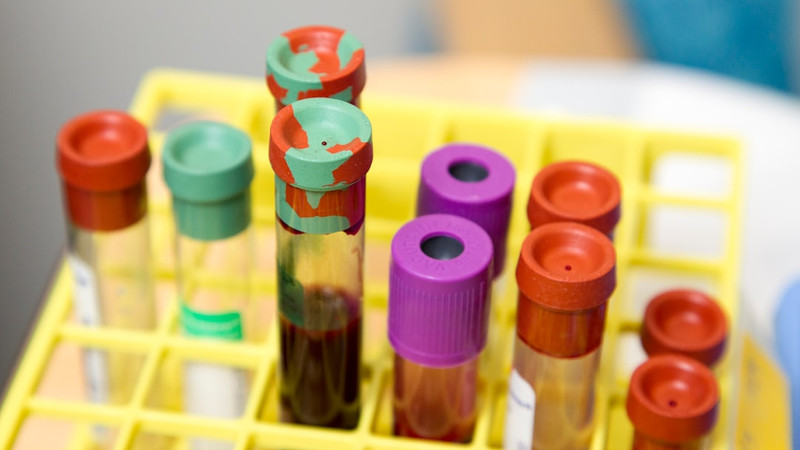
A routine cholesterol panel may no longer be the most reliable way to understand your heart disease risk. New research suggests another marker — one most people have never been screened for — could give a clearer picture of the harmful particles that drive plaque buildup.
And despite its importance, fewer than 1% of U.S. adults have ever had this test.
The Marker Doctors Say We’re Missing
Apolipoprotein B, or apoB, is a structural protein attached to the lipoproteins that cause arterial plaque. Each LDL particle carries exactly one apoB molecule. That means measuring apoB captures the total number of plaque-forming particles circulating in the blood — something LDL cholesterol alone cannot do.
LDL cholesterol measures how much cholesterol is inside those particles, not how many of them there are. That difference matters. People can have a normal LDL number but a high apoB count, putting them at a higher cardiac risk without knowing it. Researchers call this mismatch discordance.
Those with diabetes, higher body weight, insulin resistance, or elevated triglycerides are particularly likely to have normal LDL but elevated apoB.
Why ApoB May Be a Better Predictor
Artery-clogging plaque begins when apoB-containing particles enter the arterial wall, triggering inflammation. Over time, this hardens into plaque that restricts blood flow and raises the risk of heart attack and stroke.
A recent comprehensive review found that apoB correlates more closely with cardiovascular events than LDL cholesterol or non-HDL cholesterol. Preventive cardiologists say apoB reflects the “true burden” of plaque-forming particles more accurately than traditional cholesterol numbers.
Why It Isn’t Tested Routinely
Despite its importance, apoB has never been part of standard annual bloodwork. Current American Heart Association guidelines recommend testing it only in specific cases — such as people with very high triglycerides.
But many experts believe that approach is outdated. Preventive cardiologists at several major medical centers say adults should have apoB checked at least once to make sure it aligns with LDL levels.
If insurance doesn’t cover the test, the out-of-pocket cost is typically around $70 at most U.S. labs.
What ApoB Levels Mean
There is no universal consensus yet on the exact optimal targets, but many lipid specialists generally view:
Below 90 mg/dL is acceptable for low-risk adults
Below 70 mg/dL is potentially more protective for people at higher risk
Because apoB isn’t included in routine screening, many people with elevated levels — and elevated risk — may never know it.
Why This Matters Right Now
Heart disease remains the number one cause of death for men and women in the United States. Yet nearly one in four adults who should be screened for cholesterol haven’t had a lipid panel in the past five years.
Standard cholesterol tests can miss early risk, especially when LDL looks normal on paper. ApoB may give doctors a clearer window into plaque formation long before symptoms develop.
Who Should Consider Asking About ApoB
Experts note that the people most likely to show a mismatch between normal LDL and elevated apoB share certain traits:
Higher waist circumference or body weight
Insulin resistance or prediabetes
Elevated triglycerides
Metabolic syndrome
Strong family history of early heart disease
For these individuals, apoB may reveal a risk that would otherwise stay hidden.
The Bottom Line
Cholesterol testing isn’t going away — but apoB is emerging as a powerful additional metric that can detect problems earlier and more accurately.
Getting screened isn’t complicated. It’s a simple blood test. And for many adults, especially those with metabolic risk factors, it could offer a clearer picture of long-term cardiovascular health.
Medical Disclaimer
This article is for informational purposes only and does not provide medical advice. It is not a substitute for professional diagnosis or treatment. Always consult your healthcare provider before making decisions about your health.

