

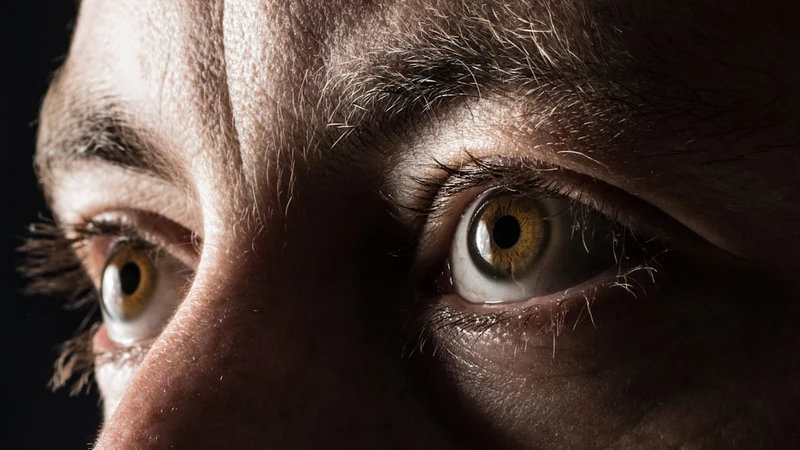
A routine eye issue could be masking one of the only early clues that bladder cancer is developing — and new research suggests the consequences may be serious.
Scientists report that people with color vision deficiency are more likely to miss early symptoms of bladder cancer and therefore receive a diagnosis much later, when treatment becomes more difficult, and survival odds drop sharply.
Color blindness affects millions of Americans, especially men, who develop the condition far more often than women. The most common form makes it difficult to distinguish red from green — a limitation that might sound minor but has significant implications when early cancer signs rely on color detection.
Bladder cancer’s earliest warning sign is often blood in the urine, a symptom that can be subtle, painless, and easily overlooked even among people with normal vision. For individuals who cannot reliably perceive red tones, that warning signal may never register.
Researchers reviewed medical records from patients with both color blindness and bladder cancer and compared them with records from patients who had bladder cancer but normal color vision. The pattern was clear: those with color blindness were diagnosed at more advanced, invasive stages and had significantly poorer long-term outcomes. Over 20 years, the risk of death was more than 50% higher in the color-blind group.
The findings carry added weight because bladder cancer already affects men at far higher rates. In 2026 alone, experts estimate more than 84,000 new diagnoses and nearly 18,000 deaths in the United States. A later diagnosis can accelerate that trajectory.
Why color blindness matters
Color vision deficiency is often inherited but can also be linked to medical conditions or eye disorders. Roughly 1 in 12 men worldwide has some form of the condition. Only 11 U.S. states require screening for color perception in school-aged children, meaning many people may reach adulthood without knowing they have impaired color perception. For diseases where early visual cues matter, that lack of awareness could create preventable delays.
The research team also investigated whether color blindness might similarly affect outcomes in colorectal cancer, where blood in stool can be another early signal. They found no meaningful difference between groups — likely because colorectal cancer often triggers additional symptoms and has well-established national screening guidelines.
Bladder cancer has no comparable routine screening in the U.S., making symptom recognition even more essential.
What clinicians may take from the study
Medical experts reviewing the findings say the results are compelling enough to broaden how providers assess urinary symptoms — especially among people who are known or likely to have color vision deficiency. A lower testing threshold could help catch the disease earlier, long before it spreads beyond the bladder.
With bladder cancer, timing matters. When detected before it extends beyond the bladder lining, the five-year survival rate is roughly 73%. Once the disease reaches distant organs, that rate sinks to 9%.
More research is needed, but the study highlights a simple reality: early detection sometimes depends on the ability to see changes that the eye cannot interpret accurately.
Medical Disclaimer
This article is for informational and educational purposes only and does not constitute medical advice. Always consult a qualified healthcare professional with questions about health, symptoms, or medical conditions.

