

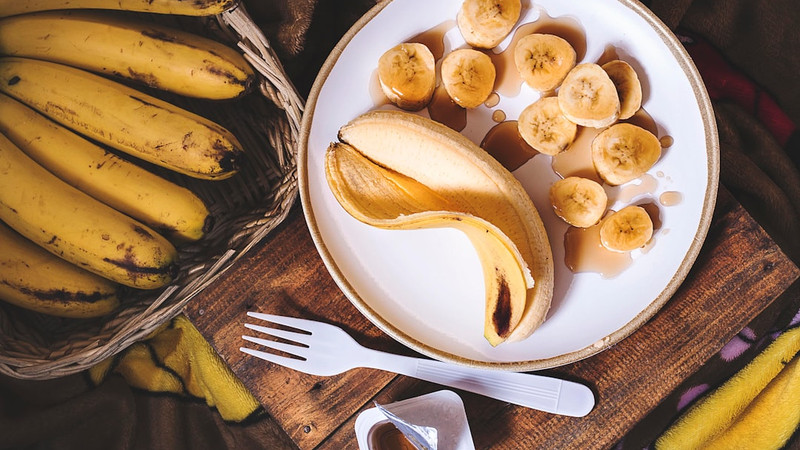
I hear this constantly: "I stopped eating bananas because I read fruit is basically candy." Every time, I have to walk it back. As a nutritional biochemist, I can tell you that the science doesn't support that fear, and treating whole fruit like a dessert does more harm than good.
Fruit Sugar and Candy Sugar Aren't the Same Thing
Yes, fruit contains sugar. But lumping it in with candy ignores everything else that comes packaged with that sugar. Whole fruit delivers fiber, water, vitamins, minerals, and plant compounds alongside its natural sugars, a completely different nutritional profile than a candy bar's isolated, stripped-down sweetness.
Fiber is doing real work here. It slows how quickly your body digests and absorbs sugar, which helps prevent the sharp blood sugar spikes people associate with sweet foods. That's a big reason why whole fruit tends to behave very differently in the body than fruit juice or processed sugar, even when the sugar content looks similar on paper.
People With Diabetes Don't Need to Avoid Fruit
This is where I push back hardest. A 2026 meta-analysis of five randomized trials in people with type 2 diabetes found that eating whole fruit-based foods was linked to improvements in HbA1c, fasting blood glucose, and HDL cholesterol, not worse outcomes. That finding runs directly counter to the idea that people with diabetes need to fear fruit.
The guidance from major health organizations backs this up. The standard recommendation isn't "avoid fruit," it's "choose fruit that's fresh, frozen, or canned without added sugars." From a biochemistry standpoint, the fruit itself usually isn't the problem; it's what gets added to it during processing.
The Banana and Grape Panic Doesn't Hold Up
If there's one myth I want to retire, it's the idea that "high-sugar" fruits like bananas and grapes are secretly bad for you. A large observational study following more than 187,000 U.S. health professionals found that eating more of several whole fruits, including grapes, apples, bananas, and grapefruit, was associated with a lower risk of developing type 2 diabetes over time. Fruit juice, notably, showed the opposite pattern, with higher juice intake linked to increased diabetes risk.
That distinction matters more than most people realize. It's not fructose itself causing the problem; it's what happens biochemically when you strip away the fiber and concentrate the sugar into a liquid you can drink in seconds, rather than a piece of fruit you actually have to chew.
To be clear, I'm not saying unlimited fruit is optimal for everyone. It still has carbohydrates and calories, and everyone's blood sugar responds a little differently based on individual metabolism. But cutting out whole fruit because you're scared of fructose means giving up real nutritional benefits over a risk that the research doesn't back up.
How to Eat Fruit for Steadier Blood Sugar
My go-to recommendation: pair fruit with a source of protein or healthy fat. Berries with Greek yogurt, an apple with peanut butter, a banana blended into a protein shake, or an orange alongside a handful of almonds. Adding protein, fat, or extra fiber to a piece of fruit slows digestion further and helps prevent the kind of blood sugar spike people are usually trying to avoid in the first place.
This article is for educational purposes only and is not a substitute for personalized medical or dietary advice. Talk with a registered dietitian or physician about how fruit fits into your individual health needs, especially if you have diabetes or another condition affecting blood sugar.

