

An emerging biotechnology approach could one day restore the function of an organ that begins deteriorating early in life—and change how we think about aging.
For decades, scientists have pursued one of the most ambitious objectives in the history of medicine: harnessing the regenerative power of living cells to repair damaged tissues, reverse debilitating diseases, and perhaps even extend the human lifespan. Much of that attention has focused on stem cells, those extraordinary biological building blocks capable of developing into specialized cells and contributing to the maintenance and repair of our bodies.
But what if another type of cell, one that has received far less public attention, holds equally extraordinary possibilities? What if a cell that exists abundantly throughout our bodies could become a foundation for treating diseases that have resisted conventional therapies? And what if those cells could help restore the function of an organ that begins deteriorating remarkably early in life, thereby preserving one of our most important defenses against illness?
These are not merely philosophical questions. They are questions being investigated by scientists at FibroBiologics, a Houston-based biotechnology company to which I consult that is pursuing a potentially transformative approach to regenerative medicine.
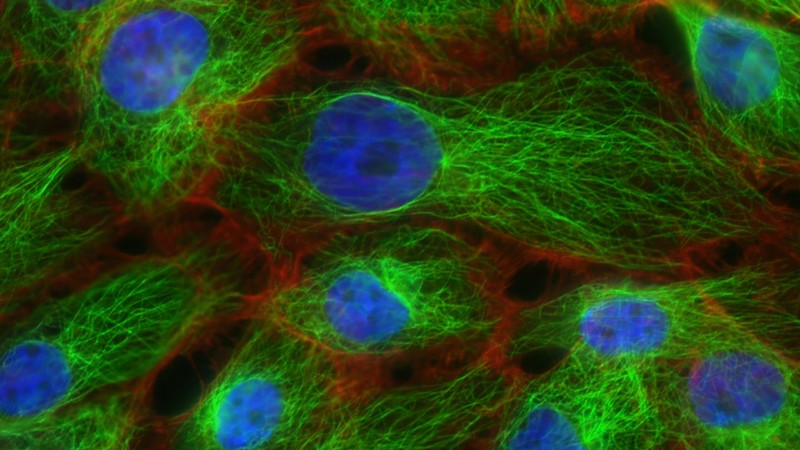
The company’s focus is on fibroblasts, cells traditionally recognized for producing collagen, maintaining connective tissue, supporting wound healing, and helping preserve the structural integrity of organs. But scientists increasingly understand that fibroblasts are much more than biological construction workers. They communicate with other cells, influence immune responses, participate in tissue regeneration, and help create the environments in which specialized cells develop and function.
In other words, fibroblasts may possess therapeutic capabilities that have been substantially underestimated.
And nowhere is their potential more fascinating than in the possibility of restoring the function of the human thymus.
The Organ That Aging Takes Away
Most people have heard of the heart, lungs, kidneys, liver, and pancreas. Far fewer understand the importance of the thymus, a relatively small organ located behind the breastbone, above the heart.
Yet the thymus is indispensable to the development of a healthy immune system.
It serves as a biological training academy for T lymphocytes, the immune cells responsible for recognizing and responding to infections, identifying abnormal cells, helping defend against cancer, and distinguishing the body’s own tissues from dangerous intruders.
The thymus does not merely produce immune cells. It helps educate them.
It is where developing T cells undergo an extraordinarily sophisticated process of selection, learning which molecular targets should trigger an immune response and which belong to the body itself and should ordinarily be left alone. This education is essential not only for immunity, but also for preventing the immune system from mistakenly attacking healthy tissues.
And yet nature has designed the thymus in a rather peculiar way.
Unlike the heart or kidneys, which generally retain their fundamental structures throughout life, the thymus begins to shrink and lose functional tissue relatively early. The process, called thymic involution, begins in childhood and becomes especially apparent after puberty. Over subsequent decades, much of the organ’s functional tissue is progressively replaced by fatty tissue.
The thymus does not literally die, and some function can persist into advanced age. Nevertheless, its capacity to generate new, diverse T cells declines substantially.
This matters enormously.
As we age, our immune systems become less capable of responding to unfamiliar pathogens, less effective at mounting certain responses to vaccines, and potentially less proficient at identifying and eliminating emerging cancer cells. At the same time, immune regulation can become less reliable, contributing to the complicated relationship between aging, chronic inflammation, and autoimmune disease.
Scientists refer to aspects of this deterioration as immunosenescence.
It is one of the fundamental biological challenges of growing older.
We have become accustomed to thinking about aging as an inevitable accumulation of damage. But the deterioration of the thymus suggests something more specific: We gradually lose access to a biological system that was once exceptionally capable of generating and educating the immune cells necessary to protect us.
What if that system could be restored?
A New Thymus Without Replacing the Old One?
This is where the work being conducted by FibroBiologics becomes particularly intriguing.
The company has developed an experimental thymic organoid technology that combines selected fibroblasts with thymus-derived stromal cells to create small, engineered biological structures capable of reproducing important aspects of thymic function.
An organoid is not necessarily a complete replacement organ. Rather, it is a deliberately constructed, three-dimensional collection of cells designed to reproduce particular features of an organ’s structure or function.
In the case of the thymus, the objective is extraordinarily ambitious: to create a living environment in which immature immune cells can develop into functional T cells, potentially compensating for the loss of thymic activity associated with aging or disease.
In April 2026, FibroBiologics announced preclinical findings from its thymic organoid program, presented at the Keystone Symposia on Aging and Immunity.
According to the company, its transplanted organoids generated multiple T-cell populations in immunodeficient mice, including conventional alpha-beta T cells, gamma-delta T cells, natural killer T cells, and regulatory T cells. The resulting cells demonstrated a diverse repertoire of T-cell receptors and responded to immune stimulation.
The company also reported that organoid-derived, antigen-specific T cells slowed melanoma tumor growth in a specialized mouse model.
These are preclinical findings, not proof that the technology will work in humans. Nevertheless, they represent a fascinating demonstration of biological possibility.
The research suggests that an engineered cellular environment may be capable of supporting meaningful immune-cell development outside the normal thymus.
Consider the implications.
If such technology can eventually be translated safely and effectively into human beings, we might one day be able to supplement or restore thymic function in people whose natural thymus has become severely diminished.
Instead of merely attempting to stimulate an aging immune system with medications, we might be able to restore some of its capacity to produce newly educated immune cells.
That would represent a fundamentally different approach to treating age-related immune decline.
The Connection to Longevity
There is an important distinction between extending lifespan and extending healthspan.
Lifespan is simply the number of years we remain alive. Healthspan refers to the years during which we retain good health, functional independence, cognitive vitality, and freedom from serious disease.
For most people, the ultimate goal is not simply to live longer. It is to remain healthy enough to enjoy those additional years.
Much of modern longevity research has concentrated on cellular senescence, mitochondrial function, DNA damage, epigenetic changes, and metabolic pathways associated with aging. These are legitimate and important areas of investigation.
But immune aging deserves at least as much attention.
Our immune systems are intimately involved in maintaining the integrity of nearly every organ. They identify infected cells, respond to emerging malignancies, coordinate tissue repair, and participate in the regulation of inflammation.
As immune function deteriorates, vulnerabilities emerge throughout the body.
Imagine, then, the potential consequences of maintaining a more youthful capacity to generate functional T cells.
Could older adults become less susceptible to serious infections? Could their responses to vaccinations improve? Could enhanced immune surveillance reduce certain cancer risks? Could better immune regulation help address some aspects of autoimmune disease?
These are plausible research questions, not established clinical outcomes.
And there is an even larger question.
If restoring thymic function could preserve important elements of immune competence, might it also help extend the number of years people live in good health?
That possibility is sufficiently important to warrant serious scientific attention.
It is also important to recognize that immune function is extraordinarily complex. Producing more T cells is not necessarily the same as producing a healthier immune system. Those cells must be appropriately educated, regulated, and integrated into the body’s existing immune networks. An intervention that improves one dimension of immunity could conceivably create problems in another.
The ultimate challenge will be to demonstrate that engineered thymic tissue can produce durable, appropriately regulated immune function in human beings without creating unacceptable risks.
Still, the possibility of restoring a function that aging progressively removes is an exciting one.
Why Fibroblasts May Be So Important
The thymic organoid project is only one aspect of FibroBiologics’ broader scientific strategy.
The company is investigating fibroblast-based approaches to several conditions, including multiple sclerosis, degenerative disc disease, wound healing, and age-related deterioration of immune organs.
For years, stem cells have dominated public discussions of regenerative medicine. And for good reason. Certain stem-cell therapies have already transformed treatment for specific diseases, particularly disorders of the blood and immune system.
But stem cells are not the only cells capable of contributing to tissue repair and regeneration.
Fibroblasts possess several characteristics that make them particularly attractive for therapeutic development.
First, they are abundant. They can be obtained from accessible tissues, including skin, and expanded in laboratory culture.
Second, they can be relatively straightforward to grow and manufacture compared with some stem-cell populations, potentially offering practical advantages in developing scalable cellular therapies.
Third, they play important roles in regulating inflammation and communicating with immune cells.
Fourth, fibroblasts help create the extracellular environments that allow tissues to maintain their organization and function.
That last characteristic is especially interesting.
Regenerative medicine may ultimately depend on more than introducing cells capable of replacing damaged ones. It may require reconstructing the biological environments that enable cells to communicate, organize, mature, and function properly.
A cell does not exist in isolation. It exists within a community.
The thymic organoid approach reflects that principle. Fibroblasts are not being asked to accomplish everything alone. They are being used alongside other specialized cells to create an environment capable of supporting immune-cell development.
This may prove to be one of the most important conceptual developments in regenerative medicine: recognizing that rebuilding a functioning biological system can be as important as replacing individual cells.
Beyond the Thymus: A Platform for Treating Disease
FibroBiologics’ ambitions extend beyond longevity.
Consider multiple sclerosis, a disease in which immune dysfunction leads to damage to the central nervous system. A fibroblast-based therapy capable of safely modifying harmful immune responses could potentially provide another treatment strategy for patients whose disease remains difficult to control.
Or consider degenerative disc disease, which can produce chronic pain, impaired mobility, and substantial disability. A cellular therapy that meaningfully improves the environment within damaged spinal discs could have enormous clinical implications.
Wound healing represents another area of potential application, particularly in patients whose tissues have difficulty repairing themselves because of diabetes, vascular disease, or other chronic conditions.
The company is also exploring the possibility of supporting the function of the spleen, another organ essential to immune defense.
Each of these applications presents different biological challenges, and success in one would not guarantee success in another. Some remain at an early experimental stage. Nevertheless, together they illustrate the breadth of the therapeutic possibilities being explored.
Rather than developing a single drug for a single disease, FibroBiologics is investigating whether fibroblasts and fibroblast-derived materials can serve as a platform for multiple forms of regenerative and immune-modulating therapy.
If even a portion of that potential is eventually demonstrated in rigorous human clinical trials, the implications could be substantial.
The Difference Between Scientific Promise and Medical Proof
Medicine has witnessed many promising discoveries that ultimately failed to deliver meaningful benefits to patients.
Cell therapies are particularly challenging because living cells behave differently from conventional medications. Their effects can depend on their source, preparation, biological environment, interactions with the recipient’s immune system, and long-term survival.
With thymic organoids, researchers must answer difficult questions.
Will the engineered structures survive and function for years rather than weeks or months? Will they reliably produce diverse, appropriately educated T cells in older human beings? Will they avoid generating harmful immune responses or increasing the risk of autoimmunity? Can they be manufactured consistently and administered safely? And, most importantly, will restoring measurable aspects of thymic function translate into fewer infections, better health, or longer life?
These questions remain unanswered.
FibroBiologics’ thymic organoid findings have been reported in company announcements describing preclinical research. They should not be confused with evidence from completed, controlled human trials demonstrating improved longevity.
But uncertainty about eventual success should not obscure the importance of the scientific questions being investigated.
Every transformative medical advance begins with a hypothesis that challenges prevailing assumptions.
The discovery of insulin transformed diabetes treatment. Organ transplantation changed the prognosis for patients with otherwise fatal organ failure. Immunotherapies have altered the treatment of certain cancers.
In each case, scientists pursued biological possibilities that once seemed extraordinarily ambitious.
The emerging science of fibroblast-based regeneration deserves to be evaluated with the same combination of imagination and scientific rigor.
What If Aging Is Partly a Problem of Lost Biological Function?
I find the thymus project especially compelling because it raises a question that extends well beyond immunology.
What if some of the most consequential aspects of aging are not simply the result of accumulated damage, but the progressive loss of biological systems that could, at least in principle, be restored?
The distinction matters.
If aging is understood exclusively as deterioration, medicine’s role becomes one of slowing decline, managing symptoms, and compensating for losses.
But if particular elements of aging can be traced to identifiable biological functions that have diminished or disappeared, then a different strategy becomes possible.
We can attempt to restore those functions.
Not merely slow the clock, but recover something the clock has taken away.
The thymus offers an especially provocative example because its deterioration is both pronounced and intimately connected to immune competence.
Imagine a future in which a person in their seventies or eighties could receive a cellular therapy that safely restored some of the immune-generating capacity they possessed decades earlier.
Such a therapy would not make that person biologically young in every respect. It would not eliminate cardiovascular disease, dementia, cancer, or the many other processes associated with aging.
But it might strengthen one of the body’s most important systems for maintaining health.
And if that improvement translated into meaningful clinical benefits, it could become a valuable component of a broader strategy for healthy longevity.
A Scientific Frontier Worth Watching
I believe the work being undertaken by FibroBiologics illustrates why regenerative medicine remains one of the most exciting frontiers in medical science.
The company’s approach challenges the assumption that stem cells must occupy the center of every effort to rebuild or restore human tissue. It directs attention toward fibroblasts, cells that are plentiful, biologically versatile, and deeply involved in maintaining the environments that allow our organs to function.
Its thymic organoid research is particularly compelling because it targets a biological process that affects virtually everyone who grows older.
We are accustomed to accepting the gradual decline of immune function as an unavoidable part of life.
Perhaps it is unavoidable with the biological resources nature provides us.
But perhaps it will not always be unavoidable with the biological resources science can create.
That is the possibility that makes this research so important.
The distance between successful experiments in mice and proven therapies for human beings remains substantial. There is no guarantee that fibroblast-based thymic organoids will extend human healthspan or lifespan.
Yet the underlying ambition is remarkable: to reconstruct a functional biological system that the human body gradually loses, and in doing so, potentially preserve one of our most important defenses against disease.
If scientists can eventually accomplish that, the implications will extend far beyond one biotechnology company, one organ, or one category of illness.
They will challenge our understanding of what aging must mean.
Perhaps the future of longevity medicine will not be defined solely by how effectively we can slow the deterioration of the human body, but by how successfully we can restore the extraordinary biological capacities it once possessed.
And perhaps fibroblasts, among the most familiar and abundant cells in our bodies, will help make that future possible.
