

Every January brings renewed focus on health. But when it comes to the brain, the science points in a clear direction: long-term cognitive health doesn’t come from one dramatic change. It comes from supporting a small number of core systems consistently over time.
As we move into 2026, brain health matters more than ever. Memory, focus, emotional balance, and resilience shape how we live — not just how long we live. Here’s our practical, evidence-informed take on what actually protects the brain as we age.
1. Movement Feeds the Brain
Regular movement improves blood flow, delivers oxygen and nutrients, lowers inflammation, and supports learning and memory. Large population studies consistently link physical activity to lower dementia risk.
The brain doesn’t require punishing workouts. It responds to consistent movement — walking, light strength training, mobility work, and activities you can sustain. Intensity matters far less than repetition.
2. Time Outdoors Reduces Cognitive Stress
Natural environments lower mental load. Research shows that time spent outdoors improves mood, attention, and emotional regulation. People who live near green spaces experience slower cognitive decline compared to those in dense urban settings.
Outdoor time often combines movement, sensory engagement, and stress reduction — a powerful combination for brain health.
3. Mental Challenge Builds Cognitive Reserve
The brain strengthens through challenge. Learning new skills, solving complex problems, and engaging deeply with tasks activate networks involved in attention, processing speed, and memory.
Passive stimulation doesn’t deliver the same benefit. The brain needs effort with purpose, paired with adequate sleep and recovery, to build long-term resilience.
4. Nutrition Shapes Blood Flow and Inflammation
What you eat influences brain health largely through vascular function and inflammation control. Diets rich in vegetables, berries, whole grains, legumes, fish, and healthy fats support cognitive aging. Diets high in ultra-processed foods and processed meats correlate with faster decline.
Consistency matters more than perfection. Small improvements sustained over time deliver meaningful benefits.
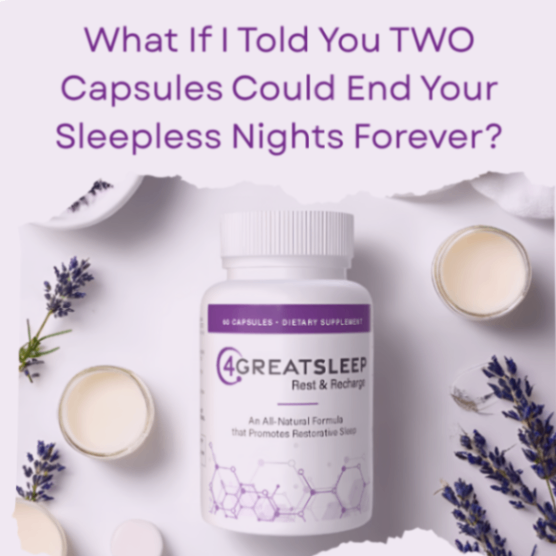
5. Sleep Acts as the Brain’s Repair Cycle
Sleep is not optional for brain health. During deep sleep, the brain clears metabolic waste and consolidates memory. Disrupted sleep interferes with these processes and increases long-term cognitive stress.
Consistent sleep schedules, reduced nighttime stimulation, and treatment of sleep disorders support memory, mood, and long-term resilience. Nothing else works well without sleep.
6. Stress Reduction and Social Connection Protect the Brain
Chronic stress and loneliness accelerate inflammation and cognitive decline. Research links social isolation to higher dementia risk and worse brain outcomes over time.
Regular connection — phone calls, shared meals, community involvement — supports emotional stability and cognitive health. Stress management isn’t optional. It’s preventive care.
7. Support the Brain’s Biology, Alongside Healthy Habits
Healthy habits matter. Modern life still creates gaps. Chronic stress, poor sleep, aging, and nutrient depletion can challenge normal brain biology, even when routines look solid.
That reality drove our work at 4VitaHealth. We focus on supporting normal biological processes involved in sleep, stress balance, mental clarity, and physical comfort — as part of an overall healthy lifestyle.
Supplements don’t replace habits. They complement lifestyle choices by supporting the biology associated with general wellness.
You can learn more about our approach at 4VitaHealth
Before You Scroll — One Important Question
If brain health depends on sleep, stress balance, clarity, and long-term resilience, ask yourself this:
What are you doing right now to support those systems — consistently?
Most people know what healthy habits look like.
Fewer people support the underlying biology that helps those habits feel sustainable over time.
That’s why we built 4VitaHealth around a simple idea:
To support general wellness systems — including sleep, mood balance, and cognitive function — as part of a broader, healthy lifestyle.
If protecting your brain matters to you in 2026, take a moment to learn about our 4-key wellness approach.
Learn more at https://www.4vitahealth.com
No pressure.
No guarantees.
Just information to help you decide what makes sense for you.
The Bottom Line
Brain health doesn’t require perfection.
It requires support applied steadily over time.
People who move regularly, sleep well, manage stress, stay connected, eat thoughtfully, and support their biology build resilience that compounds.
That’s how brains stay sharper — longer.
Medical Disclaimer
This article provides general information only and does not constitute medical advice. Always consult a qualified healthcare professional regarding medical conditions, cognitive concerns, or changes to diet, supplements, or health routines.
FDA Disclaimer
Products mentioned in this article have not been evaluated by the Food and Drug Administration. These products are not intended to diagnose, treat, cure, or prevent any disease.
FTC Disclosure
Keith Ablow, MD, and Kathryn Munoz, PhD, MPH, are co-founders of 4VitaHealth, a company that develops and markets dietary supplements available at www.4vitahealth.com. They may receive financial benefit from the sale of these products. Individual results may vary.

