

Junk Food and Your Child's Brain: What the Research Is Revealing
Your kids' snack habits may be doing more than adding empty calories — emerging research suggests they could be reshaping how the brain responds to pleasure and reward.
Most parents worry about sugar and weight when it comes to junk food. But a growing body of research points to something deeper: ultra-processed foods may actually change the way the brain's reward system works — and children's developing brains may be especially vulnerable to those changes.
What Are Ultra-Processed Foods, Exactly?
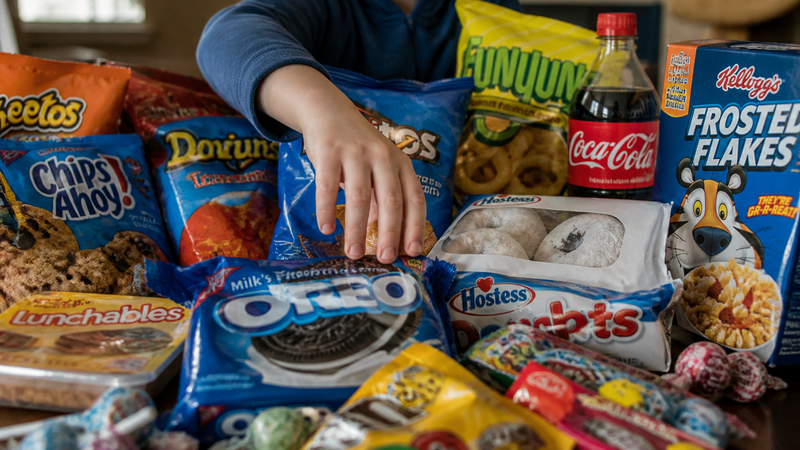
Ultra-processed foods go well beyond basic ingredients. They are industrial formulations packed with additives, artificial flavors, emulsifiers, and refined sugars and fats — think chips, fast food, packaged cookies, sugary cereals, and flavored drinks.
These products are specifically engineered to taste intensely rewarding. That's not an accident. Food scientists design them to hit what the industry calls the "bliss point" — the precise combination of salt, sugar, and fat that makes it very hard to stop eating.
How the Brain's Reward System Gets Involved
Your brain has a reward circuit built around a chemical called dopamine. When you do something pleasurable — eat, socialize, accomplish a goal — dopamine is released, creating a sense of satisfaction and motivating you to repeat the behavior.
Research published in journals including Cell Metabolism and reviewed in Nature Reviews Neuroscience suggests that highly processed, hyperpalatable foods can trigger dopamine responses in ways that resemble patterns seen with addictive substances. Over time, repeated exposure may dull the brain's sensitivity to everyday rewards, potentially making ordinary foods — or everyday pleasures — feel less satisfying by comparison.
It's important to note that this research is still evolving. Much of it comes from animal studies and neuroimaging studies in adults. Scientists are careful to say the evidence "suggests" these effects rather than proving a direct causal link in humans.
Why Children May Be More Vulnerable
The brain doesn't finish developing until the mid-20s. The prefrontal cortex — the region responsible for impulse control and decision-making — is one of the last areas to mature. That means children and adolescents are working with a reward system that is highly sensitive and still being shaped by experience.
Researchers have raised concern that early and frequent exposure to hyperpalatable ultra-processed foods during these critical developmental windows may influence how the reward circuit gets calibrated — potentially setting preferences and cravings that persist into adulthood. Studies in this area are still early, and larger, long-term research in children is needed to draw firm conclusions.
What This Looks Like in Real Life
You may have noticed this dynamic yourself. A child who eats chips every afternoon may lose interest in fruit as a snack. A teenager used to fast food may find home-cooked meals less appealing. Researchers describe this as a shift in "reward threshold" — the brain adapting to expect a higher level of stimulation.
This doesn't mean every child who eats processed food will develop disordered eating or addiction-like behavior. The science does not support that conclusion. But it does suggest that food environment and early habits matter more than many families realize.
Practical Steps Worth Considering
You don't have to overhaul everything overnight. Small, consistent changes in the food environment tend to work better than strict rules that feel punishing.
- Keep whole foods visible and easy to grab — fruit on the counter, cut vegetables in the fridge at eye level.
- Reduce ultra-processed foods gradually rather than eliminating them all at once, which can backfire.
- Cook together when possible. Research consistently links family meals with healthier eating patterns in children.
- Read ingredient labels. If a product has a long list of additives, artificial flavors, or multiple forms of sugar, it likely falls into the ultra-processed category.
- Talk with your child's pediatrician if you have concerns about eating habits or food-related behaviors.
The Bottom Line
Emerging research suggests that ultra-processed foods may do more than add empty calories — they may influence the developing brain's reward system in ways that shape long-term eating habits and cravings. The science is still early, and no single snack is going to rewire a child's brain. But the overall pattern of a child's diet matters, and building a food environment rich in whole foods from an early age is one of the most practical investments in long-term health you can make. Talk with your child's doctor if you have specific concerns.
