

How Eating More Fiber Each Day Could Add Years to Your Life
Most people know fiber is good for them — but the research on just how good may surprise you.
You've probably heard you should eat more fiber. But if you're like most Americans, you're getting about half the recommended amount each day. Here's what the latest science says happens inside your body when you actually close that gap — and why it may be one of the smartest longevity moves you can make.
What the Big Studies Actually Found
A landmark review published in The Lancet in 2019 analyzed data from nearly 250 studies and clinical trials involving millions of people. The researchers found that people who ate the most dietary fiber had significantly lower risks of dying from heart disease, stroke, type 2 diabetes, and colorectal cancer compared to those who ate the least.
The data suggested that eating 25 to 29 grams of fiber per day was associated with risk reductions ranging from 15 to 30 percent for those conditions. The authors noted that even higher intakes may offer additional benefits. This was not a small pilot study — it was one of the largest reviews of its kind, and it directly informed updated dietary guidelines from the World Health Organization.
A separate large analysis published in the American Journal of Clinical Nutrition found that higher fiber intake was consistently linked to lower all-cause mortality — meaning death from any cause — across multiple populations studied over time.
What Fiber Does Inside Your Body
Fiber is a type of carbohydrate that your body can't fully digest. That sounds like a flaw, but it's actually the whole point. Because it isn't broken down and absorbed quickly, fiber slows the movement of food through your digestive system and blunts sharp blood sugar spikes after meals.
Soluble fiber — the kind found in oats, beans, and apples — dissolves in water and forms a gel-like substance in your gut. That gel helps lower LDL cholesterol by binding to bile acids and carrying them out of your body.
Insoluble fiber, found in whole grains and vegetables, adds bulk and keeps things moving through your intestines. Both types matter, and most plant foods contain a mix of the two.
The Gut Microbiome Connection
Here's where the science gets especially interesting. Fiber is the primary food source for the trillions of bacteria living in your gut. When those bacteria ferment fiber, they produce short-chain fatty acids — compounds that research in journals like Nutrients has linked to reduced inflammation, a healthier gut lining, and better immune regulation.
Chronic low-grade inflammation is increasingly understood as a driver of aging and a wide range of diseases, from heart disease to cognitive decline. Feeding your gut bacteria well with fiber may be one of the most direct ways to dial that inflammation down.
It's worth noting that most of this research is observational or conducted in controlled settings. Scientists have strong evidence for the associations, but the exact mechanisms in humans are still being studied.
How Much Do You Actually Need?
Current U.S. dietary guidelines recommend 22 to 34 grams of fiber per day for adults, depending on age and sex. The average American gets roughly 15 grams. That's a meaningful gap.
If you jump from near zero to 30 grams overnight, your gut may not be thrilled about it. Bloating and gas are common when fiber intake rises too fast. The practical move is to add fiber gradually — a few extra grams per week — and drink plenty of water, which helps fiber do its job.
The Best Food Sources to Add to Your Plate
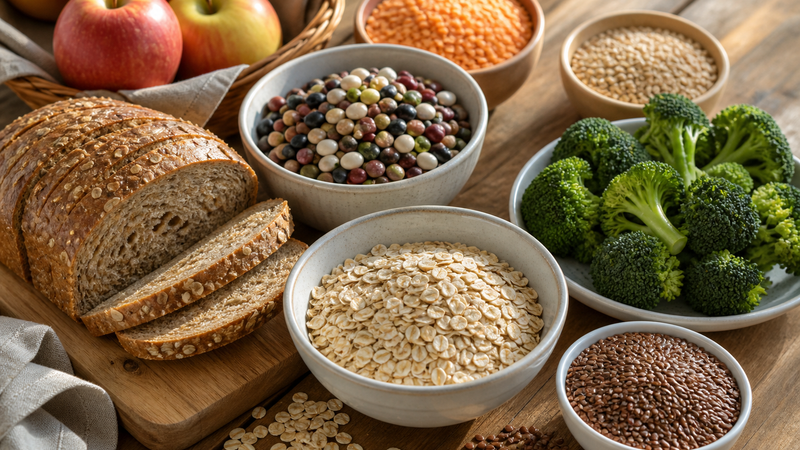
You don't need a supplement to hit your fiber goals. Whole foods get you there faster and bring other nutrients along for the ride. Some of the most fiber-rich options include:
- Legumes: Lentils, black beans, and chickpeas pack 10 to 15 grams of fiber per cooked cup
- Whole grains: Oats, quinoa, barley, and whole-wheat bread are all solid sources
- Vegetables: Broccoli, Brussels sprouts, artichokes, and carrots are standouts
- Fruits: Apples, pears, berries, and avocados offer fiber plus antioxidants
- Nuts and seeds: Chia seeds, flaxseeds, and almonds add up quickly
Swapping refined grains for whole grains at a few meals per week and adding a serving of beans or lentils to soups, salads, or grain bowls is a practical starting point that requires no overhaul of the way you eat.
A Word of Caution for Some Readers
For most healthy adults, increasing dietary fiber is safe and beneficial. But if you have inflammatory bowel disease, Crohn's disease, certain gastrointestinal conditions, or kidney disease, dietary changes — including a big uptick in fiber — should be discussed with your doctor first. The same goes for anyone whose doctor has recommended a specific diet for a medical condition.
The Bottom Line
Decades of research, including one of the largest dietary reviews ever published, consistently links higher fiber intake to lower risks of heart disease, diabetes, colorectal cancer, and early death. Most Americans eat far less than the recommended amount. Closing that gap doesn't require a special diet or expensive supplements — it starts with adding more beans, whole grains, vegetables, and fruit to the meals you're already eating. It's one of the most evidence-backed things you can do for your long-term health, and you can start today.
