

Zombie Cells Are Aging You Faster — Here's What Science Is Doing About It
Your body may be harboring millions of dysfunctional cells that quietly drive inflammation, disease, and aging — and researchers are now finding ways to clear them out.
You've probably heard that aging is inevitable. But scientists are increasingly convinced that a big part of what makes us feel and look older isn't time itself — it's a growing crowd of malfunctioning cells quietly stirring up trouble throughout your body. The good news? Researchers are learning how to fight back.
What Exactly Is a Zombie Cell?
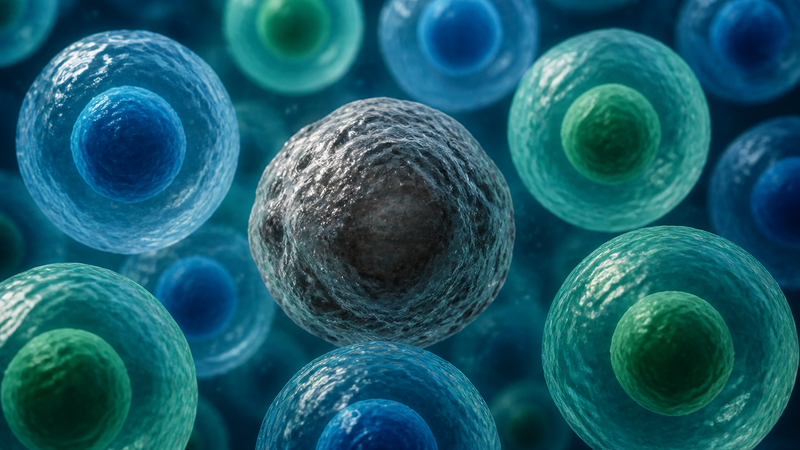
A senescent cell is one that has stopped dividing but refuses to die. Under normal circumstances, your immune system clears these cells out before they cause problems. But as you age, that cleanup process slows down, and these cells begin to accumulate.
The reason researchers started calling them "zombie cells" makes sense once you understand what they do: they don't function properly, but they won't quit. Worse, they release a toxic mix of inflammatory proteins into the surrounding tissue — a process scientists call the senescence-associated secretory phenotype, or SASP.
Think of it like a bad coworker who stopped doing their job but keeps sending irritating emails that disrupt everyone else's work.
Why This Matters for Your Health
Senescent cells have been linked in research to a wide range of age-related conditions, including arthritis, heart disease, type 2 diabetes, cognitive decline, and frailty. A landmark study published in Nature Medicine found that transplanting senescent cells into young mice caused them to develop physical dysfunction and disability similar to much older animals — pointing to senescent cells as a potential direct driver of aging, not merely a byproduct of it.
It's important to note that much of the early research was conducted in animal models. Human studies are still catching up. Scientists urge caution about drawing direct conclusions from mouse studies to human biology, but the consistency of findings across multiple research teams has made this one of the most closely watched areas in aging science.
The Rise of Senolytics: Drugs That Target Zombie Cells
The most talked-about approach right now involves a class of drugs called senolytics — compounds designed to selectively clear senescent cells from the body. The most studied combination is dasatinib, a cancer drug, paired with quercetin, a natural compound found in foods like onions, apples, and green tea.
Researchers at the Mayo Clinic have been among the leaders in this area. Early human trials using the dasatinib-and-quercetin combination have shown the regimen can reduce markers of senescent cells in human tissue, and some small studies have suggested improvements in physical function in specific patient groups. These are early-stage findings in small numbers of participants, and they do not yet constitute proof that this approach works broadly in healthy adults. Larger clinical trials are ongoing.
Quercetin on its own, as a supplement, is widely available without a prescription — but the research supporting its use as a standalone senolytic in humans is still very limited. Talk with your doctor before adding any new supplement to your routine, especially if you take other medications.
Natural Lifestyle Factors That May Help
You don't have to wait for a pharmaceutical breakthrough to take action. Several well-established lifestyle habits have been linked in research to slower accumulation of senescent cells and better immune clearance of the ones that do form.
- Exercise: Regular physical activity, particularly aerobic exercise, has been shown in studies to reduce markers of cellular senescence. Research published in Nature Aging found associations between higher fitness levels and lower senescent cell burden.
- Caloric restriction and fasting: Some research suggests that intermittent fasting and caloric restriction may slow senescent cell accumulation, though the evidence in humans is still developing.
- Sleep: Poor sleep is associated with increased inflammatory signaling, which may accelerate senescent cell buildup over time.
- Avoiding smoking and excess alcohol: Both are known to accelerate cellular aging and oxidative stress, two key drivers of senescence.
- A diet rich in antioxidants: Foods high in flavonoids — berries, leafy greens, apples, onions — contain compounds like quercetin and fisetin that researchers are actively studying for their potential senolytic properties.
Where the Science Stands Right Now
Cellular senescence research is moving fast. The National Institute on Aging has invested significantly in this field, and dozens of clinical trials are underway around the world. That said, this is still an emerging science. Most human trials are small, short-term, or focused on specific disease populations — not healthy adults looking to slow aging in general.
No drug, supplement, or regimen has yet been proven to extend healthy human lifespan by clearing senescent cells. What researchers do have is a growing and credible body of evidence that these cells play a real role in age-related decline — and that clearing them, in the right contexts, may make a meaningful difference.
This is a space worth watching closely, and one where the next few years of trial data could be genuinely significant.
The Bottom Line
Senescent "zombie" cells accumulate as we age and appear to drive inflammation and disease — a finding supported by a growing body of research from institutions including the Mayo Clinic. Experimental drugs called senolytics are showing early promise in human trials, but they are not ready for general use. In the meantime, regular exercise, quality sleep, a diet rich in flavonoid-containing foods, and avoiding smoking remain your best evidence-backed tools for keeping your cells — and your body — healthier for longer. If you're curious about senolytic therapies, ask your doctor whether any clinical trials may be appropriate for you.
