

Your Smartwatch May Catch Health Problems Before Your Doctor Can
Wearable devices are doing more than counting steps — here's what the science actually says about their growing role in early health detection.
You probably think of your smartwatch as a fitness tracker. Something that nags you to stand up and logs your morning run. But researchers are finding it may be quietly doing something far more important — picking up on early warning signs of serious health conditions before you feel a single symptom.
The technology is not perfect, and it is not a replacement for your doctor. But the evidence is starting to catch up with the hype in some genuinely meaningful ways.
What Your Wrist Is Actually Measuring
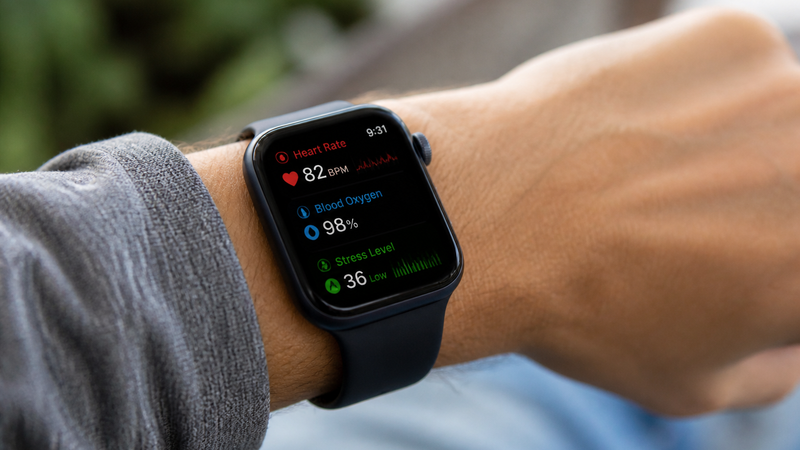
Modern smartwatches and fitness bands use optical sensors to measure heart rate by detecting changes in blood flow beneath the skin. More advanced devices also track heart rhythm, blood oxygen levels, skin temperature, respiratory rate, and even electrical signals from the heart similar to a basic electrocardiogram (ECG).
That is a lot of continuous data — collected around the clock, day after day — that no routine doctor visit could ever replicate.
The AFib Discovery That Changed the Conversation
One of the most compelling cases for wearable detection involves atrial fibrillation, or AFib — an irregular heart rhythm that raises the risk of stroke significantly but often causes no obvious symptoms.
The Apple Heart Study, published in The New England Journal of Medicine in 2019, enrolled more than 400,000 Apple Watch users. It found that the device could flag irregular pulse patterns consistent with AFib and prompt users to seek follow-up care. Among those who received an irregular pulse notification and wore an ECG patch afterward, about 34 percent were confirmed to have AFib.
That is a meaningful finding from a very large sample. Researchers noted important limitations, though: the study population skewed younger and healthier than average, and a notification does not equal a diagnosis. Still, for a condition that often goes undetected until a stroke occurs, earlier awareness has real value.
COVID, Flu, and Infection Signals
During the pandemic, researchers at Stanford University and the Scripps Research Translational Institute explored whether wearables could detect illness before symptoms appeared. Studies published in Nature Biomedical Engineering and other journals found that changes in resting heart rate, heart rate variability, and skin temperature — picked up by consumer fitness devices — could sometimes signal a COVID-19 or influenza infection days before a person felt sick.
These were early and exploratory findings, and the studies had limitations including self-reported data and variable device accuracy. But they opened the door to the idea of wearables as an early-warning system for infectious illness — something researchers are continuing to study.
Sleep Apnea and Beyond: What's Coming Next
The FDA has cleared several wearable-based tools in recent years, including ECG features on the Apple Watch and Samsung Galaxy Watch, and a blood oxygen monitoring function on multiple devices. In 2024, the FDA cleared the first over-the-counter sleep apnea detection feature on the Apple Watch Series 10, marking a significant step toward using consumer wearables for diagnosing sleep disorders.
Researchers are also investigating whether wearables can track early signs of Parkinson's disease through movement patterns, detect early blood sugar fluctuations relevant to diabetes risk, and monitor stress and mental health through physiological signals. Most of this work is still in early stages, and none of it is ready to replace clinical testing.
The Very Real Limits You Need to Know
Here is the honest part. Wearables generate a lot of data, and not all of it is accurate or actionable. False positives — alerts that something is wrong when it is not — can cause unnecessary anxiety and lead to medical tests that are not needed. False negatives — missing a real problem — are also possible.
Skin tone, device fit, movement, and individual physiology can all affect accuracy. And consumer devices are not medical-grade instruments. The American Heart Association and other professional organizations have noted that wearable data should be used as a conversation starter with a doctor, not as a standalone diagnosis.
If your device flags something unusual, the right move is to bring that information to your healthcare provider — not to act on it alone.
How to Get the Most Out of Your Device
- Wear it consistently so your device can establish your personal baseline. Unusual readings mean more when compared to what is normal for you.
- Enable health alerts if your device offers them, including irregular heart rhythm notifications, if you are over 50 or have cardiovascular risk factors.
- Keep a log of any symptoms you notice alongside your device data. Bring both to your next appointment.
- Do not ignore persistent alerts. If your watch repeatedly flags an irregular rhythm or low oxygen level, talk to your doctor promptly.
- Remember what it cannot do. A smartwatch cannot diagnose cancer, check your cholesterol, or replace an annual physical.
The Bottom Line
Your smartwatch is not your doctor, and it should not try to be. But the science suggests it is becoming a genuinely useful health monitoring tool — particularly for heart rhythm irregularities, sleep disturbances, and early signs of illness. Treat the data as a starting point, not a verdict. Share what you notice with your doctor, and let the technology do what it does best: keep a quiet, constant watch so you do not have to.
