

Your Body After Birth Control: What Really Changes and When
Your cycle, mood, skin, and hormones all shift when you go off the pill — here's what the science says to expect.
You've decided to stop taking birth control. Maybe you want to get pregnant. Maybe you're just done with it. Either way, you're probably wondering what happens next — and how long it takes for your body to feel like yours again. The answers may surprise you.
Your Hormones Shift Almost Immediately
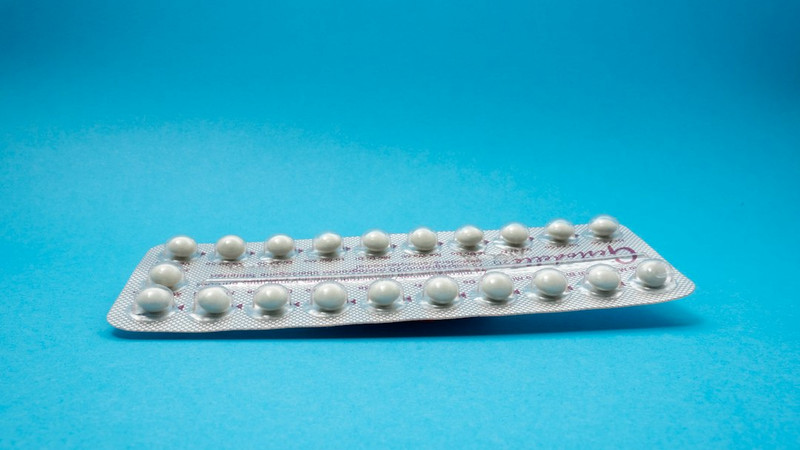
Hormonal birth control — the pill, the patch, the ring — works by delivering synthetic hormones that prevent ovulation. When you stop, those synthetic hormones clear your system within days.
Your body then has to restart its own hormone production. For many women, this happens quickly. For others, it takes a few months for the brain, ovaries, and uterus to get back into their natural rhythm.
According to the Cleveland Clinic, most women resume ovulation within one to three months of stopping the pill, though it can occasionally take longer.
Your Period May Be Unpredictable at First
Don't be surprised if your first few cycles are irregular. Your body is recalibrating, and that takes time.
Some women experience a heavier flow or more cramping than they remember. Others notice their cycle is shorter or longer than it was before they started birth control. The American College of Obstetricians and Gynecologists notes that it's normal for cycles to take a few months to settle into a consistent pattern.
If your period doesn't return within three months of stopping, or if you have concerns, that's worth a conversation with your doctor.
Skin and Hair Changes Are Common
Hormonal birth control often reduces acne by lowering androgen levels — the hormones that drive oil production. When you stop, androgen levels can rebound, and for some women, breakouts return.
Similarly, some women notice increased hair shedding in the months after stopping. This is typically temporary and related to the hormonal shift, not permanent hair loss. However, if changes seem significant or prolonged, checking in with a dermatologist or your OB-GYN is a smart move.
Mood and Libido May Shift Too
Synthetic hormones affect brain chemistry, and some women notice mood changes — both while on hormonal birth control and after stopping. Some feel emotionally steadier off the pill; others experience a period of adjustment.
Libido can also change. Some research has suggested that certain hormonal contraceptives may affect sex drive in some women, though the evidence is mixed and individual responses vary widely. The Mayo Clinic acknowledges that mood and libido changes are real experiences that are worth discussing openly with a healthcare provider.
Fertility Returns Faster Than Many Expect
Here's something that catches many people off guard: you can get pregnant very quickly after stopping hormonal birth control — sometimes within the first month, before you even have a regular period.
If pregnancy is not your goal right now, it's important to have a backup plan in place from your very first day off birth control. Talk to your doctor about non-hormonal options if you want to give your body a break from synthetic hormones while still preventing pregnancy.
If pregnancy is your goal, most women who were ovulating before starting birth control return to their baseline fertility relatively quickly. Age, underlying health conditions, and the type of contraception used can all affect the timeline.
Long-Acting Methods Have Their Own Timeline
Not all birth control is the same when it comes to bouncing back. The pill, patch, and ring clear your system within days. Hormonal IUDs and implants also allow for a relatively quick return to fertility after removal.
The exception is the birth control shot (Depo-Provera). According to the American College of Obstetricians and Gynecologists, it can take anywhere from six months to over a year for regular ovulation to resume after stopping injectable contraception. This is an important factor to weigh if you're planning to conceive in the near future.
The Bottom Line
Stopping birth control sets off a real hormonal transition, and your body may need a few months to find its new normal. Expect some variability in your cycle, and don't be alarmed by temporary changes in your skin, mood, or energy. Most of what you experience in the first one to three months is your body recalibrating — not something going wrong. That said, if anything feels off or persists, your doctor is the right person to talk to. You know your body. Trust it, track what you notice, and get answers when you need them.
