

Your Aching Knees May Have More Options Than You Think
Surgery isn't always the answer — and a growing body of research is showing what actually works for knee osteoarthritis.
If your knees have been aching, you may have assumed it's just a matter of time before you end up on an operating table. But new research is changing that story. Several non-surgical approaches are showing real promise for people living with knee osteoarthritis — the most common form of joint disease in adults over 40.
What's Actually Happening in Your Knee
Osteoarthritis isn't just "wear and tear," though that phrase gets used a lot. It's a breakdown of the cartilage that cushions the joint, often accompanied by inflammation, bone changes, and pain that can range from a dull ache to something that stops you in your tracks.
An estimated 32.5 million adults in the United States live with osteoarthritis, according to the Centers for Disease Control and Prevention, and the knee is one of the most commonly affected joints. Historically, the options were: manage it as long as you can, then get surgery. New research suggests there's a lot more to explore in between.
Exercise Is Still One of the Strongest Tools
Here's the kicker: moving more — not less — is one of the most well-supported ways to manage knee osteoarthritis pain. The American College of Rheumatology strongly recommends exercise as a first-line treatment, and multiple large reviews have backed this up.
Strengthening the muscles around the knee, particularly the quadriceps at the front of the thigh, helps take some of the load off the joint itself. Low-impact options like walking, swimming, cycling, and tai chi have shown consistent benefits in clinical trials, with improvements in both pain and physical function.
A major review published in Arthritis & Rheumatology found that land-based exercise therapy produced meaningful pain reduction in people with knee osteoarthritis. Water-based exercise showed similar benefits, with the added advantage of being easier on joints for people with significant pain or mobility limitations.
Weight Loss: Even a Little Goes a Long Way
Extra body weight puts added pressure on the knee joint with every step. Research suggests that losing as little as 10 percent of body weight can meaningfully reduce knee pain and slow the progression of osteoarthritis in people who are overweight.
A landmark study published in the New England Journal of Medicine found that a combination of diet and exercise produced greater reductions in knee pain and better physical function than either approach alone in overweight and obese older adults with knee osteoarthritis. The study followed about 450 participants over 18 months, making it one of the more robust trials in this space.
This doesn't mean dramatic weight loss is required. Even modest changes in body composition can reduce the mechanical stress that drives cartilage breakdown over time.
What About Injections? The Evidence Is Mixed
Cortisone shots have been a go-to for knee pain for decades, and they can provide meaningful short-term relief. But research suggests the benefit tends to fade after a few weeks to months, and there are questions about whether repeated injections may accelerate cartilage loss over time. This is an active area of debate among orthopedic specialists, and the right approach depends on the individual.
Platelet-rich plasma, or PRP, injections — where a concentrated portion of your own blood is injected into the joint — have drawn considerable research interest. Some trials have shown promising results for pain relief compared to placebo or corticosteroid injections, but the evidence is still considered emerging. Study sizes vary, methods differ across trials, and the American College of Rheumatology currently lists PRP as a treatment with conditional or uncertain recommendation status, meaning the evidence is not yet strong enough to make a firm call.
If you're considering any injection therapy, a conversation with your doctor or a rheumatologist is the right starting point.
Bracing, Orthotics, and Physical Therapy
Sometimes the answer is as simple — and as overlooked — as better support. Knee braces designed to offload pressure from the affected compartment of the joint have shown benefit in some patients, particularly those with arthritis concentrated on one side of the knee.
Shoe insoles and orthotics are another area of ongoing research. The evidence is mixed on whether they significantly reduce pain for most people, but for individuals with gait abnormalities or alignment issues, they may help.
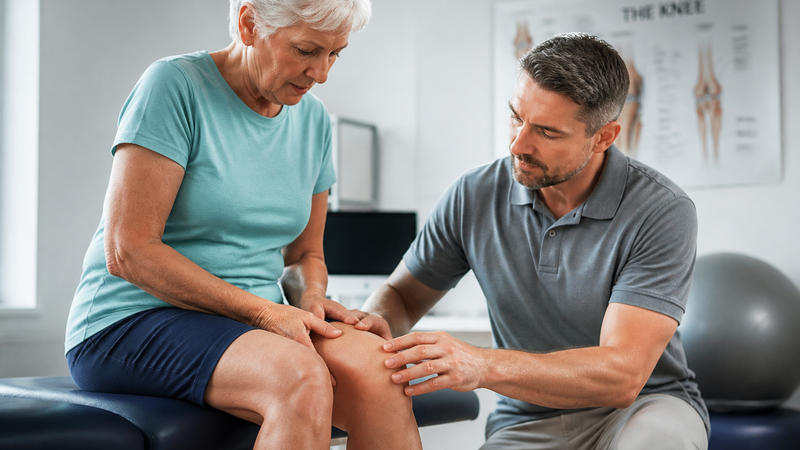
Physical therapy remains one of the most consistently recommended non-surgical approaches. A skilled physical therapist can identify muscle imbalances, teach proper movement mechanics, and build a personalized exercise program — all of which can make a measurable difference in day-to-day function and pain levels.
When Surgery Does Make Sense
None of this means knee replacement surgery is off the table. For people with severe joint damage and significant loss of function, total knee replacement is a well-established procedure with strong outcomes data. The goal of non-surgical approaches isn't to avoid surgery forever — it's to maximize your quality of life now, potentially delay surgery until it's truly necessary, and go into any procedure in the best possible physical condition.
The key is working with your medical team to find the right combination of strategies for your specific situation.
The Bottom Line
If you have knee osteoarthritis, surgery is not your only option — and it may not be your best first step. A growing body of evidence supports exercise, weight management, and physical therapy as effective tools for reducing pain and improving function. Talk with your doctor about which non-surgical approaches make the most sense for where you are right now.
