

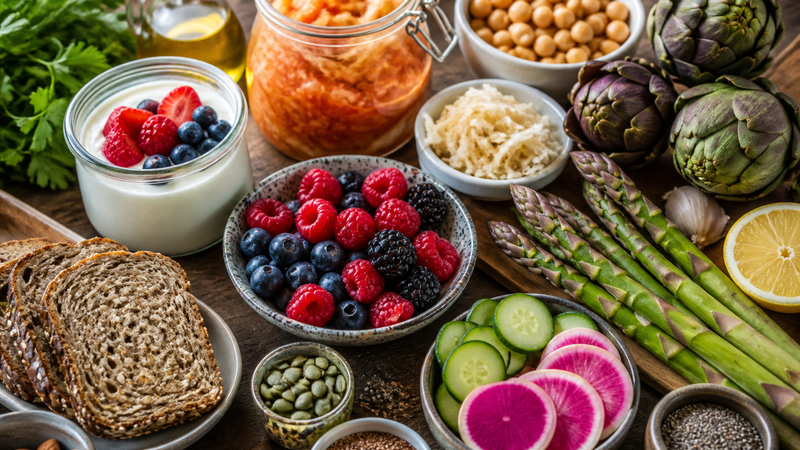
What Gastroenterologists Really Want You to Eat for a Healthier Gut
Gastroenterologists say two simple food strategies may do more for your gut than any supplement on the shelf.
You've heard the word "probiotics" so many times it's practically background noise. But what does the science actually say about keeping your gut healthy — and what do the doctors who specialize in digestive health really recommend? The answers may surprise you.
Your Gut Is Its Own Ecosystem
Inside your digestive tract live trillions of bacteria, fungi, and other microorganisms. Scientists call this the gut microbiome, and it does far more than digest your lunch. Research has linked a diverse, well-balanced microbiome to better immune function, lower inflammation, improved mood, and even a reduced risk of certain chronic diseases.
The problem? Modern diets — high in processed foods and low in variety — can quietly chip away at that microbial diversity over time.
The Case for Fermented Foods
A landmark 2021 study published in the journal Cell, led by researchers at Stanford University, put fermented foods to a rigorous test. In a randomized controlled trial of 36 healthy adults, one group ate a high-fermented-food diet — including yogurt, kefir, fermented cottage cheese, kimchi, and kombucha — for ten weeks. The other group ate a high-fiber diet.
The fermented-food group showed a measurable increase in microbiome diversity and a decrease in 19 proteins associated with inflammation. The fiber group did not see the same shift — though researchers noted that fiber feeds existing gut bacteria and supports other important health functions.
It's worth noting this was a small study of 36 participants, and the researchers acknowledge that longer studies with larger groups are needed. Still, gastroenterologists and nutrition scientists are paying attention to these findings.
What Counts as a Fermented Food?
Not everything labeled "probiotic" on a grocery shelf has the same effect. Fermented foods that contain live, active cultures are the ones researchers study most closely. Some good options to know:
- Yogurt — Look for "live and active cultures" on the label
- Kefir — A fermented milk drink with a broader range of bacterial strains than most yogurts
- Kimchi and sauerkraut — Fermented vegetables that also deliver fiber
- Miso — A fermented soybean paste commonly used in soups
- Kombucha — A fermented tea, though sugar content varies widely by brand
Heat can kill beneficial bacteria, so fermented foods are most effective when not cooked at high temperatures.
Fiber Is Still Non-Negotiable
Here's the kicker: fermented foods and fiber aren't competitors. They work differently, and most gastroenterologists recommend both.
Fiber acts as a prebiotic — meaning it feeds the beneficial bacteria already living in your gut. The American Gastroenterological Association and most major dietary guidelines recommend 25 to 38 grams of fiber per day for adults, but most Americans get roughly half that amount.
Foods high in prebiotic fiber include garlic, onions, leeks, asparagus, bananas, oats, and legumes like lentils and chickpeas. Whole grains, berries, and artichokes are also strong sources. Adding variety matters: different plant foods feed different bacterial strains, which supports overall microbial diversity.
What About Probiotic Supplements?
The supplement aisle is full of probiotic capsules making bold claims. The science here is more complicated. The American Gastroenterological Association's 2020 clinical guidelines noted that evidence for probiotic supplements is strain-specific and condition-specific — meaning a probiotic that helps one person with one condition may not help another person at all.
For generally healthy adults without a specific digestive condition, many gastroenterologists say whole fermented foods are a reasonable first step — and the research base behind them is growing. If you have a digestive condition like irritable bowel syndrome or inflammatory bowel disease, talk with your gastroenterologist before starting any supplement regimen, as the right approach will depend on your individual situation.
Simple Ways to Add Both to Your Day
You don't need a dramatic diet overhaul. Small, consistent changes add up over time.
- Swap your morning yogurt for one with live cultures and top it with berries and a sprinkle of ground flaxseed
- Add a small side of kimchi or sauerkraut to lunch or dinner a few times a week
- Use lentils or chickpeas as a base for salads or soups instead of refined grains
- Replace white bread with whole grain or sourdough (traditionally fermented sourdough may offer modest benefits, though more research is needed)
- Try kefir as a base for a smoothie — it blends well with fruit and adds a mild tang
The Bottom Line
You don't need a cabinet full of supplements to support a healthier gut. The research — including a notable Stanford-led study published in Cell — suggests that regularly eating fermented foods with live cultures may boost microbial diversity and reduce markers of inflammation. Pairing that with a high-fiber diet rich in vegetables, legumes, and whole grains gives your gut bacteria something to thrive on. Start with small, consistent swaps, and if you have a digestive condition, bring these questions to your doctor for guidance tailored to you.
