
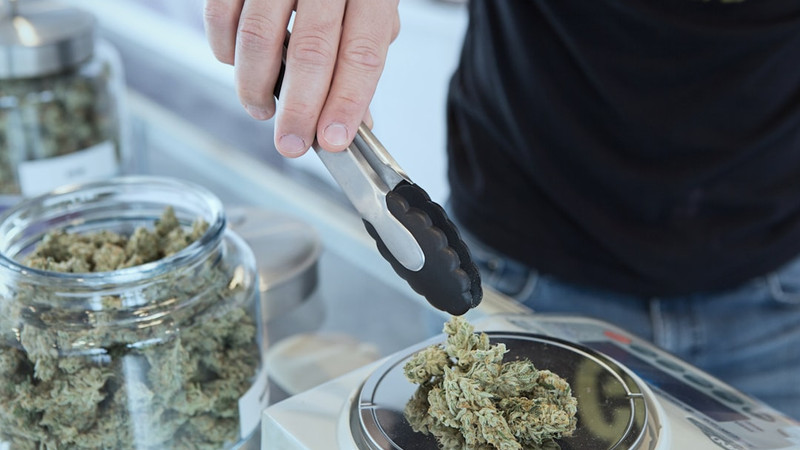
Walk into almost any legal cannabis dispensary, and you will see marijuana marketed as a sleep aid. Edibles, tinctures, and vape products promise relaxation and deeper rest. Millions of people report that cannabis helps them fall asleep faster.
But the scientific evidence tells a more complicated story.
Sleep researchers say cannabis may make it easier to drift off initially, yet the overall quality of sleep may not improve — and in some cases could worsen.
What Sleep Researchers Are Finding
The American Academy of Sleep Medicine advises caution when using cannabis for sleep because strong clinical evidence remains limited.
A research review published in The Journal of the American Medical Association found little consistent evidence that cannabis meaningfully improves sleep problems, despite widespread claims.
One reason for the uncertainty is that cannabis research has historically been difficult to conduct in the United States. For decades, marijuana was classified as a Schedule I drug, which limited access to research-grade cannabis and slowed large clinical trials.
As legalization has expanded across many states, research activity has increased. Even so, many existing sleep studies remain small or decades old, making it difficult to draw firm conclusions.
How Cannabis Influences Sleep Cycles
Cannabis contains hundreds of biologically active compounds. The two most widely studied are THC and CBD, both of which interact with the body’s endocannabinoid system — a network involved in regulating sleep and wakefulness.
Some studies suggest cannabis can shorten the time it takes to fall asleep. Researchers have also observed temporary increases in slow-wave sleep, the deep sleep stage associated with physical recovery.
However, other research indicates cannabis may reduce REM sleep, the phase linked to dreaming, memory processing, and emotional regulation.
Because REM sleep plays an important role in brain health, disrupting it regularly could affect overall sleep quality.
Researchers also report that tolerance can develop quickly, meaning some users increase their dose over time to achieve the same effect.
What Happens When People Stop Using It
Sleep scientists have observed another pattern among regular cannabis users who suddenly stop.
Some experience temporary sleep disruption, including difficulty falling asleep and frequent nighttime waking.
Scientists believe this occurs because cannabis influences the brain’s endocannabinoid system. When cannabis use stops, that system may temporarily shift toward heightened alertness before rebalancing.
Why It Still Feels Like It Works
Despite mixed scientific evidence, many people remain convinced that cannabis helps them sleep.
Researchers say perception may explain part of the disconnect.
People often judge sleep quality based on how quickly they fall asleep or how they feel the next morning. If cannabis shortens the time it takes to drift off, that can create the impression of a better night — even if deeper stages of sleep do not improve.
Expectations may also play a role. Sleep research frequently shows placebo effects, particularly when people strongly believe a product will help them rest.
Evidence-Based Ways to Support Better Sleep
Sleep specialists emphasize that ongoing sleep difficulties often stem from multiple factors, including stress, lifestyle habits, medications, and underlying health conditions.
Consistent routines — such as maintaining a regular bedtime, limiting late-night screen exposure, and allowing time to unwind before bed — remain among the most reliable ways to support healthy sleep patterns.
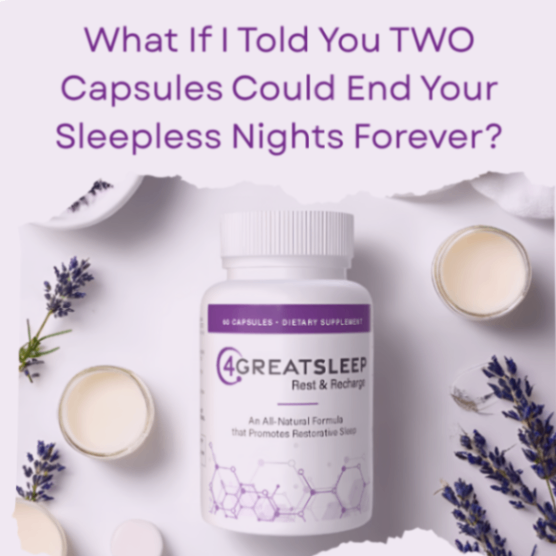
Some people also explore supplements designed to support relaxation and healthy sleep cycles. Products such as 4GreatSleep* combine ingredients commonly studied for their role in supporting normal sleep rhythms and nighttime relaxation. Supplements may help reinforce healthy sleep habits when used alongside consistent bedtime routines.
This article is for informational purposes only and does not constitute medical advice. It should not be used to diagnose, treat, cure, or prevent any disease. Always consult a qualified healthcare professional regarding any medical concerns or symptoms.
*These statements have not been evaluated by the Food and Drug Administration. This product is not intended to diagnose, treat, cure, or prevent any disease. Individual results may vary.
Keith Ablow and Kathryn Munoz are co-founders of 4VitaHealth and may receive financial benefit from the sale of its products

