

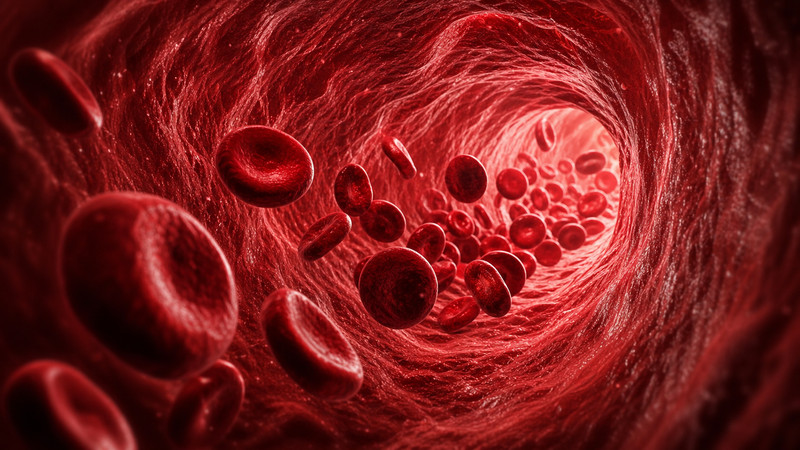
Nitric oxide does not sound like something you want in your body.
In reality, this tiny gas is one of the most important messengers you make, and when you do not make enough of it, your heart, brain, circulation, and even your energy can feel the hit.
What nitric oxide actually does inside you
Nitric oxide, often shortened to NO, is a signaling molecule your body produces every day.
Its main job is to tell blood vessels to relax and open up, which lets more blood, oxygen, and nutrients move where they need to go.
When nitric oxide is working well, it helps:
- Keep arteries flexible instead of stiff and narrow
- Lower blood pressure so your heart does not have to fight as hard to pump
- Improve blood flow to the brain, heart, muscles and the genitals
It also shows up in less obvious places.
Nitric oxide helps immune cells kill off bacteria and viruses, affects how your airways open when you breathe, and plays a role in how your kidneys filter blood.
You do not feel nitric oxide directly, but you feel what happens when your levels are chronically low: higher blood pressure, poorer circulation, slower workouts, and, in some people, erectile dysfunction.
How nitric oxide supports your heart and circulation
The inside lining of your blood vessels, called the endothelium, makes nitric oxide.
When NO is released, it diffuses into the smooth muscle around those vessels and tells it to relax, which widens the vessel and improves flow.
That relax signal is a big part of why nitric oxide is considered essential for:
- Healthy blood pressure
- Lower risk of clots and plaque buildup
- Better delivery of oxygen to working muscles and organs
When nitric oxide production is blocked or impaired, blood pressure tends to rise, and arteries become stiffer, which is exactly what you do not want over the long term.
On the flip side, when NO production improves, blood vessels usually behave more like they should, widening when needed and helping your heart work more efficiently.
Why athletes and men’s health doctors care about nitric oxide
Because nitric oxide widens blood vessels and improves flow, it shows up in two places people really notice, the gym and the bedroom.
On the performance side:
- Better blood flow means your muscles can get oxygen and nutrients faster and clear waste products more efficiently, which may let you push a little harder and recover a little better.
- Nitrate-rich foods, such as beetroot and leafy greens, have been linked in research to small but real improvements in exercise performance and time to exhaustion in some people.
On the sexual health side:
- Erections depend on blood vessels opening up and filling tissue with blood.
- Nitric oxide is a major part of that signal, so low NO can show up as difficulty getting or keeping an erection, while better NO signaling often improves function when poor blood flow is part of the problem.
That is why you see nitric oxide support discussed both in sports performance circles and in men’s health.
Some men do notice better workouts or improved erections when they address factors that blunt nitric oxide, especially if their baseline diet and circulation were poor.
Natural ways to support nitric oxide
You make nitric oxide from what you eat and how you move, long before you ever open a supplement bottle.
Two big drivers are nitrate-rich foods and physical activity.
Foods that tend to help include:
- Leafy greens like spinach, arugula, lettuce, and bok choy
- Beetroot and beet juice
- Other vegetables naturally high in nitrates, such as some lettuces and celery
Your body can convert the nitrates in these foods into nitric oxide, and multiple human studies have shown that eating more of them can lower blood pressure and improve certain measures of exercise performance in at least some people.
Other habits that support nitric oxide production:
- Regular exercise, even walking, because moving your body stimulates the endothelium to make more nitric oxide
- Avoiding heavy use of strong antiseptic mouthwashes, which can kill mouth bacteria that help convert nitrates from food into nitric oxide
- Not smoking, since tobacco smoke damages the cells that produce NO and stiffens arteries over time
For many otherwise healthy people, a consistent, plant-rich diet and basic movement are enough to help keep nitric oxide production in a reasonable range without ever touching a supplement.
What about nitric oxide supplements
Most “nitric oxide supplements” do not contain nitric oxide itself.
They usually contain ingredients that your body can use to make more of it, such as L arginine, L citrulline or concentrated nitrates from beetroot.
Research on these products shows a mix of results, but some studies have found:
- Modest blood pressure reductions in certain people with hypertension
- Improved measures of arterial flexibility
- Small boosts in exercise performance or reduced fatigue in some athletes
- Better erectile function in some men when circulation issues and low NO are part of the picture
There are important cautions:
- Not everyone responds, and the size of the effect, when it happens, is often modest.
- Supplements are not regulated like prescription drugs, so quality and dosing can vary a lot between brands.
- People on blood pressure medications, blood thinners, erectile dysfunction drugs, nitrates for chest pain, or with heart disease need to be very careful, because combining vasodilators can cause drops in blood pressure or other problems.
If you are curious about nitric oxide support and you have health conditions or take medication, talk with your clinician first.
They can help you decide whether focusing on food and exercise is enough or whether a specific, reputable supplement might make sense in your case.
The information in this article is for educational purposes only and is not a substitute for professional medical advice, diagnosis, or treatment. Always talk with your health care provider before starting any new supplement, changing your medications, or making major changes to your diet or exercise routine. Individual results will vary.

