

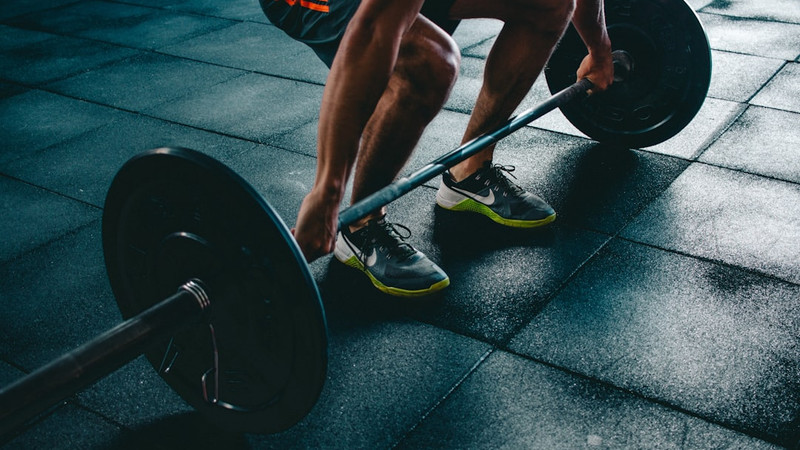
For years, the fitness industry has sold Americans on a simple idea: if some exercise is good, more must be better. More workouts, more sets, more reps, and more hours in the gym became the unofficial formula for health, longevity, and aging well.
But a major new study suggests that when it comes to strength training, the biggest benefits may come from a surprisingly modest amount of effort.
Researchers publishing in the British Journal of Sports Medicine followed more than 147,000 U.S. adults across three large health studies spanning up to 30 years. Their goal was straightforward: determine whether resistance training — including weightlifting, weight machines, and other forms of strength exercise — influenced the risk of dying from major diseases over time.
What they found challenges the notion that spending countless hours in the gym is necessary to protect long-term health.
The greatest benefits were observed among people who performed roughly 90 to 119 minutes of resistance training each week, or less than 2 hours total. Compared to people who did no strength training, those who fell within that range experienced a 13% lower risk of death from any cause, a 19% lower risk of death from cardiovascular disease, and a remarkable 27% lower risk of death from neurological diseases.
The neurological finding is particularly interesting because scientists are increasingly discovering that muscle health and brain health are deeply connected. While most people associate strength training with building muscle or improving appearance, researchers now recognize that muscle functions as a highly active metabolic tissue that communicates with the rest of the body in ways that extend far beyond movement.
As a nutritional biochemist, I’ve long viewed muscle as one of the most underrated organs of healthy aging. Muscle helps regulate blood sugar, improves insulin sensitivity, supports healthy hormone signaling, and produces compounds known as myokines, which influence inflammation and may even affect brain function. Maintaining muscle mass also becomes increasingly important as we age because the natural decline in muscle that begins in midlife is linked to frailty, falls, disability, and loss of independence later on.
In many ways, the conversation around longevity has focused heavily on what people eat while overlooking what may be equally important: preserving the muscle that helps the body use those nutrients effectively.
The study uncovered another finding that many gym enthusiasts may not expect.
Researchers found that exceeding approximately 120 minutes of weekly resistance training did not appear to produce additional reductions in overall mortality risk. That doesn’t mean extra strength training is harmful, nor does it suggest people should stop exercising once they reach the two-hour mark. Many people lift weights to improve athletic performance, build strength, increase muscle mass, or simply because they enjoy it.
What the data suggest, however, is that the greatest return on investment for longevity may occur well before most people think.
For someone trying to improve long-term health, two 45- to 60-minute strength-training sessions each week may capture much of the benefit observed in the study.
That should come as welcome news to people who feel overwhelmed by fitness advice or believe they don’t have enough time to exercise. One of the biggest barriers I hear about is the perception that getting healthier requires hours in the gym every week. Studies like this suggest otherwise.
The researchers also examined aerobic exercise such as walking, swimming, and cycling. Unsurprisingly, those activities continued to show strong benefits of their own. In fact, the lowest overall mortality risk occurred among people who combined regular aerobic activity with moderate amounts of resistance training.
That’s an important distinction because fitness trends often create unnecessary competition between cardio and strength work. One year, cardio is supposedly the key to longevity. The next year, strength training becomes the new star. The reality is far less dramatic and the human body benefits from both.
Aerobic exercise strengthens the cardiovascular system, improves endurance, and supports metabolic health. Strength training preserves muscle, maintains functional independence, and helps protect against age-related decline. Together, they create a foundation that appears far more powerful than either one alone.
Perhaps the most encouraging aspect of this study is that it doesn’t require extreme behavior. You don’t need to become a bodybuilder. You don’t need complicated training programs or expensive equipment. Resistance bands, free weights, weight machines, and body-weight exercises can all contribute to building and maintaining strength.
What matters most is consistency.
The muscles you build in your 40s, 50s, and 60s are not merely helping you move better today. They may be helping protect your heart, your brain, and your independence decades down the road.
Every year seems to bring a new longevity trend promising extraordinary results. Some require expensive testing. Others demand restrictive diets or complicated biohacking protocols. This study offers something refreshingly simple.
Less than two hours of strength training each week may be enough to meaningfully improve your odds of living a longer, healthier life.
That’s a goal most of us can realistically achieve, and according to the science, it may be one of the smartest investments we can make in our future selves.
Medical Disclaimer:
This article is for informational purposes only and does not constitute medical advice. Always consult a qualified healthcare professional regarding any medical concerns.

