

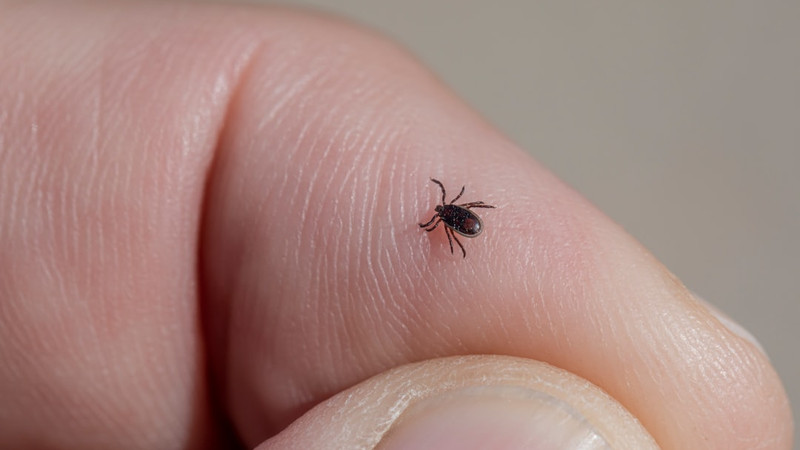
Ticks are having a big year, and ERs are seeing it. More tick bites mean more people suddenly asking the same question: What do I do now?
First: get the tick off
Remove the tick as soon as you spot it.
Use fine-tipped tweezers, grab it close to the skin, and pull straight up with steady pressure.
Skip matches, petroleum jelly, and other home tricks. They can make the tick release more potentially infectious fluid into your skin.
Drop the tick in a clear, sealable bag, then wash the bite and your hands with soap and water or alcohol.
Next: figure out your risk
Different ticks live in different regions and carry different pathogens.
If you can, get the species identified and estimate how long it was attached. That can help guide what happens next.
In Lyme-heavy areas, a black-legged tick attached for roughly 36 hours or more may qualify you for a one-time preventive dose of doxycycline if you are within 72 hours of removing it.
Then: watch your body
Tick testing can show what the tick was carrying, but it cannot guarantee whether you were infected.
For the next 30 days, watch for fever, rash, or flu-like illness. If anything shows up, call a clinician quickly and mention the bite.
If symptoms are severe, such as confusion, trouble breathing, or a very bad headache, seek emergency care.
Finally: make this your last tick scare
If you live in tick country, prevention is your best long-term move: repellent, treated clothing, and full-body checks after hikes or yard work.
Local health departments can tell you which tick species are common where you live and how often they carry specific infections.
Tick-bite checklist
Remove the tick right away with fine-tipped tweezers
Pull straight up, slowly and steadily.
Do not burn it, smother it, twist it, or crush it.
Save the tick in a sealed bag or container.
Clean the skin and your hands.
Try to identify the tick and estimate how long it was attached.
Call your doctor if you are in a Lyme-risk area and think it was attached long enough to matter.
Watch for fever, rash, body aches, fatigue, or flu-like symptoms over the next 30 days.
Get medical care quickly if symptoms show up.
The information in this article is for educational purposes only and is not a substitute for professional medical advice, diagnosis, or treatment. If you develop a rash, fever, flu-like symptoms, severe headache, trouble breathing, weakness, confusion, or other concerning symptoms after a tick bite, seek medical care promptly. Always talk with your health care provider about questions related to Lyme disease, other tick-borne infections, testing, and treatment.

