
A plastic chemical hiding in everyday products is raising new questions about how early‑life exposure might shape anxiety later on.
The study that set this off
Male rats exposed to di-(2-ethylhexyl) phthalate, or DEHP, before and just after birth grew up more anxious.
They avoided open spaces, clung to enclosed areas, and froze more often on a standard lab test, even long after exposure stopped.
Why it matters outside the lab
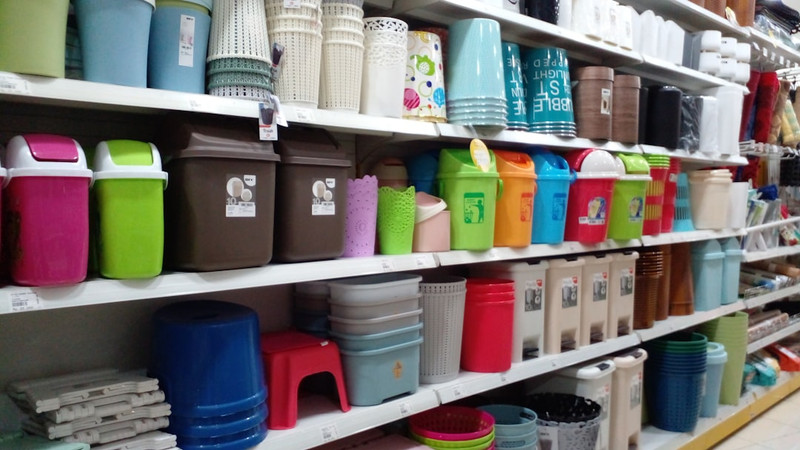
DEHP helps keep plastics soft and flexible, and shows up in things like medical tubing, vinyl flooring, shower curtains, rainwear, and some toys.
Because it is not tightly bound to the plastic, small amounts can leach into food, dust, and the surrounding environment over time.
Human studies cannot prove cause and effect, but higher phthalate exposure during pregnancy has been linked to differences in children’s behavior and emotional regulation in some groups.
What might be happening in the brain
In the same rat work, dialing up GABA, the brain’s main calming system, or giving testosterone eased the anxiety‑like behavior.
That points toward hormone and neurotransmitter pathways as likely targets, not just “nervous rats” or a stressful testing setup.
The takeaway
Right now, the strongest evidence is still in animals, and human data are association‑only, not proof that DEHP causes anxiety disorders.
But the pattern is consistent enough that many experts say it makes sense to limit avoidable exposure, especially during pregnancy and early life, when simple swaps away from flexible plastics are easy.

