

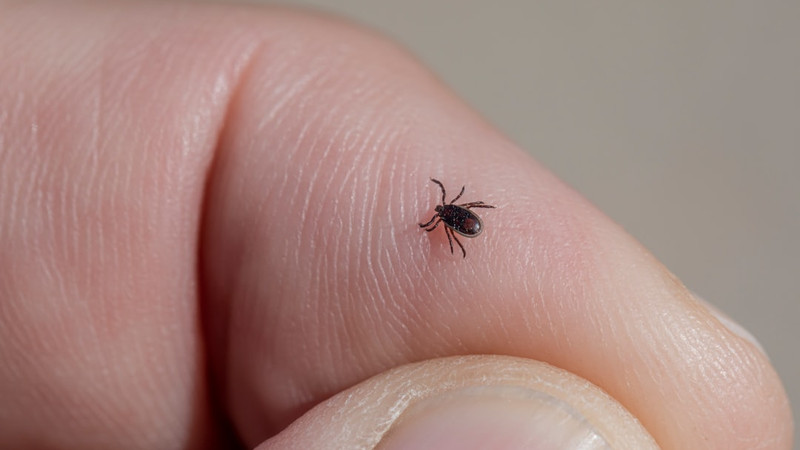
Tick‑bite emergency room visits are climbing to the highest seasonal levels seen in years, and doctors are worried that Lyme and other tick‑borne diseases are about to spike right along with them. This is not just a “New England in July” problem anymore — the risk zone is expanding, and the age groups showing up in ERs are at both ends of the life span.
Tick bite visits are up sharply — especially in kids and older adults
Recent national data show that for every 100,000 ER visits in April, about 71 were related to tick bites, more than double the usual seasonal average. That makes this the busiest early tick season since the late 2010s in many regions.
Some of the highest tick‑related ER visit rates are showing up in children younger than 10 and adults in their 70s, two groups that are already more vulnerable to serious infection and complications. For kids, that often means more time playing in grass and woods; for older adults, it can mean weaker immune defenses and delayed recognition of early symptoms.
How ticks are expanding their territory
The blacklegged tick, the primary carrier of Lyme disease, has been steadily marching into new regions over the past three decades. Areas that once saw very few Lyme cases, such as parts of the Ohio River Valley, are now reporting dramatic increases, in some places approaching a tenfold rise over a decade. States like Virginia and West Virginia, along with regions just south of traditional Lyme hotspots, are now reporting more ticks and more disease.
It is not just blacklegged ticks. The lone star tick, long associated with the Southeast, is pushing northward. That brings diseases like ehrlichiosis and alpha‑gal syndrome — the red‑meat allergy triggered by tick bites — into areas where many clinicians and residents are still not used to thinking about them.
Several forces are driving this spread:
Warmer, wetter conditions are allowing ticks to survive in places that used to be too cold or too dry.
Milder winters mean more ticks and more small animals surviving from year to year, feeding the tick life cycle.
Land development and suburban sprawl are pushing people deeper into wooded and grassy habitats.
Recovering deer populations — and dense white‑tailed deer in particular — are giving adult ticks abundant hosts to feed and reproduce.
Put simply, more ticks are living longer, in more places, with more chances to bite humans.
The growing list of tick‑borne threats
Lyme disease is still the best-known tick‑borne infection in the U.S., and its numbers continue to climb, with hundreds of thousands of Americans diagnosed and treated each year. But Lyme is only one part of the picture.
Ticks can also transmit:
Anaplasmosis and ehrlichiosis are two bacterial infections that can cause high fevers, low blood counts, and serious illness if not treated.
Babesiosis is a parasite that infects red blood cells and can be dangerous for people with weaker immune systems or underlying blood conditions.
Alpha‑gal syndrome is a condition in which a tick bite triggers a delayed but sometimes severe allergic reaction to red meat and other mammal products.
Viral infections such as Powassan virus can lead to rapid‑onset neurologic problems and, in some cases, permanent brain injury.
Classic early symptoms of many tick‑borne illnesses overlap heavily: fever, chills, fatigue, headache, muscle aches, and joint pain. Lyme disease can produce the familiar bull’s‑eye rash, but not everyone gets it, and it does not always look textbook‑perfect.
One especially concerning detail: some viruses, like Powassan, may be transmitted within minutes of tick attachment, not after the many hours often quoted for Lyme. That underlines why prevention and early removal matter so much.
How to protect yourself and your family this tick season
The goal is not to keep people indoors all summer. It is to make time outside safer and to know what to do quickly if a tick bites.
Dress with ticks in mind. When you are in brush, tall grass, or woods, wear long sleeves, long pants tucked into socks, and closed shoes, especially for kids. Light‑colored clothing makes ticks easier to spot.
Use repellents correctly. Apply EPA‑registered repellents on exposed skin as directed. Treat clothing and gear with permethrin if you will be in high‑risk areas.
Do daily tick checks. After outdoor time, check the entire body — scalp, behind ears, under arms, waistband, groin, backs of knees, between toes. For children and older adults, have someone else help.
Shower after outdoor exposure. A shower within a couple of hours can help wash off ticks that have not attached yet, and it is a good time to do a thorough skin check.
Remove ticks promptly and properly. Use fine‑tipped tweezers to grasp the tick close to the skin and pull upward with steady pressure. Do not twist, burn, or coat it with substances that can cause it to regurgitate. Clean the area and your hands with soap and water or alcohol afterward.
Watch for symptoms. Over the next few days to weeks, pay attention to fever, fatigue, new headaches, rashes, joint pain, or flu‑like symptoms, and tell your clinician about any recent tick bites or outdoor exposure.
For people living in or traveling to higher‑risk regions, it is worth talking with a healthcare professional about local tick‑borne diseases, when to seek evaluation after a bite, and whether certain situations might warrant preventive antibiotics.
Medical Disclaimer: This article is for educational purposes only and is not medical advice. Anyone who has been bitten by a tick, develops fever, rash, flu‑like symptoms, or neurologic changes, or lives in an area with known tick‑borne diseases should consult a qualified healthcare professional promptly for evaluation and treatment.

