

That Herbal Sleep Aid You Take Every Night Could Be Habit-Forming
Millions of people reach for herbal sleep supplements assuming they are completely safe to use every night — but the science tells a more complicated story.
You probably think of herbal sleep supplements as the safe, gentle option. No prescription needed, no harsh chemicals, nothing habit-forming. But researchers and pharmacologists have been taking a closer look at what some of these botanicals actually do in the brain — and the picture is more complicated than the label suggests.
The Supplements We Are Talking About
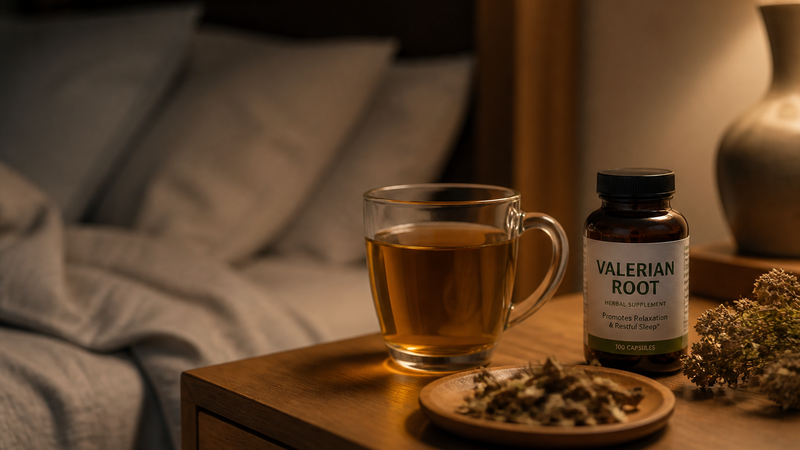
Valerian root is one of the most widely used herbal sleep aids in the United States and Europe. Kava, passionflower, and certain formulations of ashwagandha are also popular choices for people looking to wind down naturally.
These are not fringe products. They are sold in mainstream pharmacies and grocery stores, often right next to the melatonin. That familiarity can make them feel risk-free.
What These Herbs Actually Do in the Brain
Here is the part most people do not know. Valerian root contains compounds that appear to act on GABA receptors in the brain — the same receptor system targeted by prescription sedatives like benzodiazepines and the class of drugs that includes Valium and Xanax.
Kava also acts on GABA receptors, and some research has flagged it for a different reason: there are documented cases of serious liver toxicity associated with heavy or prolonged kava use, which led several European countries to restrict its sale at various points over the years.
This does not mean these herbs are equivalent to prescription drugs. Their effects are generally milder, and the evidence varies. But acting on the same receptor system that drives dependence in stronger medications is worth understanding before you take something every night.
What the Research Actually Shows
It is important to be honest about where the science stands: the evidence on dependence and withdrawal from herbal sleep aids is still limited. Most studies are small, short-term, or based on case reports rather than large clinical trials.
That said, there are published case reports of withdrawal symptoms — including increased anxiety, restlessness, and disrupted sleep — in people who stopped valerian after using it regularly for extended periods. Researchers have noted that these symptoms look similar in nature to withdrawal from other substances that act on GABA receptors, though typically less severe.
The key word in the research is "suggests." This is not proof that everyone who takes valerian will become dependent. It is a signal that regular, long-term use deserves more caution than the "it's just an herb" framing implies.
Why This Matters More After 40
Sleep problems become more common with age, which means adults over 40 are also the most likely to reach for a nightly sleep aid and keep using it. That long-term, habitual use is exactly the pattern researchers flag as most likely to create dependence — with any substance that affects the brain's sleep and calming systems.
There is also an interaction concern. Many adults in this age group take prescription medications, and herbal supplements are not always disclosed to doctors. Some sleep herbs can interact with blood thinners, antidepressants, and other common medications. Your pharmacist is a great resource for checking interactions.
Practical Steps If You Use a Herbal Sleep Aid Regularly
- Talk to your doctor if you have been using any herbal sleep supplement most nights for more than a few weeks. Let them know what you are taking and how often.
- Do not stop abruptly if you have been using valerian or kava heavily and for a long time. Ask your doctor about tapering slowly instead.
- Read the label. Herbal supplements are not regulated the same way prescription drugs are, so quality and dosage can vary significantly between brands.
- Consider addressing the root cause of your sleep problems. Cognitive behavioral therapy for insomnia, or CBT-I, has strong evidence behind it and is considered a first-line treatment by sleep medicine specialists — without any dependence risk.
- Try pairing any supplement use with sleep hygiene basics: consistent wake times, limiting screens before bed, and keeping your bedroom cool and dark.
The Bottom Line
Herbal sleep aids are not automatically safe just because they are natural. Valerian and kava in particular act on the same brain systems as some prescription sedatives, and there are early signals — though not yet definitive proof — that regular long-term use may carry some risk of dependence or withdrawal. If a nightly herbal supplement has quietly become a habit you feel you cannot sleep without, that is worth a conversation with your doctor.
