

Should Healthy Adults Under 50 Get a Full-Body MRI Scan?
Whole-body MRI scans are showing up in wellness clinics across the country — but are they a smart move for healthy adults, or a recipe for worry and unnecessary procedures?
You feel fine. You exercise, eat well, and get your annual checkup. So when a clinic offers a full-body MRI scan that promises to detect hidden disease before you feel a thing, it sounds like the ultimate peace-of-mind purchase. But leading medical organizations say the picture is more complicated — and what these scans find may cause more harm than good.
What a Full-Body MRI Actually Does
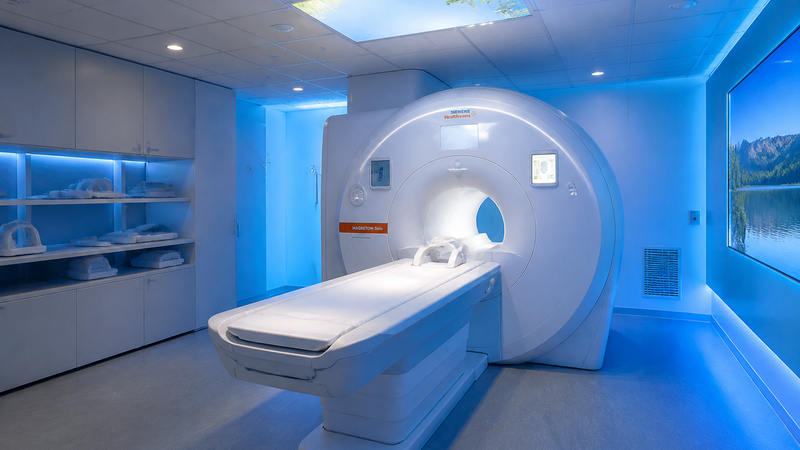
A whole-body MRI uses magnetic fields and radio waves to produce detailed images of your internal organs, blood vessels, bones, and soft tissues — all without radiation. The scan typically takes 45 to 90 minutes and can cost anywhere from $1,000 to $2,500 or more, almost never covered by insurance for healthy adults with no symptoms.
Companies marketing these scans — including several direct-to-consumer startups — position them as a proactive longevity tool. The pitch: catch cancer, aneurysms, or other serious conditions early, when they are easiest to treat.
What the Medical Community Has to Say
The American College of Radiology and the U.S. Preventive Services Task Force do not recommend whole-body MRI screening for people without symptoms or known risk factors. Their concern centers on a well-documented problem called incidental findings — abnormalities spotted on the scan that may look concerning but are ultimately harmless.
Studies have found that whole-body MRI scans in healthy adults produce incidental findings in a significant proportion of participants. Many of these findings — small cysts, benign nodules, anatomical variations — require follow-up imaging, biopsies, or other procedures that carry their own risks. This cascade of testing is sometimes called the overdiagnosis problem, and it is a serious one.
A review published in the journal Radiology noted that while MRI can detect real, actionable findings in some individuals, the rate of false alarms in asymptomatic populations is high enough to raise genuine concern about routine screening in otherwise healthy people.
The Real Risk: When a Clean Scan Isn't the Whole Story
Here's something the marketing materials don't always make clear: a normal full-body MRI does not mean you are free of disease. MRI has blind spots. It does not reliably detect some forms of cancer, including many colon cancers, and it cannot replace standard screenings like colonoscopies, mammograms, or Pap smears.
There is also a psychological dimension. Research suggests that some people who receive ambiguous results experience lasting health anxiety — the opposite of the peace of mind they were seeking. And some who get a clean result may feel falsely reassured, potentially skipping proven screenings they actually need.
Who Might Benefit — and Who Probably Won't
Whole-body MRI is a different story for people with elevated risk. Individuals with a strong family history of certain cancers, known genetic mutations like BRCA1 or BRCA2, or other specific risk factors may genuinely benefit from advanced imaging as part of a monitored medical plan. In those cases, the conversation belongs with a physician who knows your full history — not a walk-in wellness clinic.
For the average healthy adult under 50 with no symptoms and no significant family history, most medical evidence does not support routine whole-body MRI screening at this time. The key phrase is at this time — the science is evolving, and larger long-term studies are underway.
What You Can Do Right Now
If you are genuinely interested in getting ahead of disease, there are well-validated steps you can take today:
- Stay current on age-appropriate screenings your doctor recommends, including blood pressure, cholesterol, blood sugar, and cancer screenings appropriate to your age and sex.
- Know your family history and share it with your doctor. Some risk factors do warrant more advanced monitoring.
- Ask your physician whether any targeted imaging — not whole-body — makes sense for your specific situation.
- Invest in the lifestyle habits with the strongest evidence behind them: regular physical activity, a diet rich in whole foods, quality sleep, and not smoking.
If you are still curious about a full-body MRI after reading the evidence, talk with your doctor before booking one. They can help you weigh your personal risk profile against the real possibility of an anxiety-inducing false alarm.
The Bottom Line
Full-body MRI scans are a genuinely impressive technology — but impressive is not the same as proven for healthy, asymptomatic adults. Major medical organizations currently do not recommend them for routine screening, citing the high rate of incidental findings that lead to unnecessary follow-up and anxiety. If you have specific risk factors, talk with your doctor about whether targeted imaging makes sense for you. For everyone else, the most powerful preventive tools are still the basics: regular checkups, proven screenings, and healthy daily habits.
