
Atherosclerosis, the gradual buildup of plaque inside the arteries, drives heart attacks and strokes worldwide. Doctors have long viewed plaque reversal as extremely difficult once it begins. Lifestyle changes slow progression, and medications reduce risk, but meaningful plaque reduction has remained elusive.
Now, a large clinical study has put a spotlight on a naturally derived enzyme that may help the body address plaque buildup in a measurable way.
Researchers found that high-dose nattokinase supplementation correlated with a 36% reduction in arterial plaque size after one year.
What the study examined
The research followed 1,062 adults between ages 63 and 85 who had elevated cholesterol levels and early signs of atherosclerosis. Participants took 10,800 fibrinolytic units (FU) of nattokinase daily for 12 months.
Lower doses, including 3,600 FU per day, produced no meaningful changes. Only higher dosing appeared to correlate with improvements.
Researchers tracked lipid levels and carotid artery plaque using imaging and blood markers over the course of the study.
What is nattokinase?
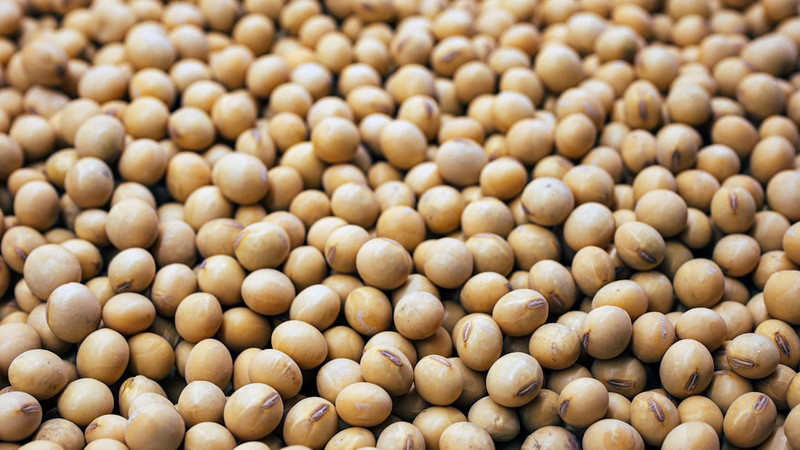
Nattokinase is an enzyme extracted from natto, a traditional Japanese food made from fermented soybeans. People in Japan have consumed natto for centuries, and population data links regular intake to lower cardiovascular mortality.
Nattokinase stands out because it supports several biological processes associated with cardiovascular health:
It breaks down fibrin, a protein involved in clot formation
It supports healthy blood flow
It associates with lower LDL cholesterol and triglyceride levels
Large observational studies have linked natto consumption to significantly lower death rates from heart disease, with some research suggesting reductions exceeding 40%.
What changed during the trial
After one year of high-dose supplementation, participants showed several favorable shifts:
Triglyceride levels declined
LDL cholesterol levels dropped
Carotid artery plaque size decreased by 36%
These changes matter because carotid plaque strongly predicts future heart attack and stroke risk.
The findings also suggest that effective dosing matters. Researchers concluded that daily intake between 6,000 and 12,000 FU appears necessary to see measurable effects — far more than many supplements currently provide.
Important limitations to consider
The results show promise, but they come with caveats.
The study did not include a placebo control group, which limits certainty about cause and effect. Researchers also did not closely track dietary changes, leaving open the possibility that some participants altered eating habits during the study.
All participants already carried cardiovascular risk, so researchers cannot yet confirm whether the findings extend to younger or healthier populations.
Future randomized, placebo-controlled trials will need to confirm these results.
What other research suggests
Additional studies have linked nattokinase to:
Lower blood pressure
Improved lipid profiles in certain groups
Enhanced natural clot-dissolving activity, even in healthy adults
These findings suggest nattokinase may support cardiovascular systems through multiple biological pathways rather than a single mechanism.
Should people consider nattokinase?
For individuals with elevated cholesterol, high blood pressure, or early plaque, nattokinase may offer a natural complement to standard cardiovascular care.
It does not replace lifestyle changes. Movement, diet quality, smoking cessation, alcohol moderation, and sleep remain essential.
Because nattokinase influences clot-related processes, people who take blood thinners, have bleeding disorders, or face upcoming surgery should consult a healthcare professional before use.
The takeaway
Plaque buildup has long resisted meaningful reversal. This study adds to growing evidence that high-dose nattokinase may influence arterial health in a measurable way, particularly in older adults with existing cardiovascular risk.
The findings do not prove a cure. They do, however, open the door to new conversations about how targeted nutritional compounds may support cardiovascular biology alongside lifestyle and medical care.
Medical Disclaimer
This article is for informational and educational purposes only and does not constitute medical advice. It is not intended to replace consultation with a qualified healthcare professional. Always seek the advice of a physician or other qualified health professional with any questions regarding a medical condition.
FDA Disclaimer
Dietary supplements mentioned in this article have not been evaluated by the Food and Drug Administration. These products are not intended to diagnose, treat, cure, or prevent any disease.

