
A team of Brazilian researchers has done something straight out of a foodie fever dream: they turned discarded cocoa shells and native bee honey into a rich, chocolate-flavored super blend loaded with antioxidants — and they did it without chemicals, additives, or synthetic solvents.
The secret? Ultrasound.
A Sustainable Chocolate Boost — Without the Guilt
Scientists at the State University of Campinas used sound waves to pull bioactive compounds — including natural stimulants like theobromine and caffeine — straight out of cocoa shells, a part of the bean normally tossed during chocolate production.
Instead of using traditional extraction chemicals, they used honey as the solvent.
Yes — real honey did the heavy lifting.
The result:
- Higher levels of phenolic compounds, known for their antioxidant and anti-inflammatory activity
- A pronounced natural chocolate flavor
- A zero-waste, fully sustainable process highlighting local Brazilian biodiversity
The work was featured on the cover of ACS Sustainable Chemistry & Engineering.
Why Native Bee Honey?
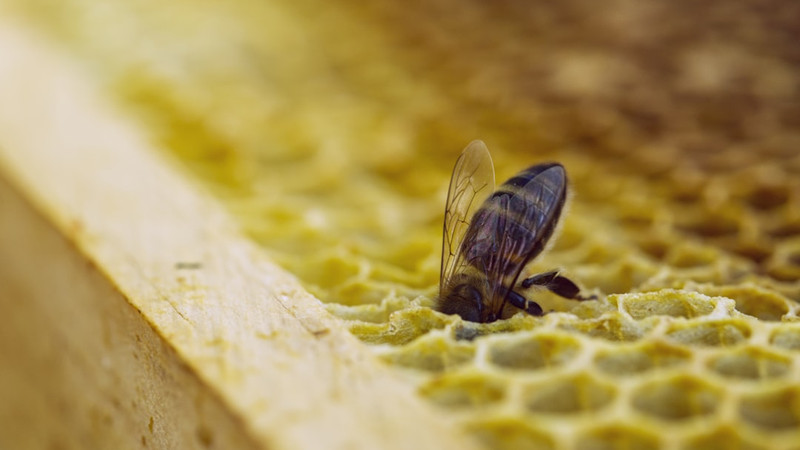
Brazilian native bee honey contains more water and flows more easily than standard honey from European bees, making it perfect for extracting plant compounds.
Researchers tested five species — including jataí, mandaçaia, and moça-branca — and found the chocolate flavor profile changed depending on the honey type and ratio to cocoa shells.
It’s part science experiment, part gourmet innovation.
Green Chemistry With a Culinary Twist
The ultrasound process creates microscopic bubbles that collapse and briefly heat up, breaking open plant material and releasing nutrients into the honey. It’s fast. It’s efficient. And it avoids the environmental footprint of conventional extraction.
A sustainability audit using Path2Green software rated the process positively, thanks to its:
- Local ingredients
- Low energy demand
- No need for purification steps
- Zero reliance on synthetic solvents
Researchers believe small producers — especially cooperatives that already work with honey or cocoa — could adopt the technique to sell value-added products for gourmet markets.
What Happens Next?
The team is now exploring:
- Whether ultrasound naturally kills microorganisms in honey, extending the shelf life
- New uses for native bee honey as a solvent
- Additional plant materials that could be repurposed into functional foods or cosmetic ingredients
This chocolate honey may be the first step toward an entire category of eco-friendly, flavor-forward extracts.
Medical Disclaimer
This article is for informational purposes only and does not constitute medical advice. Always consult a qualified healthcare provider about your personal health, symptoms, or medical conditions.

