

Cutting sleep short might feel like a productivity hack. But mounting evidence suggests the habit could quietly raise the risk of serious heart problems later in life.
A large new study published in the Journal of the American Heart Association tracked nearly one million U.S. veterans over several decades. Researchers wanted to know what happens when two common sleep disorders — insomnia and sleep apnea — occur together.
The answer was striking.
When Sleep Problems Stack Up, Heart Risk Climbs
Compared with people who had no sleep disorders, individuals dealing with both insomnia and obstructive sleep apnea showed dramatically higher cardiovascular risk.
Researchers found they were:
- More than twice as likely to develop high blood pressure
- More than four times as likely to develop heart disease
The findings do not prove that sleep disorders directly cause heart disease, but they add to growing evidence that disrupted sleep may influence long-term cardiovascular health.
Sleep Issues Often Start Earlier Than People Realize
One of the most surprising details of the study was how young many participants were. More than 40% were under age 40 when they first entered the healthcare system analyzed in the research.
That matters because heart disease is often viewed as a problem of older age. Scientists increasingly believe the groundwork for cardiovascular health begins much earlier — and sleep quality may play a role.
Why Sleep Disorders Affect the Heart
Sleep apnea interrupts breathing repeatedly during sleep, which can lower oxygen levels and strain the cardiovascular system. Insomnia, on the other hand, keeps people from falling or staying asleep long enough to reach restorative sleep stages.
When the two occur together, the body may experience ongoing stress, inflammation, and hormonal disruption — all factors linked to heart disease risk.
Where Sleep Supplements Fit In
Alongside improving sleep habits — like consistent bedtimes, limiting late-night screens, and avoiding late caffeine — some people explore natural supplements designed to support relaxation and healthy sleep rhythms.
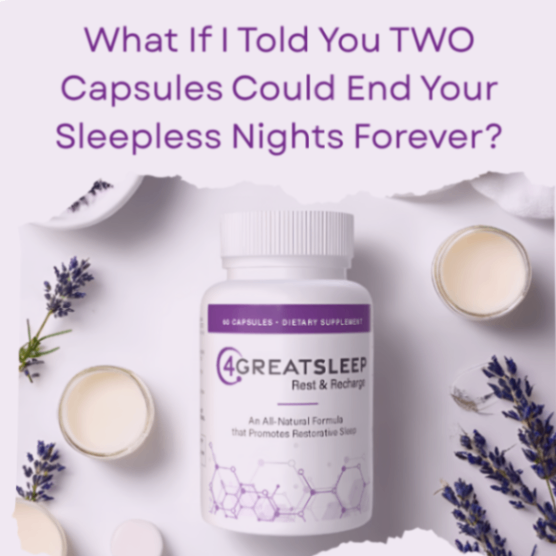
For example, 4GreatSleep*, available at www.4greatsleep.com, is a dietary supplement formulated with ingredients commonly used to support normal sleep patterns and nighttime relaxation. Products like this are designed to complement healthy sleep routines rather than replace medical treatment for sleep disorders. Individuals experiencing persistent insomnia or symptoms of sleep apnea should consult a healthcare professional for evaluation.
Treating the Root Cause of Sleep Problems
Doctors typically treat obstructive sleep apnea using CPAP (continuous positive airway pressure) therapy, which keeps airways open during sleep.
Insomnia is commonly treated with cognitive behavioral therapy for insomnia (CBT-I), a structured approach that helps retrain sleep habits and thought patterns.
Sleep specialists say identifying the true cause of disrupted sleep is critical. Sometimes apnea triggers insomnia symptoms — meaning treating the breathing disorder may resolve the sleep difficulty.
Why Sleep Shouldn’t Be Ignored
Researchers say the findings reinforce a message doctors increasingly emphasize: sleep is not optional downtime for the body.
Sleep plays an active role in regulating blood pressure, metabolism, immune function, and cardiovascular recovery. When sleep remains disrupted for months or years, those systems may gradually move out of balance.
Anyone experiencing frequent trouble falling asleep, staying asleep, or feeling rested should speak with a healthcare professional. Addressing sleep problems early could do more than improve how you feel tomorrow — it may help protect your heart years down the road.
*These statements have not been evaluated by the Food and Drug Administration. This product is not intended to diagnose, treat, cure, or prevent any disease. Individual results may vary.
Medical Disclaimer:
This article is for informational purposes only and does not constitute medical advice. Always consult a qualified healthcare professional regarding any medical concerns or symptoms.
FTC Disclosure:
Dr. Keith Ablow and Dr. Kathryn Munoz are affiliated with the 4VitaHealth brand and may receive financial compensation from products mentioned in this article.

