

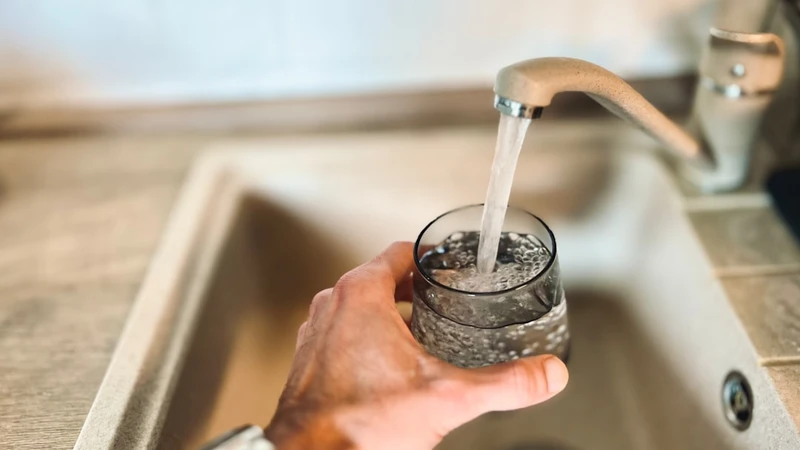
Water that comes straight from natural sources, dubbed “raw water,” is gaining popularity. Raw water advocates reject public water supplies, including tap water, because they don’t enjoy the taste or believe it’s unsafe and depleted of vital minerals.
On the surface, raw water might seem alluring – the natural surroundings may look beautiful, and the water may look clean and taste refreshing. But unlike tap or commercially bottled water, raw water is not evaluated for safety. This leaves the people who drink it vulnerable to infectious microbes or potentially other toxic contaminants.
I’m a microbiology researcher studying infectious diseases. From a public health perspective, clarifying misconceptions about tap water and the health hazards of raw water can protect consumers and curtail the spread of infectious diseases.
A short history of public drinking water
Archaeological evidence suggests that humans have long associated dirty water with negative health outcomes. As early as 1500 BCE, ancient Egyptians added a binding agent to their water to clump contaminants together for easy removal.
Read Full Article Here

