

No one really explains hot flashes until you’re in them.
They don’t feel like a simple “warm moment.” They feel sudden, disruptive, and oddly unpredictable — a wave of heat that starts in your chest or face and moves through your body, often at the worst possible time.
For me, it was the nights.
I’d fall asleep just fine, then wake up overheated, restless, and wide awake. Not drenched every time, but uncomfortable enough that getting back to sleep became a struggle.
At first, I ignored it.
Then it became a pattern.
What’s Actually Causing Hot Flashes
Once I started looking into it more seriously, the mechanism made sense.
Hot flashes aren’t random. They’re tied to declining estrogen levels, which affect how your brain regulates temperature — specifically in the hypothalamus, the part of the brain that acts like your internal thermostat.
As estrogen drops, that thermostat becomes more sensitive.
Small changes in body temperature that wouldn’t have mattered before suddenly trigger a full response:
Blood vessels dilate
Skin temperature rises
You feel a surge of heat
Your body overreacts to what used to be normal.
That’s why they can feel so sudden — and so out of proportion.
Why They Feel Worse at Night
Nighttime makes everything more noticeable.
Your body temperature naturally shifts as part of your circadian rhythm. When that system is already unstable, even small fluctuations can trigger a hot flash.
There’s also less distraction.
During the day, you move through it. At night, you feel it.
And once your sleep gets interrupted, it starts to affect everything else — energy, mood, focus, even how you handle stress the next day.
What Actually Helps (Beyond the Basics)
There’s no single fix, but there are layers to this.
Some are obvious:
Keeping your room cooler
Avoiding triggers like alcohol or spicy food
Managing stress
Those help — but they didn’t fully solve it for me.
The bigger shift came when I focused on supporting the underlying hormonal transition, not just reacting to symptoms.
What Finally Made a Difference for Me
I didn’t want something extreme.
I wanted something that felt steady — something that supported what my body was already going through without overcorrecting it.
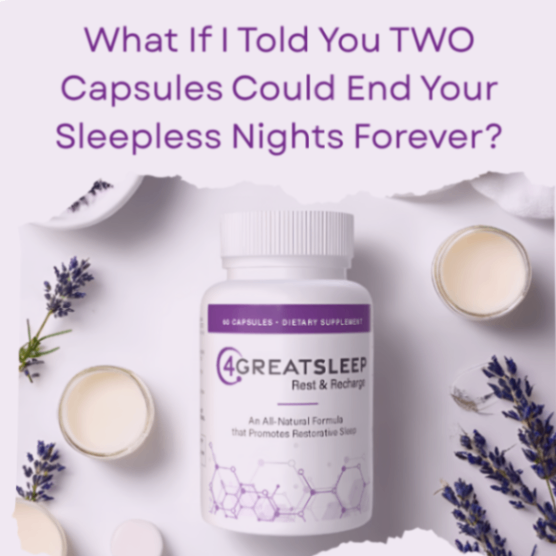
That’s when I started using this:
It’s designed specifically for menopause-related symptoms, including hot flashes, and it works differently than most people expect.
Instead of forcing a hormonal change, it uses plant-based compounds that interact with the body’s temperature regulation pathways — essentially helping smooth out the overreaction rather than shutting it down.
Why That Approach Matters
This is where a lot of confusion comes in.
Some supplements try to mimic estrogen. Others aim to “balance hormones,” which is often vague and not well-defined.
What tends to make more sense — and what I noticed — is focusing on:
Temperature regulation
Nervous system stability
Consistency over time
Because hot flashes aren’t just hormonal.
They’re neurological.
And once that clicked, it changed how I approached it.
What I Actually Noticed
It wasn’t immediate.
But over time, the intensity shifted.
The heat spikes felt less aggressive. The nighttime wake-ups became less frequent. I wasn’t bracing for it the same way anymore.
That’s the part no one really talks about.
You’re not looking for perfection.
You’re looking for fewer disruptions.
What I Wish I Knew Earlier
Hot flashes aren’t something you power through.
They’re a signal that your body is recalibrating.
And while you can’t stop that process, you can make it easier to move through.
For me, that meant:
Understanding what was actually happening
Removing obvious triggers
Supporting my body in a way that felt sustainable
The Bottom Line
Hot flashes don’t usually disappear overnight.
But they can become more manageable.
And once they do, everything else starts to feel easier — especially sleep.
This is what worked for me:
Not as a quick fix.
But as something that made the process feel more stable — and a lot less disruptive.
Medical Disclaimer:
This article is for informational purposes only and does not constitute medical advice. Always consult a qualified healthcare professional regarding any medical concerns.
FTC Disclosure:
Kathryn Munoz, PhD, MPH, is a co-founder of 4VitaHealth and may benefit financially from product recommendations. These statements have not been evaluated by the Food and Drug Administration. This product is not intended to diagnose, treat, cure, or prevent any disease. Individual results may vary.

