

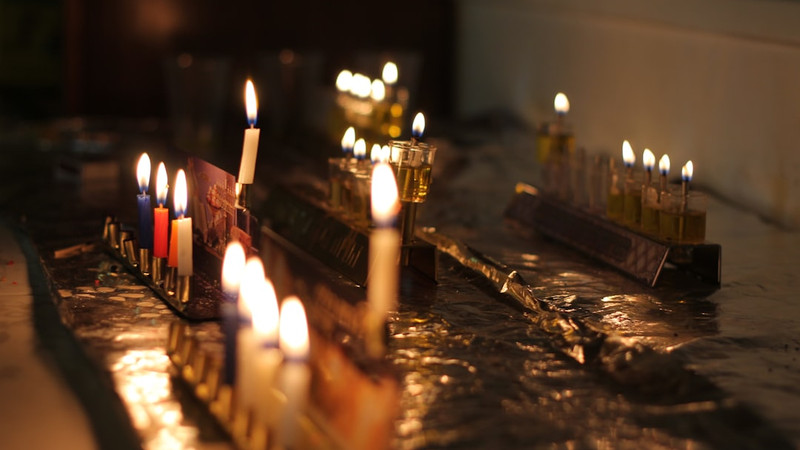
Hanukkah is marketed as eight nights of light, joy, and family photos—but for many people, it quietly becomes a pressure cooker for stress, anxiety, and sadness. Hanukkah mental health struggles are far more common than most families admit, especially in the dark stretch of winter when mood is already under attack.
If you have ever lit the menorah while feeling numb, irritable, or on the edge of tears, nothing is “wrong” with you. Holiday depression, winter blues, family conflict, and loneliness can all collide during Hanukkah, and pretending otherwise only makes the pain worse.
Hanukkah mental health: why this holiday hits so hard
Hanukkah mental health issues do not happen in a vacuum; they show up in a very specific context. The holiday arrives when days are shortest, sunlight is limited, and many people are already fighting Seasonal Affective Disorder or what they call “winter blues.” Circadian rhythms get disrupted, sleep gets thrown off, and energy tanks—prime conditions for low mood and anxiety.
At the same time, there is a powerful message that you should feel grateful, joyful, and connected. Social media amplifies this by showing only the happiest moments: perfect sufganiyot, coordinated pajamas, and glowing menorahs. If your inner world does not match those images, you might feel broken, guilty, or ashamed, which deepens holiday anxiety and makes you even less likely to reach out for help.
Holiday depression, anxiety, and the weight of expectation
Holiday depression around Hanukkah can be subtle or intense. You might notice:
Waking up already exhausted and dreading the day.
Feeling empty while others seem genuinely excited.
Struggling to care about traditions that used to matter.
Wanting to cancel gatherings or leave early just to be alone.
Hanukkah anxiety can show up as racing thoughts, tightness in the chest, overthinking conversations, or replaying every interaction from a family event. You may worry about being judged for your life choices, religious observance, politics, finances, or parenting. If your family has a history of conflict, passive‑aggressive comments, or drama, your body can go into fight‑or‑flight as soon as the candles are set out.
For people who are grieving a loss, recently divorced, estranged from family, struggling with infertility, or far from community, the emphasis on family togetherness can also feel like a spotlight on everything they do not have.
Turning the menorah into a mental health tool
One way to honor Hanukkah mental health is to transform the menorah into a nightly check‑in rather than just a decoration. Think of this as your “Mental Health Menorah”:
Night 1 – Freedom from pretending: Ask, “Where am I pretending I’m okay when I’m not?” It might be your job, your relationship, your level of burnout, or a secret struggle with addiction or disordered eating. You do not have to fix it tonight—but you do have to stop denying it.
Night 2 – Naming symptoms: Notice any signs of depression (sadness, emptiness, loss of interest), anxiety (racing thoughts, panic, obsessive worry), or burnout (cynicism, emotional numbness). Speak them, even if only to yourself. Naming them is the opposite of weakness; it is an act of courage.
Night 3 – Listening to your body: Use this night to check in with headaches, stomach issues, chronic pain, insomnia, or tension. Instead of powering through Hanukkah on caffeine and sugar, admit that your body is already signaling overload.
Night 4 – Family patterns: Consider what holidays were like when you were growing up. Were they calm, tense, chaotic, silent, or explosive? Many adults unconsciously replay those patterns. Awareness allows you to say, “This ends with me.”
Night 5 – Safety and news stress: Notice how news about antisemitism, conflict, and violence affects your nervous system. It is normal to feel on edge, angry, or scared. This night, commit to limits: how much news you will consume, who you will process it with, and how you will ground yourself afterward.
Night 6 – Self‑worth and self‑talk: Listen to the way you talk to yourself during Hanukkah. Do you call yourself lazy, ungrateful, “too sensitive,” or a failure? Imagine saying those words to a close friend; if you wouldn’t, they do not belong in your own head either.
Night 7 – Relationship inventory: Ask honestly, “Do my closest relationships make me feel more alive, or more erased?” You do not need to blow up your life tonight, but you can take one step: set a boundary, have a conversation, or decide to seek couples or family counseling.
Night 8 – Choosing one powerful next step: Instead of vague resolutions, pick one concrete action that supports your mental health: scheduling a therapy appointment, joining a support group, adjusting medication with a doctor, committing to a daily walk, or promising to tell someone the truth about how you really feel.
Using the menorah this way does not replace religious meaning; it deepens it. You are not just remembering an ancient miracle—you are deciding that your mind, your mood, and your future are worth fighting for.
Hanukkah self‑care that actually helps your mental health
Hanukkah self‑care does not have to be elaborate or expensive. It needs to be consistent, honest, and doable in real life:
Guard your sleep like a mitzvah: Aim for roughly the same bedtime and wake time each day of Hanukkah, even if you have late‑night events. Sleep is a cornerstone of mood regulation and anxiety control.
Get outside or near a window daily: Ten to thirty minutes of daylight can ease winter blues and support a healthier sleep‑wake cycle, which is crucial for mental health. If you live in a very dark climate, ask a professional whether a light box might help.
Create tech boundaries: Pick a time each night when you put your phone away—no doomscrolling, no comparing your Hanukkah to everyone else’s. Protect your mind from constant input, especially before bed.
Move your body gently: You do not need an intense workout. A short walk after dinner, gentle stretching, or a few minutes of dancing to music you love can release tension and improve mood.
Plan “escape valves” for gatherings: Decide in advance how you will step away if a conversation or situation becomes overwhelming—by taking a walk, going to another room, or cutting the evening short.
These Hanukkah mental health practices are not about achieving a perfect holiday. They are about giving your brain and body the support they need to stay afloat.
Supporting someone else’s Hanukkah mental health
If someone you care about seems off during Hanukkah—quieter than usual, irritable, drinking more, or skipping gatherings—do not ignore it. Instead:
Check in privately with simple, direct questions like, “How are you really doing this week?”
Validate their feelings instead of minimizing them with statements like “but it’s Hanukkah” or “others have it worse.”
Offer practical help: a ride to therapy, company at a community event, or a low‑pressure night in with candles, simple food, and no expectations.
Encourage professional help if they mention hopelessness, self‑harm, or suicidal thoughts. Offer to help them find resources or sit with them while they make a call.
You cannot fix someone else’s mental health, but your presence and honesty can make it easier for them to seek the support they need.
When Hanukkah mental health struggles become an emergency
Certain signs mean it is time to seek immediate professional help, regardless of the holiday:
Thoughts about wanting to die, disappearing, or that others would be better off without you.
Developing a specific plan or intent to harm yourself.
Using alcohol or drugs heavily to function or get through the day.
Hearing voices, feeling detached from reality, or being unable to carry out basic daily tasks.
In those moments, reaching out to an emergency number, crisis line, trusted medical professional, or local emergency services is crucial. Holidays can make it feel like you should “wait it out,” but your life and safety come first—always.
FAQs: your Hanukkah mental health questions answered
Is it normal to feel sad or anxious during Hanukkah, even if my life looks “fine” on paper?
Yes. Mental health does not always match external circumstances. You can have a job, relationship, and family, and still experience depression, anxiety, or burnout, especially under holiday pressure.
Can Hanukkah trigger old trauma or grief?
Absolutely. Smells, songs, foods, and rituals can bring back memories of people who have died, painful childhood holidays, or times when you felt unsafe or unseen. If your mood drops sharply around anniversaries or specific family traditions, that is worth discussing with a therapist.
How can I balance Hanukkah obligations with my need for rest?
You are allowed to set limits: choose fewer events, attend for shorter periods, or say no altogether. Communicate clearly and kindly, and remember that preserving your mental health is more important than pleasing everyone.
Is it “ungrateful” to seek therapy or medication during a joyful holiday?
No. Taking care of your brain is as responsible as taking care of your heart or lungs. Therapy and medication, when needed and supervised by a professional, can help you be more present, honest, and alive in every part of your life—including holidays.
Hanukkah mental health is not a niche topic; it is a reality for countless people who are tired of acting “fine” in the glow of the candles while feeling lost in the dark inside. This year, let the Festival of Lights be more than a photo opportunity. Let it be the moment you stop pretending, start telling the truth about how you feel, and take one courageous step toward the help and healing you deserve.

