

Your driver’s license may say one number, but your brain could be operating years ahead or behind it.
New research from the University of Florida suggests that everyday habits such as quality sleep, stress management, optimism, and strong social connections can dramatically slow brain aging. In some cases, researchers found brains that appeared to be up to 8 years younger than expected.
And the benefits showed up even in people living with chronic pain.
Your Brain Has an Age — and It’s Not What You Think
Using advanced MRI scans analyzed by machine-learning models, scientists measured something called brain age — a whole-brain estimate of how old the brain appears compared to a person’s actual age.
The gap between those two numbers tells a powerful story.
People with more protective lifestyle habits consistently showed younger, healthier brain profiles. At the same time, those dealing with chronic stress, poor sleep, or social isolation tended to show accelerated aging in brain structure and function.
Pain, Stress, and Hardship Age the Brain — But the Damage Isn’t Permanent
The study followed 128 adults in midlife and older adulthood over two years. Most participants lived with chronic musculoskeletal pain related to or associated with knee osteoarthritis — a condition known to strain both the body and the brain.
At first, factors like chronic pain, lower income, limited education, and social disadvantage were linked to older-appearing brains. But over time, those associations weakened.
What mattered more — and lasted longer — were protective habits.
The Brain-Protective Habits That Made the Biggest Difference
Participants with the highest number of healthy behaviors started the study with brains that appeared up to 8 years younger, and their brains continued to age more slowly throughout the study period.
The strongest protective factors included:
Restorative, high-quality sleep
Effective stress management
Healthy body weight
Avoiding tobacco
Strong social support and connection
Positive outlook and emotional resilience
Each additional healthy habit appeared to stack benefits on top of the last — a cumulative effect, researchers say, that may meaningfully influence long-term brain health.
Why Brain Age Matters More Than Ever
An aging brain is more vulnerable to cognitive decline, dementia, and Alzheimer’s disease. Unlike earlier studies that focused on isolated brain regions, this research looked at the brain as a connected system — reflecting how real-life stress, pain, and lifestyle choices affect the entire network.
The brain age gap offers a single, powerful snapshot of neurological resilience.
And while the study focused on people with chronic pain, researchers note that these habits likely benefit nearly everyone.
Sleep: The Most Underrated Brain Anti-Aging Tool
Among all lifestyle factors, sleep stood out as one of the most powerful protectors of brain health.
Poor sleep disrupts memory consolidation, increases inflammation, and elevates stress hormones, accelerating neural aging. Over time, chronic sleep deprivation can quietly push the brain into fast-forward.
Consistent, high-quality sleep supports:
Brain detoxification processes
Emotional regulation
Cognitive performance
Hormonal balance
Long-term memory formation
For adults struggling with occasional sleep disruption tied to stress, routine changes, or lifestyle factors, some choose to support their sleep hygiene with natural, non-habit-forming options.
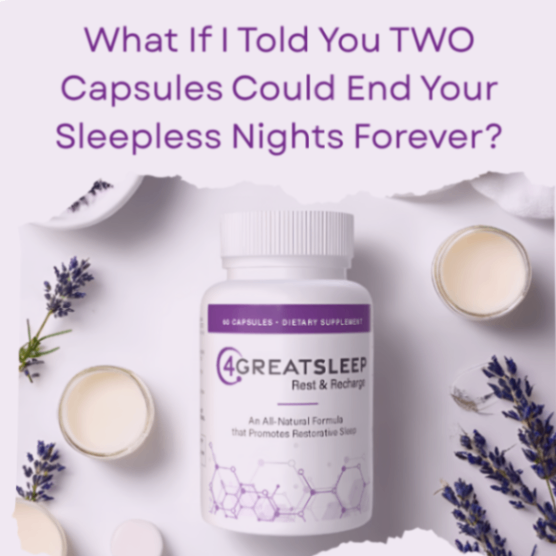
One example is 4GreatSleep, a sleep-support supplement formulated to help promote relaxation and more restorative sleep when used alongside healthy sleep habits.
Learn more at https://www.4greatsleep.com
Sleep isn’t optional when it comes to brain health — it’s foundational.
Lifestyle Really Is Brain Medicine
This research reinforces a growing truth in modern neuroscience: how you live shapes how your brain ages.
Stress perception can be trained. Sleep quality can be improved. Social connections can be strengthened. Optimism isn’t naïve — it’s neurological protection.
Your brain is not locked into a fixed aging trajectory. The choices you make daily still matter — and they add up.
Medical Disclaimer
This article is for informational purposes only and does not constitute medical advice. It is not intended to diagnose, treat, cure, or prevent any disease. Always consult a qualified healthcare professional before making changes to your health routine.
FTC Disclosure
Dr. Keith Ablow, MD, and Kathryn Munoz, PhD, MPH, are co-founders of 4VitaHealth, a company that markets 4GreatSleep. This relationship is disclosed in accordance with Federal Trade Commission guidelines. Individual results may vary.

