

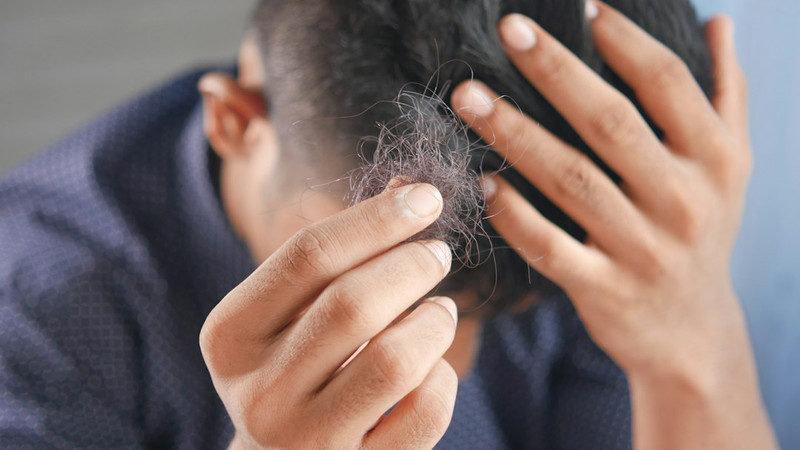
Some people taking popular GLP-1 medications for diabetes or weight loss have reported more hair shedding, itchy scalps, nail discoloration, and nails lifting away from the skin beneath them, according to early research presented at a dermatology meeting.
The findings are worth knowing about—but not a reason to panic or stop a prescribed medication. The research has not yet been peer-reviewed, relied on people describing their own symptoms, and cannot show that GLP-1 drugs directly caused the changes.
What the researchers saw
The study compared 575 people using GLP-1 drugs with 1,329 people with obesity and/or type 2 diabetes who had never used those medicines. Participants lived in France, the United States, Brazil, and Mexico.
About two-thirds of GLP-1 users said they had experienced at least one nail problem, compared with just over half of nonusers.
The most striking difference involved nail lifting. Thirty-nine percent of GLP-1 users reported that a nail had separated from the skin under it, compared with 9% of people who had not used the medicines. Nail discoloration was also more common: 46% of GLP-1 users reported it, compared with 17% of nonusers.
Hair changes showed up too
A related study from the same research group found that GLP-1 users reported more hair and scalp concerns.
New hair loss that started after people began treatment was reported by 26% of GLP-1 users, compared with 12% of nonusers. People using the medications also more often reported thinner-looking hair, itching, redness, or flaky scalp skin.
The researchers said hair loss often appeared alongside scalp irritation, rather than hair shedding alone. But the study cannot tell whether the medication, quick weight loss, changes in diet, an underlying health condition, or another factor caused those symptoms.
Why it may happen
There are several possible explanations, and none has been proven.
GLP-1 medicines can reduce appetite and lead to substantial weight loss. Eating much less than usual, losing weight quickly, or not getting enough protein, iron, zinc, and other nutrients can affect hair growth and nail growth.
Physical stress can also cause temporary hair shedding. Hair loss may become noticeable weeks or months after a period of illness, surgery, rapid weight loss, major stress, or a significant change in eating habits.
The research also found that many GLP-1 users with hair loss had scalp symptoms. That raises the possibility that scalp irritation or another skin condition could be part of the picture for some people. More research is needed to understand what is happening.
What the study cannot prove
This research found a connection, not a cause.
Nearly half of the GLP-1 users who reported nail problems said those issues began before they started the medication. After researchers accounted for skin conditions and nutritional deficiencies, the differences between users and nonusers became smaller, although some nail problems were still reported more often among GLP-1 users.
The studies also looked at people at one point in time. They did not follow everyone from before treatment through weight loss and beyond. That makes it impossible to know exactly when hair, scalp, or nail changes started—or what caused them.
What to do if you notice changes
Do not stop a GLP-1 medication on your own because of hair shedding or nail changes.
Instead, tell the clinician who prescribed the medicine about what you are seeing. They may review your weight-loss pace, food intake, other medications, health history, and any symptoms that point to another cause. Depending on the situation, a clinician may consider checking for nutritional issues, thyroid problems, infection, or skin conditions.
Seek care sooner if you have a painful or swollen nail, pus or drainage, a dark streak or dark spot under a nail, sudden patchy hair loss, scalp sores, severe redness, or signs of dehydration such as severe vomiting, fainting, or being unable to keep fluids down.
Try not to self-treat with high-dose hair, skin, or nail supplements. Products marketed for hair growth may not be necessary, can interact with medications, and can interfere with some lab tests.
The bottom line
This early research suggests that people using GLP-1 medications may report hair, scalp, and nail changes more often than people not using them.
It does not prove the drugs caused those changes. Larger, peer-reviewed studies need to confirm the results by following people from the start of treatment and tracking weight loss, nutrition, skin health, and medication use over time.
For now, new hair loss, scalp irritation, or nail changes are worth mentioning at a medical visit—not a reason to abandon a treatment that may be helping manage diabetes, weight, or heart risk.
Medical disclosure: This article is for general educational and informational purposes only. It is not medical advice and does not replace care from a qualified healthcare professional. Do not start, stop, or change a GLP-1 medication based on this article. If you notice new hair loss, scalp symptoms, nail discoloration, or nail lifting while using a GLP-1 medicine, discuss it with the clinician who prescribed it or a dermatologist.
