

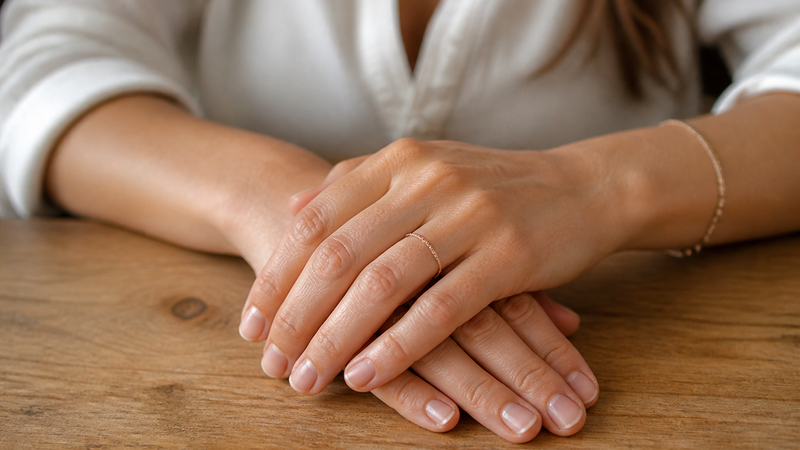
GLP-1 Weight Loss Drugs Linked to Nail Changes in Nearly Half of Women
If you or someone you know is taking a GLP-1 medication, there's a new side effect worth watching for — and it may be hiding in plain sight.
Millions of women are now taking GLP-1 receptor agonist drugs like semaglutide (Ozempic, Wegovy) and tirzepatide (Mounjaro, Zepbound) for weight loss or blood sugar control. The benefits are well-documented. But a growing body of reports is flagging a surprising and largely overlooked side effect: significant changes to the nails. Research suggests it may be happening in close to half of users.
What the Research Found
A study published in the Journal of the American Academy of Dermatology surveyed women who were taking GLP-1 medications and found that nearly half reported noticeable nail changes while on the drugs. These included brittleness, slower growth, thinning, and in some cases, nails that were breaking more easily than usual.
This was a survey-based study with important limitations — it relied on self-reporting rather than clinical nail exams, and the sample size was relatively small. That means the findings are early and should be treated as a signal worth watching, not a definitive conclusion.
Why Might GLP-1 Drugs Affect Nails?
Researchers believe the nail changes may be connected to rapid weight loss itself, rather than the drugs acting directly on nail tissue. When the body loses weight quickly, it can redirect nutrients away from non-essential functions — and nail growth falls pretty low on the priority list.
Nutritional deficiencies, particularly in protein, biotin, zinc, and iron, are known to affect nail health. Rapid calorie restriction, which often accompanies GLP-1 use, may reduce intake of these key nutrients. This is the leading theory, though more research is needed to confirm it.
Hair Loss, Too — a Pattern Worth Noting
Nail changes aren't the only cosmetic side effect getting attention. Hair thinning, known medically as telogen effluvium, has also been reported in people taking GLP-1 medications. Like nail changes, it's thought to be linked to the physical stress of rapid weight loss rather than the drug itself.
Dermatologists have noted that both hair and nails are made largely of keratin protein, and both are sensitive to nutritional status and metabolic changes. The two side effects may share a common root cause.
Who May Be at Higher Risk
Women, particularly those over 40, may be more vulnerable to these changes for several reasons. Nail and hair health can already shift with hormonal changes that come with perimenopause and menopause. Add rapid weight loss on top of that, and the impact on keratin-rich tissues may be more pronounced.
People who are already low in key nutrients before starting a GLP-1 medication — which is not uncommon — may also notice these changes more quickly or severely.
What You Can Do About It
If you are taking a GLP-1 drug and noticing nail or hair changes, the most important first step is to talk with your doctor. Do not stop or adjust your medication on your own.
Your doctor may recommend a nutritional evaluation to check for deficiencies. Some people benefit from increasing dietary protein, taking a comprehensive multivitamin, or adding specific supplements — but these decisions should be guided by a healthcare provider based on your individual labs and health history.
- Ask your doctor about getting bloodwork to check protein, iron, zinc, and vitamin levels
- Make sure you are meeting protein goals, which often need to increase during significant weight loss
- Discuss whether a multivitamin or targeted supplement makes sense for you
- Be patient — nail changes related to nutritional shifts can take months to reverse once the underlying cause is addressed
The Bottom Line
GLP-1 medications are powerful tools, and the research on nail changes is still early. But if you are taking one of these drugs and your nails are suddenly brittle, thin, or breaking — that's worth bringing up at your next appointment. It may be a sign your body needs more nutritional support during the weight loss process. Your doctor can help you figure out what's going on and what to do about it.
