
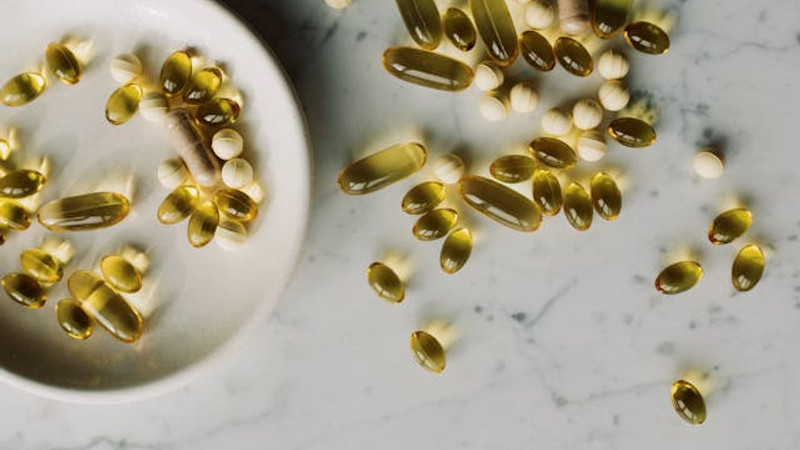
Collagen has quietly become one of the most aggressively marketed products in wellness. Walk into any supplement aisle, and you’ll see it everywhere — powders, capsules, drinks — all promising smoother skin, stronger joints, and a more “youthful” body.
It sounds almost too convenient.
But a large new review suggests there may be something real behind the hype — just not in the way most people expect.
Researchers analyzed data from 113 clinical trials involving nearly 8,000 participants and found that collagen supplementation was associated with measurable benefits in several key areas, particularly muscle health, joint pain, and certain aspects of skin quality. That alone is enough to separate collagen from many supplements that never move beyond theory.
At the same time, the results are far from definitive, and the details matter more than the headlines.
Collagen is not a trendy invention. It’s a structural protein your body already produces, and it plays a central role in how your skin, joints, muscles, and connective tissues hold together and function. As production declines with age, the visible and physical effects follow — skin loses elasticity, joints become less resilient, and recovery tends to slow.
That decline is what drives demand.
The idea behind supplementation is straightforward: restore what the body is losing. But the way collagen works inside the body is more complicated than simply “replacing” it.
Most collagen supplements are hydrolyzed, meaning the protein has been broken down into smaller peptides that are easier to absorb. These fragments enter the bloodstream and may act as signals that influence how the body maintains skin, joints, and muscle tissue.
That signaling effect — not direct replacement — appears to be where the potential benefit comes from.
In the review, collagen supplementation showed moderate improvements in muscle health and reductions in joint pain, particularly in people dealing with osteoarthritis. There were also improvements in skin hydration and elasticity, though these changes tended to build gradually over time rather than appearing suddenly.
That point is easy to overlook. Collagen does not behave like a fast-acting intervention. If there is a benefit, it seems to depend on consistency rather than short bursts of use.
Still, the findings are not as clean as they might seem.
Some of the results shifted depending on when the studies were conducted, with newer research showing smaller improvements in skin elasticity but stronger effects on hydration. That inconsistency suggests the science is still evolving, and not all conclusions are settled.
The quality of the research also raises questions.
Fifteen of the sixteen reviews included were rated as low or critically low quality, largely due to methodological issues such as weak study design, lack of pre-registration, and inconsistent reporting. Many of the trials were also small and short-term, which makes it difficult to draw strong conclusions about long-term outcomes.
And then there’s the issue most consumers never see.
Not all collagen is the same.
Products vary widely in source, formulation, and processing. Some come from cows or pigs, others from fish or marine sources, and even so-called vegan alternatives attempt to mimic collagen’s effects rather than provide it directly. Differences in how these products are made can influence how they are absorbed and how they behave in the body.
When all of those variations are grouped together in a single analysis, the results can blur.
So where does that leave collagen?
Somewhere in the middle.
There is enough evidence to suggest it may offer real, measurable benefits in certain areas, particularly joint health and aspects of skin quality. But the strength of that evidence is uneven, and the expectations surrounding collagen often run ahead of what the data actually supports.
It is not a miracle solution. It is not a shortcut to reversing aging.
At best, it appears to be a supportive tool — one that may help reinforce the body’s existing systems when used consistently and in the right context.
And as with most things in health, that context still matters more than any single supplement.
Medical Disclaimer: This article is for informational purposes only and does not constitute medical advice. Consult a qualified healthcare provider before making any changes.
