

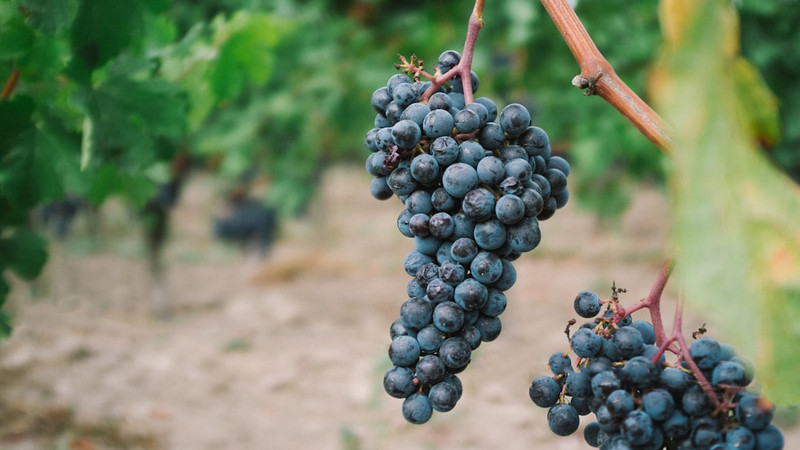
A new study suggests your daily handful of grapes might be doing more than you think for your skin.
Researchers found that concentrated grape intake changed how skin genes behave and reduced a key chemical marker of UV-related cellular damage.
What the researchers actually did
Scientists at Western New England University wanted to see if grapes could nudge the skin’s own defenses.
They used a small group of volunteers who first followed a restricted diet for two weeks to “wash out” other variables.
Then, for the next two weeks, everyone consumed the equivalent of about three servings of whole grapes a day, delivered as a concentrated, freeze-dried grape powder rather than casual snacking.
Before and after the grape phase, the team took tiny skin biopsies and tested them under normal conditions and after controlled exposure to low doses of UV light.
Each person started with their own unique pattern of gene activity in the skin.
After the grape phase, those gene expression patterns shifted, both at baseline and after UV exposure.
What changed in the skin
The most interesting signal was biochemical.
When skin gets hit with UV, it usually ramps up production of a compound called malondialdehyde, a marker that cells are taking oxidative damage.
After the grape period, the volunteers’ skin produced significantly less malondialdehyde in response to the same UV dose.
In plain language, the same UV insult generated fewer signs of cellular damage after consistent grape intake.
Gene expression also changed across the board.
While each person’s genetic response was individual, grape consumption seemed to trigger a nutrigenomic effect, a shift in which genes turned up or down in ways that the researchers interpret as more supportive of skin health and stress handling.
The lead investigator described this as evidence that grapes can act like a “superfood” for the skin, not because of a magic fix, but because they appear to tune gene activity in the largest organ of the body.
The fine print and limitations
This is early-stage science with real constraints, and those matter:
The usable sample size was tiny. Complete sequencing data came from just four women.
Those women had similar skin type and background, so we do not know if the same effect shows up in men, other ages, darker or lighter skin tones, or different health profiles.
The study used a standardized grape powder at a consistent daily dose, not occasional handfuls of grapes here and there.
Because of all that, you should treat this as a promising signal, not final proof that grapes “protect everyone from sun damage.”
The researchers themselves stress that grape intake does not replace sunscreen, shade, protective clothing, or other sun-smart habits.
Think of grapes as a possible internal helper, not an excuse to bake at the beach.
What this might mean for your routine
If you already tolerate grapes well and they fit your diet and blood sugar goals, adding them regularly is a low-risk way to layer in extra polyphenols and plant compounds that may support your skin’s stress response.
Smart ways to think about it:
Grapes might become part of a “skin-friendly” diet along with other colorful fruits, vegetables, healthy fats, and adequate protein.
Whole grapes are preferable to sugary juice because you get fiber and more intact compounds.
If concentrated grape powders eventually make their way into “skin support” supplements, remember that the underlying data is still early and based on a very small group.
For now, the safest frame is this: grapes may give your skin a small internal assist against UV-related stress, but they live next to, not instead of, sunscreen, hats, shade, and common sense.
The information in this article is for educational purposes only and is not a substitute for professional medical advice, diagnosis or treatment. Always talk with your health care provider before making major changes to your diet or relying on any food or supplement for sun protection.

