
Dr. Daniel Snavely, a cardiologist with Valley Health, says he was skeptical about wearable health-monitoring technology when it started gaining popularity about 10 years ago.
“Initially I didn't have a lot of faith in them,” Snavely said. “I didn't put much stock in the data that I received, now I feel oppositely. I'm actually telling people if they have a history of an arrhythmia or some sort of symptom that I can't find, I would encourage them to obtain a wearable.”
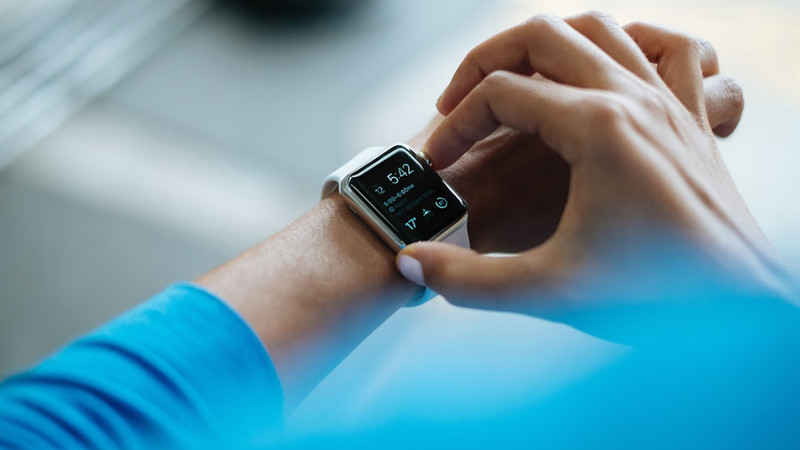
There is no official clinical definition for what qualifies as wearable technology but it's generally considered anything that tracks data related to health. Examples include Oura rings, smart watches and glucose monitors — devices that monitor blood sugar, blood oxygen, respiratory rate, sleep, body temperature and heart rate.
For some of his patients, Snavely recommends Kardia devices, which can record a medical-grade EKG in 30 seconds. They are not wearable, but they are portable, easy to use and less expensive than an Apple Watch or Garmin.
Read Full Article Here

