

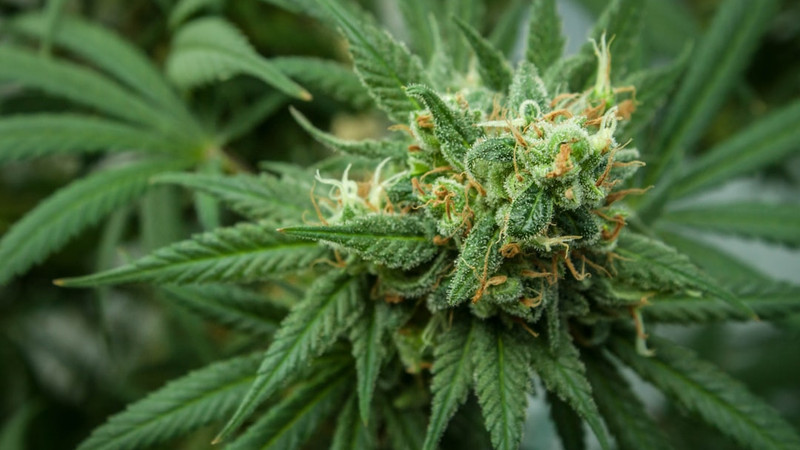
Two chemicals in cannabis may help the liver get rid of extra fat and help overall health, new research from Hebrew University of Jerusalem suggests.
The study focused on CBD (cannabidiol) and CBG (cannabigerol) — non-intoxicating cannabinoids that do not produce the “high” associated with THC. Researchers found the compounds appeared to improve how liver cells manage energy and process harmful fats, changes that could be relevant for people living with fatty liver disease.
A Common but Often Silent Liver Condition
Fatty liver disease — now known medically as metabolic dysfunction–associated steatotic liver disease (MASLD) — affects roughly one in three adults worldwide. The condition occurs when fat builds up inside liver cells and is closely linked to obesity, insulin resistance, high blood pressure, and metabolic disorders.
Doctors typically recommend lifestyle strategies such as improved nutrition, weight management, and regular physical activity to support liver health. However, researchers note that long-term treatment options remain limited, prompting growing interest in potential new approaches.
What the Study Found
Scientists observed that both CBD and CBG appeared to influence how liver cells regulate metabolism and clear waste products.
In laboratory experiments, the compounds:
- Reduced harmful lipid molecules in the liver, including triglycerides and ceramides
- Improved markers related to blood-sugar regulation
- Enhanced cellular systems responsible for breaking down and recycling waste inside cells
Researchers also saw changes in phosphocreatine, a molecule that acts as a backup energy reserve in cells. Higher levels may help liver cells maintain normal function during metabolic stress.
Different Effects Between CBD and CBG
While both compounds showed metabolic benefits, the study suggested CBG produced stronger improvements in some areas.
CBG appeared to:
- Reduce body fat more significantly
- Improve insulin sensitivity
- Lower levels of total cholesterol and LDL (“bad”) cholesterol
CBD also demonstrated beneficial effects on liver fat and glucose metabolism, but the metabolic changes were somewhat less pronounced.
What Comes Next
Researchers say the findings point to a potential new area of study for metabolic liver disease. However, the work remains early, and additional research is needed to determine whether these results translate to humans.
Future studies will explore how cannabinoids influence liver metabolism and whether they could eventually play a role in therapies targeting fatty liver disease.
For now, scientists say the results highlight the complex ways plant-derived compounds can affect cellular metabolism and energy systems in the body.
Medical Disclaimer:
This article is for informational purposes only and is not intended as medical advice. It should not be used to diagnose, treat, cure, or prevent any disease. Always consult a qualified healthcare professional regarding any medical condition or treatment.

