

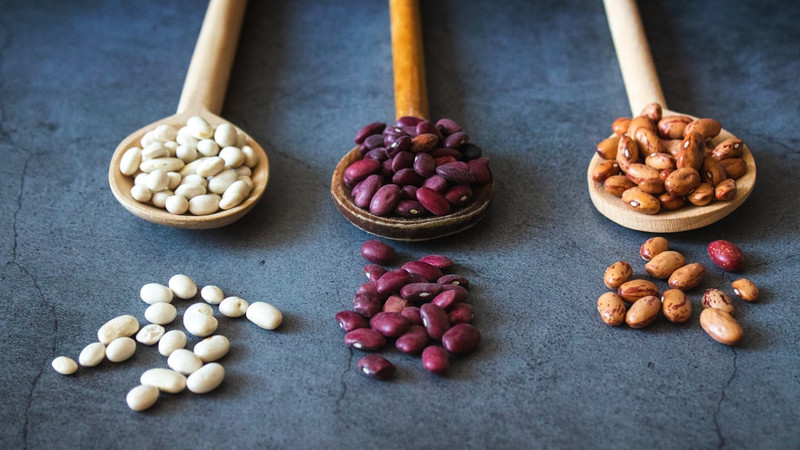
Eating more beans, lentils, chickpeas, and soy foods is starting to look like one of the most practical ways to protect your blood pressure. A major new analysis of long-term studies suggests that people who regularly eat these foods have meaningfully lower odds of developing hypertension — and at realistic, everyday amounts.
What the research found
Researchers pulled together data from a dozen large observational studies carried out in the United States, Europe, and Asia. These studies followed tens of thousands of adults over time, tracking how much they ate of:
Legumes, such as beans, lentils, peas, and chickpeas.
Soy foods, such as tofu, tempeh, edamame, miso, and soy milk.
When they compared people eating the most legumes with those eating the least, the highest‑intake group was about 16% less likely to go on to develop high blood pressure. For soy foods, the gap was even larger, with the highest consumers having roughly a 19% lower risk.
When the team looked at “how much is enough,” they saw a clear pattern:
For legumes, risk kept falling as intake rose up to around 170 grams per day, where the risk reduction approached 30%.
For soy foods, most of the benefit was seen between about 60 and 80 grams per day, where risk was roughly 28% to 29% lower. Eating more soy than that did not appear to add further protection.
Roughly speaking, 100 grams of cooked beans, lentils, chickpeas, or soybeans is about a cup, or 5 to 6 tablespoons. The same ballpark amount of tofu is about a palm‑sized piece.
Why beans and soy might help blood pressure
Legumes and soy foods bring several blood‑pressure‑friendly traits to the table at once.
They are naturally rich in potassium and magnesium, minerals that help blood vessels relax and can counter some of the blood‑pressure‑raising effects of sodium.
They are high in dietary fiber, including soluble fiber. In the gut, this fiber is fermented into short‑chain fatty acids, which may help blood vessels dilate, support healthier cholesterol levels, and dampen low‑grade inflammation.
Soy foods contain isoflavones, plant compounds that may modestly improve how blood vessels function and how the body handles nitric oxide, a key molecule for vascular health.
Taken together, these features make legumes and soy a kind of “blood pressure package deal”: lower sodium density compared with many animal proteins, more minerals that support vessel relaxation, and fibers and plant compounds that may help calm the inflammatory and hormonal signals that push blood pressure upward over time.
How strong is the evidence — and what are the limits?
To judge how convincing the data are, the researchers used standard grading systems that look at consistency across studies, dose–response patterns, and biological plausibility. They concluded that the link between higher legume and soy intake and lower risk of hypertension is probably causal, not just a coincidence.
That said, there are important caveats:
The studies were observational, not randomized feeding trials, so they cannot prove cause and effect the way a tightly controlled experiment could.
The types of legumes and soy foods, how they were prepared, and what the rest of the diet looked like varied from one country to another.
Definitions of “high blood pressure” and the ways intake was measured differed across studies.
Even with those differences, the overall pattern consistently favored higher intakes of beans and soy foods. The dose–response analysis, where risk dropped further as intake rose up to a point, adds weight to the idea that these foods themselves are playing a meaningful role.
Why this matters for everyday eating
One of the most striking details is how few legumes people currently eat in many Western countries compared with what this research suggests might be helpful. Average intakes in parts of Europe and the UK are around 8 to 15 grams per day, far below the 65 to 100 grams per day often recommended for general heart health, and well under the amounts linked to the largest blood pressure benefits in this analysis.
For someone trying to protect their blood pressure without overhauling their entire life, this opens up some very practical options. Adding a cup of beans to a salad, swapping some ground meat for lentils in a sauce, or making tofu or tempeh a regular protein at a few meals each week can move intake toward the ranges that were associated with lower hypertension risk.
Experts involved in interpreting the findings say this work fits neatly into a bigger picture: plant‑forward, legume‑rich eating patterns, such as Mediterranean and traditional Asian diets, consistently track with lower rates of high blood pressure and cardiovascular disease. This analysis adds a more precise layer, suggesting there may be a real payoff to hitting daily targets for beans and soy, not just eating them occasionally.
How to put this into practice
You can translate the research into a few simple, concrete steps:
Aim to include some form of beans, lentils, chickpeas, or peas most days of the week. Working toward roughly a cup a day puts you in the intake range associated with meaningful risk reduction.
If you tolerate soy, consider adding tofu, tempeh, edamame, or unsweetened soy milk, targeting roughly 60 to 80 grams most days as a realistic, research‑aligned range.
Use legumes and soy as swaps for more sodium‑heavy, saturated‑fat‑rich animal proteins at some meals, rather than just adding them on top of everything else.
Keep preparations simple and heart‑healthy: think stews, salads, stir‑fries, and homemade soups, rather than heavily salted, processed bean snacks.
The broader message is not that legumes and soy foods are magic bullets, but that they are powerful, accessible tools.
Medical Disclaimer: This article is for educational purposes only and is not medical advice. Anyone with high blood pressure, kidney disease, cardiovascular disease, or other medical conditions should consult a qualified healthcare professional before making major changes to their diet, especially around potassium‑rich foods like beans and soy.

