

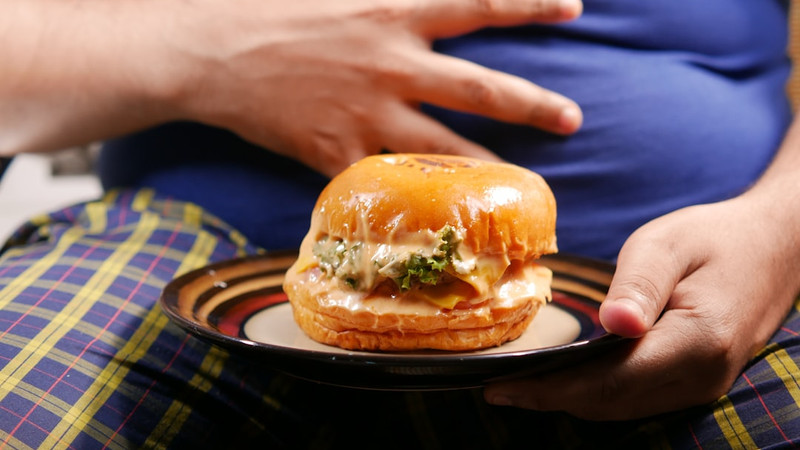
Some wellness advocates swear by it: eat a meal, then wait 3 to 4 hours before eating again so your digestion can “rest.” The idea sounds simple enough, and it has a loyal following. But experts don’t fully agree, because the science behind meal spacing is more nuanced than the slogan suggests.
At the center of the debate is a real digestive phenomenon called the migrating motor complex, a kind of internal housekeeping system that kicks in when you are not eating. It helps sweep leftover food and debris through the stomach and small intestine. That’s one reason some clinicians believe constant snacking may not be ideal for digestion. But that does not automatically prove that everyone needs exactly 3 to 4 hours between meals to digest food properly.
What the “meal rest” rule gets right
There is a legitimate reason some people feel better when they stop grazing all day. When you keep eating, the gut stays in a fed state. When you leave a gap between meals, the body can shift into a fasting pattern that supports motility and may help some people feel less bloated or heavy.
That is why many digestion-focused approaches recommend regular meals with time in between, instead of nonstop snacking. It is also why intermittent fasting has become so popular. For many people, eating within a narrower window seems to improve appetite control, energy, and sometimes digestive comfort.
Where the claim goes too far
The leap from “some spacing may help” to “your stomach needs 3 to 4 hours to replenish digestive enzymes” is where the argument gets shaky. The stomach does not need a timer to reset in the neat, rigid way social media often implies. Digestion is dynamic, and the right meal pattern depends on the person, the meal, and the medical context.
Experts also disagree because the evidence base is uneven. The digestive motility research is real, but most intermittent fasting studies look at weight, blood sugar, lipids, and inflammation — not whether a person feels best eating every 3 hours versus every 5. That leaves plenty of room for interpretation, advice, and internet folklore.
Why water with meals became part of the debate
Another popular claim is that drinking with meals “dilutes” stomach acid and harms digestion. Mainstream digestive guidance does not support that alarmist version. Water during meals is generally considered fine for healthy people, and it can actually help break food down and move it along.
That does not mean everyone should chug a giant drink with dinner if it makes them uncomfortable. But the idea that a glass of water ruins digestion lacks solid evidence. For most people, hydration is a plus, not a problem.
The real takeaway
The smartest middle ground is probably this: regular meals with reasonable spacing may help some people feel and function better, especially if they struggle with bloating or constant snacking. But there is no universal law that says everyone must follow a 3 to 4 hour rule for optimal digestion.
If you feel best eating three meals a day, that’s fine. If you do better with a small snack between meals, that's fine too. The best pattern is the one that supports your energy, comfort, and health—not the loudest wellness slogan on the internet.
Medical Disclaimer: This article is for informational purposes only and does not constitute medical advice. Consult a qualified healthcare provider before making any changes.
