

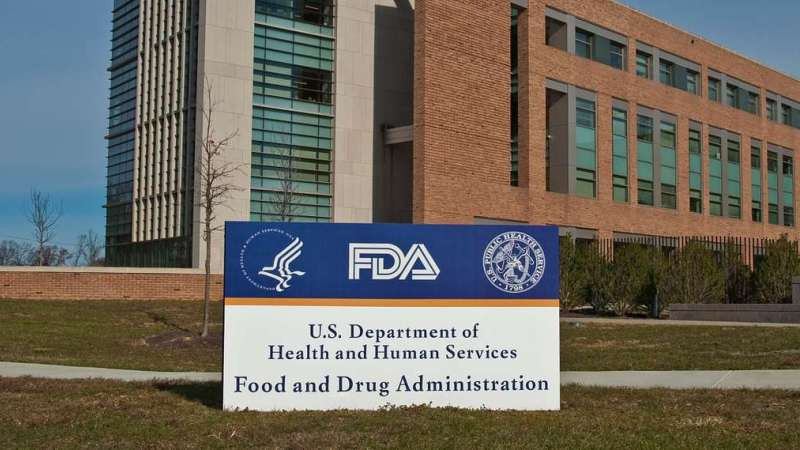
Zyn — the nicotine pouch that took over TikTok and racked up billions in U.S. sales — is now under the FDA microscope as regulators consider whether Philip Morris can market it as a lower-risk alternative for smokers.
The agency held a high-stakes public meeting this week, signaling it’s taking the request seriously. Early briefings suggest the FDA sees Zyn as less harmful than cigarettes, but outside advisors challenged the supporting research and questioned if new marketing would move adult smokers away from tobacco.
Why the FDA is even reviewing Zyn
Philip Morris wants permission to say Zyn reduces the risk of major smoking-linked diseases, including mouth and lung cancer, heart disease, and stroke. That type of “reduced-risk” statement is tightly regulated, and getting it approved would give the brand a major competitive edge across ads, social content, and promotions.
Zyn already cleared the FDA’s first hurdle in 2025, when the agency allowed it to remain on the market after concluding the pouches were less harmful than cigarettes. The current debate is about whether the company can take the next step and say so out loud in its marketing.
What the science actually shows
FDA scientists said the evidence supports that Zyn carries far lower health risks than smoking. The comparison has limits: long-term studies of Zyn users are lacking, and it’s unclear if risk-reduction messages motivate smokers to switch.
Still, the scientific math is straightforward. Combustible cigarettes are so harmful that almost any nicotine product without smoke, tar, or combustion sits dramatically lower on the risk scale.
Philip Morris also sells snus — an oral tobacco used widely in Sweden — where long-term data consistently link it with lower rates of smoking-related diseases. That track record feeds into the company’s argument, though U.S. adoption of snus has historically been tiny.
The youth-use red flag
The FDA must also weigh potential fallout among teens and nonsmokers. Public-health groups flagged the same problem again and again: Zyn is flavored, discreet, and heavily visible on social platforms. Viral videos from young “Zynfluencers” have drawn tens of millions of views, sparking concerns that new marketing claims might boost youth experimentation.
Anti-tobacco advocates also pointed to the company’s rewards program, which lets users turn pouch purchases into electronics, apparel, and gift cards — a system critics say appeals to young buyers.
Even so, nicotine-pouch use among high-school students remains relatively low at around 2.4% in federal surveys.
How popular is Zyn, really?
Less than 1% of U.S. adults use nicotine pouches — but the market is exploding. Within that surge, Zyn is the undisputed heavyweight, pulling in more than $3.2 billion last year and controlling well over two-thirds of the entire category.
An FDA sign-off would supercharge that momentum.
What happens next
The FDA isn’t required to follow its advisory panel’s recommendations and has no set deadline for issuing a ruling. But one thing is clear: whatever the agency decides will shape the future of America’s fastest-growing nicotine product.

