

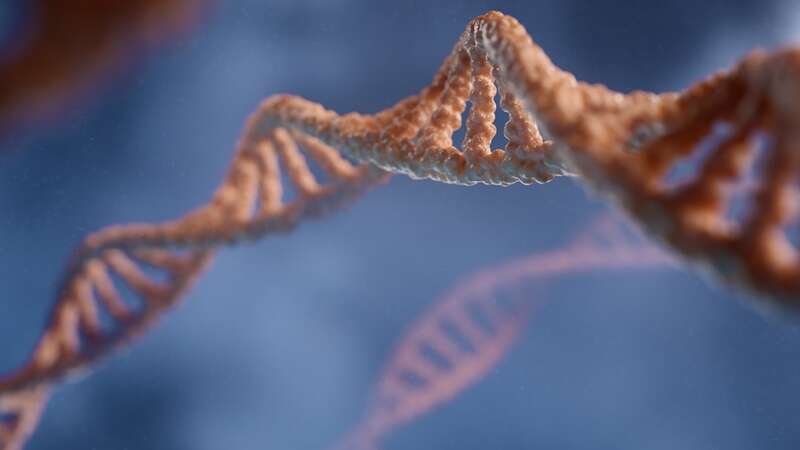
Scientists say "one-size-fits-all" diets are dead — and your genes hold the secret to perfect health
Forget everything you thought you knew about healthy eating. Your DNA might want you to eat the exact opposite of what works for your neighbor — and cutting-edge science is finally proving it.
A revolutionary wave of research is upending nutrition guidelines that have dominated for decades, revealing that your body's response to food is as unique as your fingerprint. Thanks to breakthroughs in genomics, gut bacteria analysis, and artificial intelligence, scientists are now tailoring diets to individual biology with unprecedented precision.
"We're moving from a one-size-fits-all approach to nutrition that's personalized at the molecular level," says research from the 2025 Precision Nutrition Forum at Harvard. The implications? The Mediterranean diet your doctor recommended might actually spike your blood sugar, while your coworker thrives on it. That "healthy" banana could send one person's glucose soaring while barely affecting another.
Your Genes Are Calling the Shots
The field of nutrigenomics — studying how food interacts with your genes — has exploded in 2025, with researchers identifying specific genetic variants that determine how your body processes everything from carbohydrates to fats.
Take the FADS2 gene, which controls how your body handles fatty acids. A landmark study found that people carrying specific variants of this gene respond dramatically differently to the same diet. Those with one variant saw their triglycerides drop on a Mediterranean-style diet, while others with a different variant needed an entirely different approach to see the same benefits.
Even more striking: scientists have identified DNA methylation patterns — chemical tags on your genes that can change based on what you eat — that act as "signatures" of diet quality. In groundbreaking research, specific sites on genes like SOCS3, CPT1A, and FADS2 showed consistent methylation changes linked to dietary patterns, connecting what you eat today to your disease risk tomorrow.
The Gut Bacteria Factor
Your microbiome — the trillions of bacteria living in your gut — plays a starring role in this personalized nutrition revolution. Studies show these microbes determine up to 20% of the variation in how people respond to identical meals.
The ratio of two bacterial groups, Prevotella to Bacteroides, can predict whether high-fiber foods will benefit you or leave you bloated and uncomfortable. Some people's gut bacteria thrive on fiber, producing beneficial compounds called short-chain fatty acids that fight inflammation and improve metabolism. Others lack the right bacterial "machinery" and see minimal benefits.
"No two individuals shared the same dietary predictors" of blood sugar spikes, according to a 2025 study tracking 67 adults with type 2 diabetes. The findings suggest that personalized interventions based on individual microbiome profiles could revolutionize disease management.
AI Predicts Your Perfect Meal
Artificial intelligence has become the secret weapon in decoding these complex interactions. Machine learning models — particularly Random Forest and Gradient Boosting algorithms — are now achieving over 90% accuracy in predicting individual responses to foods.
Companies like ZOE and DayTwo are already commercializing this technology. ZOE's PREDICT studies, involving over 45,000 participants, use continuous glucose monitors alongside gut microbiome sequencing and blood lipid profiling to generate personalized food scores. The results have been published in top-tier journals like Nature Medicine, demonstrating that personalized dietary programs significantly outperform standard nutritional advice.
In a randomized clinical trial, ZOE's personalized approach reduced blood triglycerides and improved multiple cardiometabolic markers compared to USDA dietary guidelines. DayTwo, focusing specifically on glucose control for people with diabetes and prediabetes, has shown similar success using AI-driven meal planning based on microbiome data.
Wearables Are Game-Changers
Continuous glucose monitors (CGMs) — once reserved for diabetics — are now being used by healthy people seeking to optimize their diets. These devices, worn on the arm, measure blood sugar every five minutes, revealing in real-time how your body responds to specific foods.
A 2024 study found that people with prediabetes who could see their CGM data in real-time lost more than double the weight of those who wore the device but couldn't see the results. The visual feedback created powerful behavior change: participants could literally watch their blood sugar spike after eating certain foods and learned to avoid them.
Research from Stanford and King's College London found that CGM data, when combined with other factors like sleep, activity, and meal timing, could predict individual glycemic responses with remarkable accuracy. One person's blood sugar might skyrocket after eating rice but stay stable after pasta, while another person shows the exact opposite pattern.
Your Diet Can Turn Back Your Biological Clock
Perhaps the most stunning finding is that the proper diet can actually reverse your biological age at the cellular level.
In a 2025 study, researchers found that consuming specific foods rich in polyphenols — including green tea, turmeric, berries, and garlic — was associated with reduced "epigenetic age," a measure of biological aging based on DNA methylation patterns. Participants who consumed these "methyl adaptogens" showed epigenetic age reductions of over three years in just eight weeks.
The Mediterranean diet has shown similar effects, with adherence linked to beneficial methylation changes in inflammation-related genes. Foods high in antioxidants, omega-3 fatty acids, and fiber appear to leave protective molecular signatures on your DNA.
The Dark Side: Privacy, Cost, and Access
But this brave new world of personalized nutrition comes with serious concerns. Genetic testing companies have faced scrutiny over data privacy, with consumers' DNA information potentially vulnerable to breaches or misuse. The FDA has limited oversight of nutrigenomics services, and experts warn that some companies make exaggerated claims unsupported by science.
Cost is another barrier. Precision nutrition programs can run $1,000-$1,500 or more, making them inaccessible to many. The ZOE program, for instance, costs around $400 for the initial test kit plus monthly membership fees. Critics argue this creates a "nutrition divide" where only the wealthy can afford truly personalized care.
Regulatory frameworks are struggling to keep pace. A 2025 NIH workshop concluded that personalized nutrition programs need clearer oversight regarding safety, accuracy, scientific substantiation, and privacy protection. Some countries have banned direct-to-consumer genetic testing entirely due to ethical concerns.
What's Next?
The National Institutes of Health has launched major initiatives to advance precision nutrition research, including the "Nutrition for Precision Health" study involving thousands of participants.
Scientists are developing increasingly sophisticated AI models that integrate genomics, metabolomics, microbiome data, and real-time physiological monitoring to create truly individualized dietary recommendations.
Researchers are even working on "precision probiotics" — customized bacterial supplements tailored to an individual's unique gut microbiome composition. The goal is to optimize your microbiome and maximize the benefits of your personalized diet.
While challenges remain, one thing is clear: the era of generic dietary advice is ending. Your genes, your gut bacteria, and your metabolic responses are unique — and your diet should be too.
MEDICAL DISCLAIMER
This article is for informational and educational purposes only and does not constitute medical advice. The information presented herein is based on peer-reviewed scientific research but should not be used as a substitute for professional medical advice, diagnosis, or treatment.

