
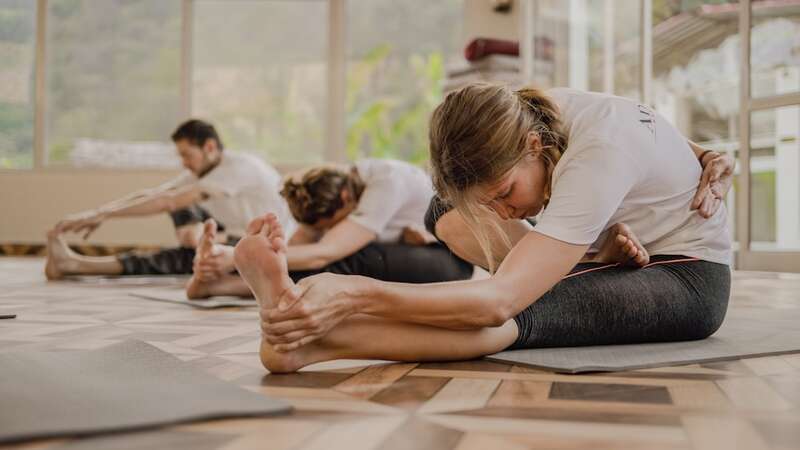
We’ve all seen the latest wellness buzz: a few stretches, a deep breath, and a healthier life. However, the science behind yoga’s purported cardiovascular benefits is far from clear. A recent synthesis of ten clinical trials offers a sobering view: yoga may not be the heart‑health hero many think it is.
The Bottom Line
The research team, based out of the University of Sharjah and India’s Manipal Academy, evaluated how yoga and other exercises influence vascular function—the ability of arteries to expand, contract, and transport blood. They found:
Mixed results for yoga – Some middle‑aged adults showed improved blood flow after eight weeks of heated yoga, yet their arterial stiffness didn’t change. In younger participants, no benefits were observed. The disparity likely stems from baseline vascular health: older adults typically have stiffer arteries, so there’s more room for improvement; younger adults already have relatively healthy vessels, leaving little room for yoga to make a dent.
Heat is not a magic bullet – Practicing in a 105‑degree room, standard in Bikram yoga, did not boost heart‑health markers over normal‑temperature classes.
Other mind‑body arts shine – Tai Chi and Pilates, both exercises that pair rhythmic movement with focused breathing, consistently enhance endothelial function (the inner lining of arteries that regulates blood flow). These benefits were more reliable than those seen with yoga.
High‑intensity interval training (HIIT) takes the crown – Short bursts of hard effort followed by brief rest sessions were the most effective at reducing arterial stiffness, especially in cooler environments.
“Micro‑breaks” help, but only modestly – Taking a quick walk or climbing a few flights of stairs during a prolonged sitting period improves circulation. Yet, the gains are far smaller compared to structured, sustained exercise.
Practical Take‑aways
If you’re serious about protecting your heart, don’t rely solely on gentle stretching. Combine:
Mind‑body moves: Tai Chi or Pilates for steady, low‑impact improvement of vascular lining.
Intense bursts: HIIT sessions 2–3 times per week to reduce arterial stiffness.
Movement habits: Engage in frequent short walks or stair climbs to keep blood flowing during periods of sedentary activity.
Sitting, like smoking, quietly erodes arterial health. Think of movement as the only medicine you genuinely need.
Medical Disclaimer
The information provided in this article is for educational purposes only and is not a substitute for professional medical advice, diagnosis, or treatment. Always consult a qualified healthcare practitioner before starting or modifying any exercise regimen.

