

What Junk Food Is Doing to Your Mood — And How to Fight Back
Emerging research suggests the foods most people reach for when they're stressed may actually be making their mood worse.
You already know ultra-processed foods aren't great for your waistline. But a growing body of research is pointing to something that may surprise you: those same foods could be quietly working against your mental health, too. Here's what the science says — and what you can do about it.
First, What Counts as Ultra-Processed?
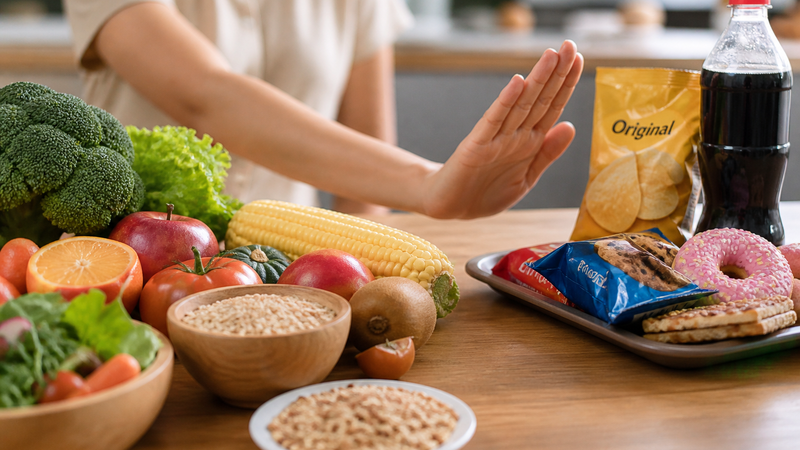
Ultra-processed foods go far beyond basic cooking. Think packaged chips, fast food, flavored breakfast cereals, frozen meals, soft drinks, and most commercially baked goods — anything loaded with additives, artificial flavors, preservatives, and refined ingredients you wouldn't find in a home kitchen.
According to the NOVA food classification system, developed by researchers at the University of São Paulo, ultra-processed foods are designed for maximum palatability, not nutrition. They now make up a significant share of the average American diet.
What the Research Is Finding
A large 2023 review published in the journal Nutritional Neuroscience analyzed dozens of observational studies and found a consistent association between high ultra-processed food consumption and a greater risk of depression, anxiety, and psychological distress. The researchers concluded the link was present across multiple countries and age groups.
A separate study published in JAMA Network Open followed more than 31,000 middle-aged and older women and found that those who ate the most ultra-processed foods had a meaningfully higher risk of reporting symptoms of depression compared to those who ate the least.
It is important to note that most of this research is observational, meaning it shows a link — not proof that ultra-processed food directly causes mood problems. People who are already depressed may also reach for comfort food more often, which makes it hard to untangle cause and effect. Larger, longer clinical trials are still needed.
Why Might These Foods Affect the Brain?
Researchers have proposed several biological pathways that may help explain the connection, though the science is still developing.
- Gut-brain axis: Ultra-processed foods tend to be low in fiber and high in additives that may disrupt the gut microbiome — the community of bacteria living in your digestive tract. A growing body of science links gut health to brain function and mood regulation.
- Inflammation: Diets high in refined sugars and unhealthy fats are associated with higher levels of inflammation in the body. Chronic low-grade inflammation has been linked to depression in multiple studies.
- Blood sugar swings: Highly processed carbohydrates cause rapid spikes and crashes in blood sugar, which can affect energy, concentration, and mood stability throughout the day.
- Nutrient gaps: Ultra-processed foods often crowd out whole foods that supply key nutrients — like magnesium, B vitamins, and omega-3 fatty acids — that play a role in brain health.
What Cutting Back Might Do
A landmark clinical trial called the SMILES trial, published in BMC Medicine, found that adults with moderate-to-severe depression who shifted to a Mediterranean-style diet — rich in vegetables, legumes, whole grains, fish, and olive oil — showed significantly greater improvements in depressive symptoms compared to a control group that received social support instead. The trial was small, with 67 participants, but it was one of the first randomized controlled trials to test diet as a treatment for depression directly.
The results were promising enough that the field of nutritional psychiatry has expanded rapidly since then. Researchers caution that diet is not a replacement for professional mental health care, but it may be a meaningful complement to it.
Practical Steps Worth Trying
You don't have to overhaul your entire diet overnight. Small, consistent shifts are more sustainable — and more likely to stick.
- Swap one ultra-processed snack a day for a whole food alternative: a handful of nuts, a piece of fruit, or plain yogurt with berries.
- Add more fiber-rich foods like vegetables, beans, and whole grains to support gut health.
- Read ingredient labels. If the list is long and full of words you don't recognize, that's a signal to choose something simpler.
- Cook at home more often, even simple meals. Home-cooked food is almost always less processed than packaged options.
- If you're struggling with mood, anxiety, or depression, talk to your doctor. Diet changes are worth exploring, but they work best as part of a broader care plan.
The Bottom Line
The research isn't settled, and no single food change is a cure for depression or anxiety. But the emerging evidence suggests that a diet heavy in ultra-processed foods may not just harm your body — it may be working against your mental health, too. Cutting back on processed foods and replacing them with whole, nutrient-rich options is one of the lowest-risk, highest-reward moves you can make for your brain. Talk to your doctor if mood has been a persistent concern, and consider asking whether your diet might be part of the conversation.
