

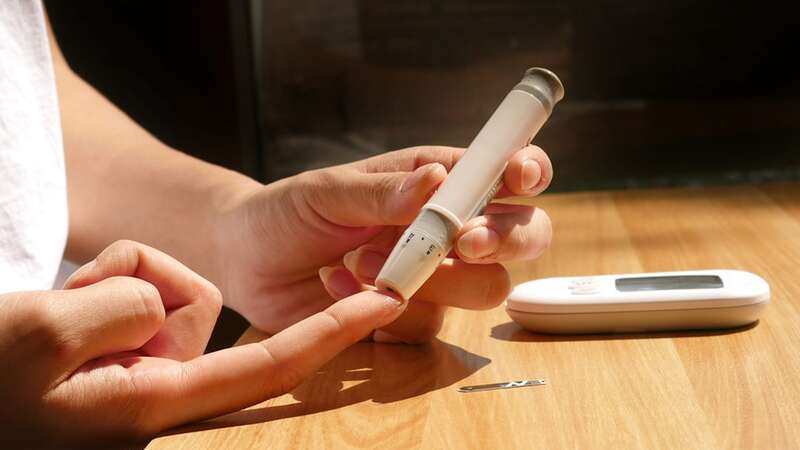
It’s estimated that 38.4 million Americans live with diabetes, according to the U.S. Centers for Disease Control & Prevention.
Diabetes is a major risk factor for heart disease, kidney disease and other severe health conditions. And according to recent research, it’s possible that as many as 44% of people in the U.S. above the age of 15 may have undiagnosed diabetes.
There have been incredible advances in treatments to manage diabetes, and identifying the condition in its early stages can vastly lower your risk for serious complications. Here are the signs and symptoms experts need you to know.
Diabetes comes about when the blood sugar in your body is too high, according to the National Institute of Diabetes and Digestive and Kidney Diseases.
Our bodies need glucose – which you can get from eating healthy, carbohydrate-rich foods like starchy vegetables, whole grains and legumes – for essential fuel. When the endocrine system is functioning properly, the pancreas releases insulin hormone to help manage glucose levels. But if your body becomes insulin resistant, or you’re producing too little of the hormone, glucose can accumulate in the blood, leading to high blood sugar (hyperglycemia), per Cleveland Clinic.
There are a few different types of diabetes, but type 2 is by far the most common, accounting for 90% to 95% of all diabetes diagnoses in the U.S., according to NIDDK. It occurs when your body becomes resistant to insulin. The condition most often presents in adults, but the proportion of adolescents being diagnosed with type 2 diabetes is rapidly increasing, says Dr. Joseph A. Aloi, MD, a professor of medicine at Wake Forest University.

