

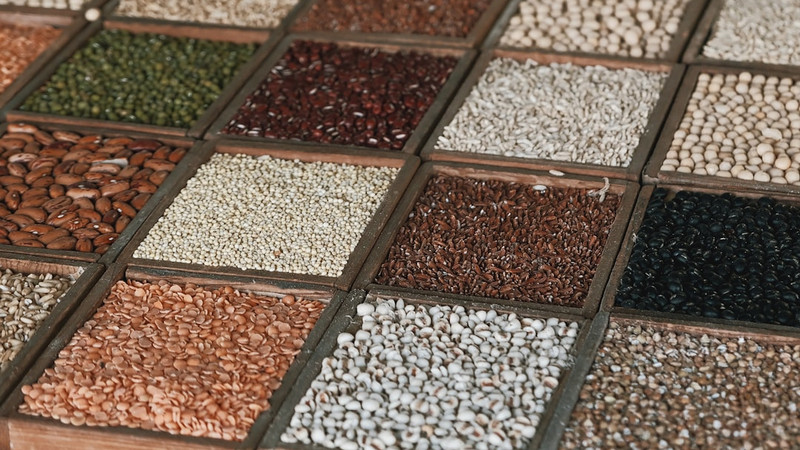
Not only is February the month of love, but it is also National Heart Health Month! Considering the high prevalence of heart disease in the United States, it is important to consider the many factors that play a role in our heart health, with diet being an impactful contributor.
Maintaining an active lifestyle and a healthy dietary pattern can help reduce the risk of heart disease by improving biomarkers such as cholesterol, blood pressure, and blood sugar. While many dietary choices impact heart health, this article will focus on the nutritional benefits of a frequently overlooked food group: pulses.
A Background on Pulses
Pulses are the edible seeds of legumes that grow in pods and come in a wide variety of colors, shapes, and sizes. The most common types of pulses in the US are beans, lentils, chickpeas (also known as garbanzo beans), and dry peas. One interesting distinction between pulses and legumes is that all pulses are legumes, while not all legumes are pulses. Legume refers to the entire plant, including the leaves, stem, and pods, while pulse refers to only the dried seed.
The history of the growth and consumption of pulses can be traced back to more than 11,000 years ago in the Fertile Crescent region of the Middle East. Pulses have long been a nutrient-dense staple in many cultures, and fortunately, they remain a widely accessible and nutritious option thanks to their low cost and long shelf life.
Read Full Article Here

