

Sweeteners spark debate: nutritionist Suman Agarwal clarifies options beyond sugar. While jaggery and honey offer some benefits, they aren't calorie-free. Dates are a good choice in moderation. Zero-calorie stevia and monk fruit are safer alternatives to artificial sweeteners. Ultimately, limiting all added sugars, even healthier ones, is key for long-term health, according to WHO guidelines and studies.
Is jaggery better than sugar? How about honey? And monk fruit, the sweetener everyone is talking about? You’re not really living in 2025 if you haven’t found yourself in the middle of a heated debate about sweeteners. From sugar to jaggery, honey, dates, low-GI sugar, and now trending zero-calorie options like stevia and monk fruit, there are plenty of options in the market. Which sweetener is better and healthier for you, beyond all these flashy labels and clever marketing? Suman Agarwal, a renowned Oxford-certified nutritionist and qualified fitness expert, who has worked with some of the biggest celebrities in India, explains about different types of sweeteners and which are healthy. Let’s dive in.
Sugar
Sugar is one of the most consumed sweeteners across the globe. From everyday beverages in households to packaged foods, this sweetener is quite common. But it is highly processed and has a glycemic index of 65 to 70, according to the nutritionist. 100 g of sugar contains around 390 calories. “Zero nutrition, all spike,” Agarwal says in a video shared on Facebook.
Jaggery
Most people swap sugar with jaggery, thinking the latter is a healthier choice. But is it really? The nutritionist agrees that jaggery is “less processed, has traces of iron, and is high in potassium.” But that does not really mean you consume it in excess. Why? “The glycemic index of jaggery is 60 to 84, which means it could be higher than sugar,” she said. If you look at the calories, it is not much lower, either. 100 g of jaggery has 380 calories.
Honey
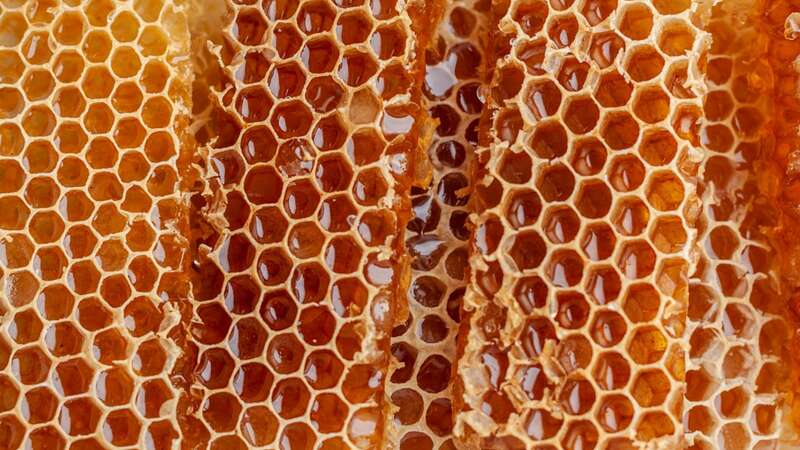
Honey is the ‘least processed’ sweetener according to the nutritionist. She confirms that honey has high antioxidants and is “very good for your gut.” The GI index of honey is 45 to 69. 100 g of honey has around 240 to 330 calories.
Dates
Health-conscious individuals often turn to dates for a sweet treat. This fruit contains natural sugars like fructose and glucose. It is also a whole food, so lots of fiber and minerals. The nutritionist notes that dates are also rich in iron. The GI index of dates is 40 to 55, and the calorific value is 314 per 100 grams. “Make sure you're not having more than two dates on a daily basis,” Agarwal reminds.

