

Psychedelic drugs may feel wildly different to the people taking them, but inside the brain, they appear to do something strikingly similar.
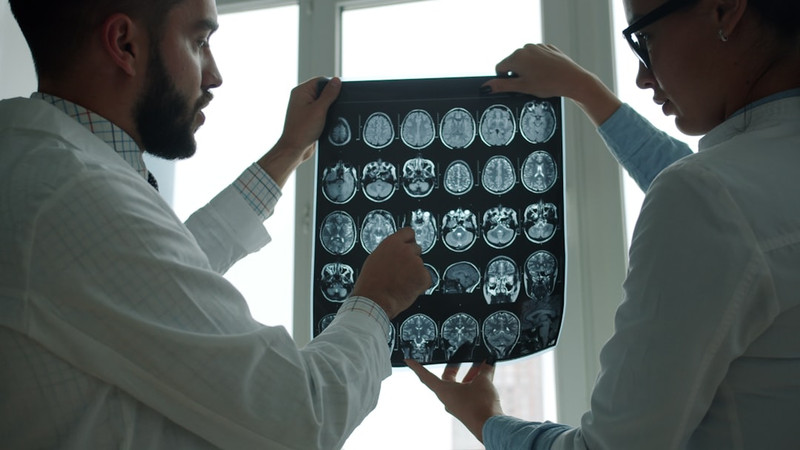
Researchers analyzing more than 500 brain scans have identified a consistent pattern tied to drugs like LSD, psilocybin, DMT, mescaline, and ayahuasca.
All of them appear to disrupt how the brain normally organizes itself.
Under typical conditions, the brain operates with a clear structure. Higher-level regions manage planning and decision-making, while lower-level systems handle sensory inputs such as sight and sound. The study shows that psychedelics loosen that structure, allowing different regions to communicate more freely than they normally would.
Brain systems that usually stay separate begin interacting in real time.
That shift helps explain why people report such intense changes in perception, emotion, and sense of self during psychedelic experiences. Thought and sensation start to blend in ways that don’t occur under normal conditions.
The effect extends deeper.
Researchers also observed changes in brain regions linked to habits, learning, and movement, suggesting these drugs influence both conscious awareness and more automatic functions.
At the same time, the findings challenge a common assumption.
The brain doesn’t break down under psychedelics—it reorganizes.
Earlier theories suggested that certain brain networks collapse during these experiences. This analysis found little consistent evidence of that. Instead, the brain becomes more connected, but less structured.
That distinction matters as interest in psychedelic therapy continues to grow.
Researchers are studying these compounds as potential treatments for depression, PTSD, and other serious mental health conditions. Understanding how they change brain activity is essential before they can move into broader clinical use.
This study doesn’t answer every question, but it does clarify one important point.
Psychedelics don’t create random chaos in the brain—they follow a repeatable pattern.
That pattern may ultimately explain both their therapeutic potential and their risks.
Medical Disclaimer: This article is for informational purposes only and does not constitute medical advice. Consult a qualified healthcare provider before making any changes.

