

Light therapy can be a simple, drug-free way to support mood, daytime energy, sleep quality, and overall well-being. For many people, it works best when used as part of a bigger daily routine that may also include healthy sleep habits, stress management, and targeted nutritional support.
Why light matters
Light is one of the strongest signals for your body’s internal clock. That clock helps regulate when you feel awake, when you feel sleepy, and how steady your mood and energy feel throughout the day. When you get bright light at the right time, especially in the morning, it helps your brain recognize that the day has started.
This matters because many people spend most of their lives indoors. Even when they are busy and productive, they may not be getting the kind of consistent early daylight exposure that helps support a healthy rhythm. Over time, that can contribute to sluggish mornings, low energy, off-schedule sleep, and, in some people, a lower or less stable mood.
How light therapy may help
Light therapy is best known for helping with seasonal mood changes, but that is not its only use. It may also help support people who struggle with low daytime energy, inconsistent sleep timing, difficulty waking up, or a general sense that their body clock feels off.
When used properly, light therapy may help support:
- Better morning alertness.
- More stable daytime energy.
- Improved mood support, especially when low light exposure is part of the problem.
- A healthier sleep-wake rhythm.
- Better overall well-being when combined with other healthy habits.
Many people do best with light therapy in the morning, often while they are reading, working, planning the day, or eating breakfast. The goal is not to stare into the light. The goal is to give the brain and body a clear daytime signal consistently.
It is not just for winter
Many people think light therapy is only useful in the fall and winter, but it can also be helpful in the spring and summer. Longer days do not automatically mean a person is getting enough early daylight at the right time. Modern life often keeps people indoors, under artificial lighting, on screens, in offices, in cars, or on shifting schedules.
In the spring, changing sunrise times and changing routines can throw people off more than they realize. In the summer, people may avoid outdoor heat, stay inside for work, or still miss the structured morning light exposure that helps anchor the body clock. A brief morning light session can help reinforce that rhythm, which may support mood, energy, and sleep even during the brighter months.
Choosing the right option
Different people have different needs, and often a combination of options works better than relying on just one tool. Some people want a more premium experience, better build quality, or a device already trusted by someone they know. Others want a more budget-friendly way to get started and see whether consistent light therapy fits their routine.
For readers who want a highly rated option, Dr. Keith Ablow uses the Beacon. For readers who want a more budget-friendly choice, this light therapy option may be a practical way to begin. The most important thing is to choose a product that fits your life and that you will actually use consistently.
In general, a good light therapy product should clearly explain how it is meant to be used, how close it should be placed, and what kind of light exposure it provides. Readers should always review the current product details and instructions on the product page before purchasing or using any device.
Why one size does not fit all
Some people mainly need help with seasonal mood shifts. Others are trying to improve sleep timing, boost daytime alertness, or feel less mentally drained. Some are dealing with all of those things at once.
That is why light therapy is often most helpful when it is personalized. One person may do very well with a simple morning light routine. Another may benefit more from combining light therapy with mood support during the day and sleep support at night.
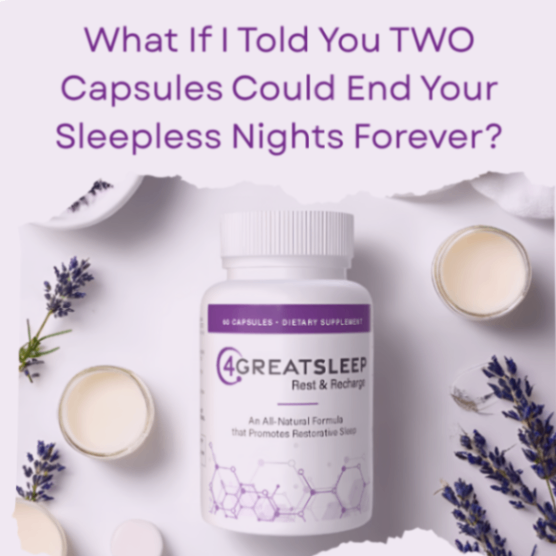
Pairing light therapy with 4BetterMood and 4GreatSleep
For some people, light therapy may work well on its own. For others, it may be most helpful when paired with 4BetterMood and or 4GreatSleep, depending on what they are experiencing.
Someone dealing with low mood, reduced motivation, emotional strain, or flat daytime energy may want to consider light therapy along with 4BetterMood. Someone who feels tired but wired at night, struggles to settle down, or wakes up feeling unrested may benefit from pairing light therapy with 4GreatSleep. And some people may find they need both, because mood, energy, and sleep are closely connected.
This kind of layered approach often makes sense in real life. A person may need help feeling more alert and emotionally steady during the day, while also needing support for deeper rest at night. When the routine is matched to the individual, the benefits are often more meaningful and more sustainable.
Practical expectations
Light therapy does not need to be complicated. What matters most is consistency. When it becomes part of a steady morning pattern, it is more likely to support the body’s natural rhythm and become a realistic part of everyday life.
It is also important to use light therapy thoughtfully. People with eye conditions, unusual sensitivity to light, bipolar disorder, or medications that affect light sensitivity should talk with a qualified healthcare professional before starting. If a person notices headaches, eye strain, agitation, or worse sleep, the timing, intensity, or product may need to be adjusted.
Used the right way, light therapy can be a meaningful tool for supporting a brighter mood, steadier energy, better sleep, and stronger overall well-being all year long. And because people have different needs, many may do best with a combination that includes the right light therapy product plus 4BetterMood and/or 4GreatSleep.
FTC Disclosure: Keith Ablow, MD, and Kathryn Munoz, PhD, MPH, may benefit from some purchases made through links in this article.
Medical Disclaimer: This article is for educational purposes only and is not medical advice. People with significant mood symptoms, sleep disorders, bipolar disorder, eye conditions, or medication-related light sensitivity should consult a qualified healthcare professional before starting light therapy or any supplement routine.
Product Disclaimer: 4GreatSleep is not intended to diagnose, treat, cure, or prevent any disease and is not intended for insomnia, which requires a physician diagnosis and treatment.

