

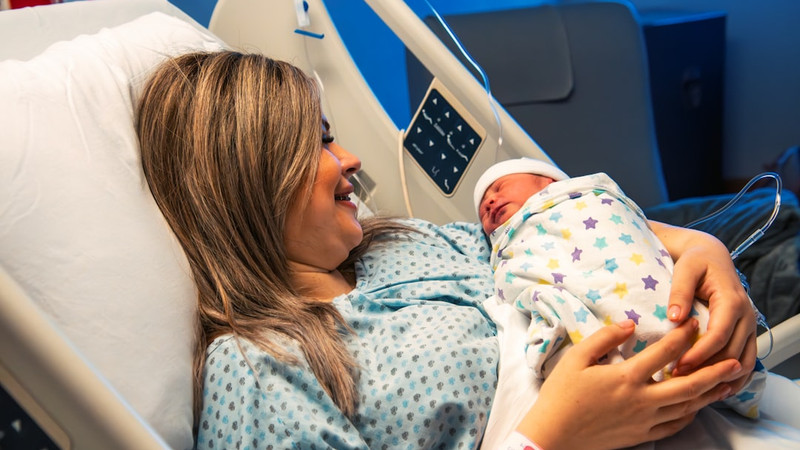
A woman’s sense of mental well-being is the strongest predictor of how fearful she is about childbirth, according to a study published online July 4 in the Journal of Psychosomatic Obstetrics & Gynecology.
Katrina E. Forbes-McKay, Ph.D., from the School of Law and Social Science at Robert Gordon University in Aberdeen, Scotland, and colleagues conducted a cross-sectional study to explore the relationship of positive mental well-being and childbirth self-efficacy with fear of childbirth during pregnancy using a Salutogenic lens. The analysis included survey results from 88 pregnant women in their third trimester.
The researchers found that 12 percent of respondents showed a severe fear of childbirth. There was a negative correlation between fear of childbirth and mental well-being, childbirth self-efficacy expectancy, and self-efficacy outcome. Higher mental well-being (β = −0.39) was the strongest predictor of lower fear of childbirth. Childbirth self-efficacy expectancy also contributed significantly (β = 0.28).

